
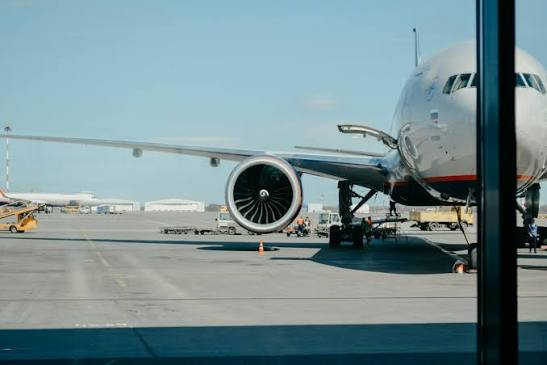
Aircraft maintenance facilities operate under demanding conditions. These spaces must accommodate aircraft, heavy equipment, maintenance crews, tools, chemicals, and constant movement while maintaining a clean and professional environment. Because of this, the coatings used throughout an aviation facility need to do more than improve appearance. They must withstand frequent traffic, resist wear, and support the operational requirements of a high-use workspace.
Aircraft maintenance facility painting requires careful planning and the right combination of surface preparation, coating systems, and application techniques. From hangar floors and walls to maintenance bays and support areas, selecting appropriate coatings can help create a safer, more durable, and easier-to-maintain facility.
Why Aircraft Maintenance Facilities Require Specialized Coatings
Aircraft maintenance environments experience significantly more wear than many conventional commercial buildings. Aircraft, service vehicles, lifts, carts, and other equipment move through these spaces regularly, exposing surfaces to impact, abrasion, and repeated traffic.
At the same time, maintenance operations may involve exposure to oils, fuels, hydraulic fluids, solvents, cleaning agents, and other substances. Standard architectural paint may not provide the durability or chemical resistance required in these conditions.
Professional aircraft maintenance facility painting focuses on choosing coatings based on the specific demands of each area. A maintenance bay, for example, may require a different coating system than an administrative office or employee break room.
Choosing Coatings for High-Traffic Areas
Durable Wall Coatings
Walls in aircraft maintenance facilities can experience frequent contact with equipment, tools, carts, and personnel. A durable industrial coating can help protect these surfaces from scuffs, stains, and everyday wear.
Coatings with good adhesion and resistance to abrasion can also make walls easier to clean. This is particularly valuable in areas where maintaining a clean working environment is an operational priority.
High-Performance Floor Coatings
Floor surfaces often experience some of the heaviest use inside an aviation facility. Aircraft maintenance equipment, vehicles, rolling tool cabinets, and foot traffic can quickly wear down unsuitable flooring systems.
Depending on the facility’s requirements, industrial floor coating systems such as epoxy or other high-performance options may provide greater resistance to abrasion, impacts, chemicals, and heavy traffic. Proper preparation is especially important because even a high-quality coating can fail prematurely when applied over a poorly prepared surface.
Surface Preparation Is Critical
One of the most important aspects of aircraft maintenance facility painting is preparing the existing surfaces before applying new coatings. Dust, grease, oil, loose paint, corrosion, moisture, and other contaminants can interfere with adhesion.
Cleaning and Contaminant Removal
Maintenance facilities can accumulate substantial amounts of industrial residue over time. Surfaces may need thorough cleaning and degreasing before coating begins. Depending on the substrate and existing condition, additional preparation may also be necessary.
Repairing Damaged Surfaces
Cracks, holes, peeling coatings, corrosion, and other surface defects should be addressed before painting. Applying a new coating over damaged areas can leave an uneven appearance and may compromise the performance of the finished system.
Proper preparation creates a more stable foundation for the coating and helps ensure that the finished surface performs as intended.
Coatings That Support Easier Maintenance
Aviation maintenance facilities need to remain functional and orderly despite constant activity. Coatings that are resistant to staining and easy to clean can make ongoing maintenance more manageable.
Smooth, properly selected coating systems can help reduce the amount of residue that becomes embedded in surfaces. This can be particularly beneficial in maintenance bays where oil, grease, dust, and other contaminants may accumulate.
For aircraft maintenance facility painting, coating selection should therefore consider not only initial durability but also long-term maintenance requirements. A coating that can be cleaned efficiently may help reduce maintenance time and keep work areas looking professional.
Improving Visibility and Organization
Paint can also play an important role in facility organization. Strategic use of colors and markings can help visually define different areas within a large maintenance environment.
Defining Work Zones
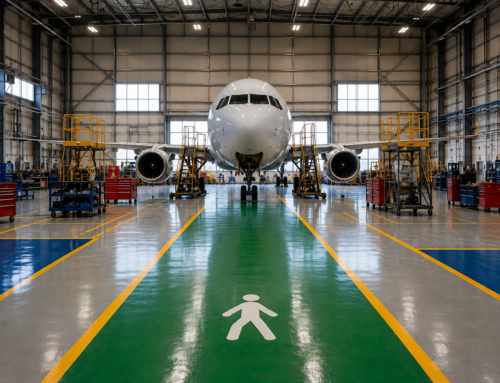
Different colors can be used to distinguish maintenance zones, walkways, equipment areas, storage spaces, and other operational sections. Clearly defined spaces can make large facilities easier to navigate while creating a more organized appearance.
Maintaining Clear Floor Markings
Floor markings can help identify designated pathways and operational areas. Because these markings may be exposed to constant traffic, the products used for them should be selected with durability and visibility in mind.
Professional aircraft maintenance facility painting can incorporate these visual considerations into the overall coating plan rather than treating them as an afterthought.
Selecting Coatings Based on Facility Conditions
There is no single coating system that works for every aircraft maintenance facility. The appropriate solution depends on the substrate, existing coating, traffic levels, environmental conditions, and substances present in each area.
A professional assessment can help determine which surfaces require heavy-duty protection and which can use more conventional commercial coatings. This approach allows the project to address the specific demands of hangars, maintenance bays, storage areas, offices, and other spaces without applying the same system everywhere.
Minimizing Disruption During Painting
Aircraft maintenance facilities often operate according to demanding schedules, making downtime a significant consideration. Painting projects need to be planned around ongoing operations whenever possible.
A professional aircraft maintenance facility painting project should account for access requirements, work schedules, curing times, ventilation, equipment movement, and other operational considerations. Careful scheduling can help reduce unnecessary disruption while allowing the coating system adequate time to cure properly.
Phased work may also be considered when an entire facility cannot be taken out of service at once. Dividing the project into manageable areas can allow operations to continue while improvements are completed.
Long-Term Value of Professional Aircraft Facility Painting
The right coating system can provide more than an immediate visual improvement. Durable coatings can help protect surfaces from everyday wear, simplify cleaning, and maintain a professional appearance in demanding aviation environments.
Because aircraft maintenance facilities represent significant operational investments, coating decisions should be approached with long-term performance in mind. Professional aircraft maintenance facility painting combines appropriate product selection with thorough preparation and experienced application to help facilities achieve results that hold up under demanding conditions.
Create a More Durable Aviation Maintenance Environment with Socium Coatings
Aircraft maintenance facilities need coating solutions that can stand up to heavy use, frequent cleaning, equipment movement, and demanding operating conditions. Socium Coatings provides professional coating solutions designed to help protect high-use aviation environments while maintaining a clean, durable, and professional appearance.
When it is time to upgrade or protect an aviation facility, turn to Socium Coatings for aircraft maintenance facility painting solutions tailored to the demands of the environment. Contact Socium Coatings today to discuss your facility’s coating needs and discover the right solution for long-lasting performance and protection.




Leave A Comment