
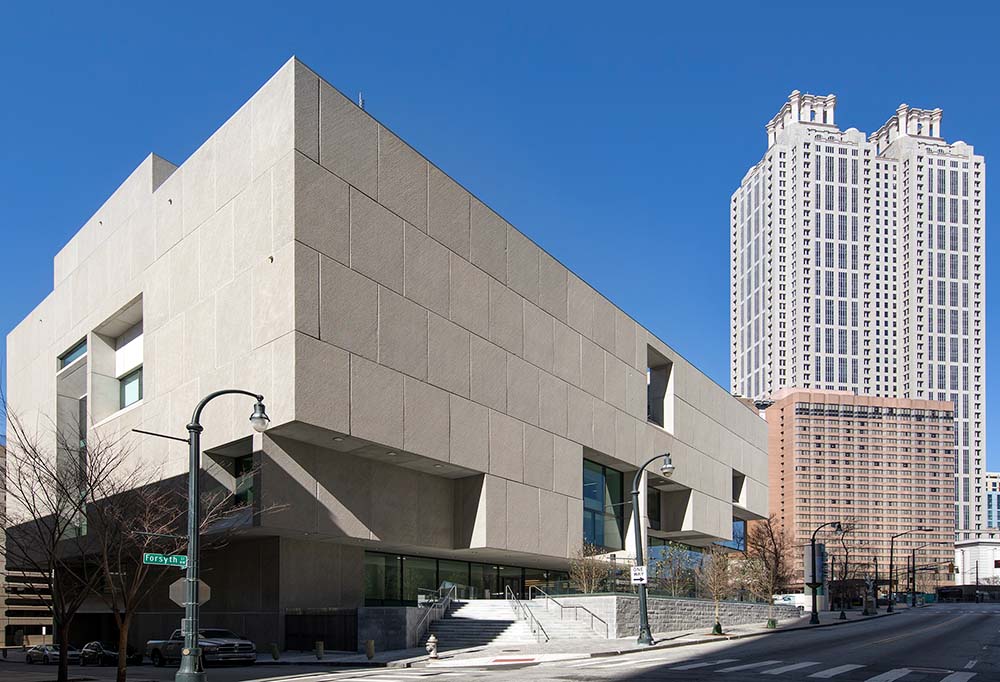
Federal painting projects may appear similar to commercial painting projects on the surface, but the planning, coordination, and execution can involve very different requirements. Government facilities operate under specific procurement processes, security protocols, documentation requirements, and operational constraints that contractors must understand before work begins.
For general contractors, facility managers, and procurement teams, understanding these differences is essential when selecting a painting contractor and planning work across federal properties. From coordinating access to occupied buildings to managing project schedules and communicating with multiple stakeholders, federal painting projects require a structured approach that accounts for the environment in which the work takes place.
Federal Painting Projects Follow Different Procurement Processes
One of the primary differences between federal painting projects and commercial work is how contracts are solicited, evaluated, and awarded. Commercial property owners may select contractors through direct negotiations, competitive bids, or established vendor relationships. Federal projects, however, can involve formal solicitation procedures, defined evaluation criteria, and specific documentation requirements.
Understanding Federal Contracting Requirements
Contractors pursuing federal painting projects need to understand the solicitation documents, scope of work, submission deadlines, and contract terms associated with each opportunity. Depending on the project, requirements may address contractor eligibility, past performance, insurance, pricing, reporting, and other administrative obligations.
The applicable requirements vary by agency, contract type, and procurement method. Contractors should review each solicitation carefully rather than assuming that experience with commercial bidding will automatically prepare them for federal work.
Scope Definition and Bid Preparation
A clearly defined scope is important in any painting project, but it is particularly valuable when work is being procured through a formal government contract. The scope may identify the areas included, surface conditions, preparation expectations, scheduling restrictions, and project deliverables.
Before submitting a bid, contractors should identify potential gaps, clarify ambiguous requirements, and account for the coordination necessary to complete the work. Underestimating the administrative or logistical demands of federal painting projects can create difficulties even when the physical work itself is straightforward.
Security and Access Requirements Can Affect Project Execution
Federal facilities may have access controls that are not typically encountered in ordinary commercial properties. Depending on the location and nature of the work, contractors may need to follow visitor procedures, obtain authorization for personnel, comply with identification requirements, or coordinate access to restricted areas.
Planning for Site Access
Access arrangements should be addressed before crews arrive on site. Project managers may need to coordinate personnel lists, work schedules, delivery arrangements, and site-specific instructions with the facility’s designated representatives.
These considerations can influence crew deployment and the sequence of work. A contractor who has planned staffing and material deliveries without accounting for site access procedures may face avoidable delays.
Working Within Facility-Specific Restrictions
Not every federal building operates under the same security requirements. An administrative office, a courthouse, and a secure government facility may have substantially different access and operating procedures.
Contractors must follow the requirements established for the particular project rather than relying on a standard approach. Clear communication with the contracting team and facility personnel helps ensure that work is organized around the applicable restrictions.
Scheduling Requires More Coordination in Many Federal Facilities
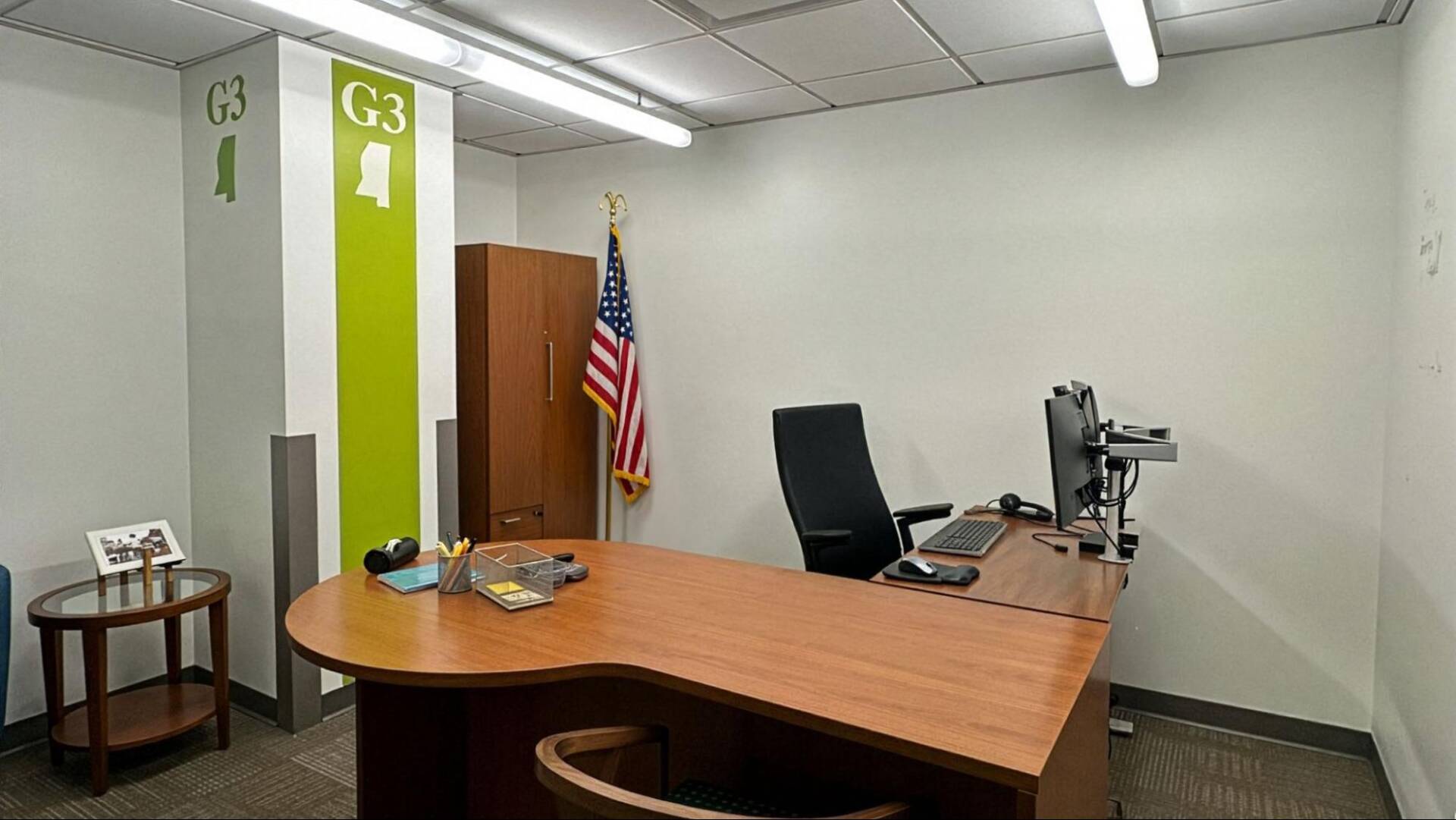
Commercial painting projects can also involve occupied buildings, restricted work hours, and coordination with other trades. However, federal facilities may have additional operational requirements that affect when and how painting work can proceed.
Working Around Occupants and Daily Operations
Federal offices and public-facing facilities may need to remain operational throughout a project. Closing an entire floor or restricting access to a busy corridor may not be practical, particularly when employees, visitors, or essential services depend on those spaces.
In these situations, project teams may divide the work into manageable phases, coordinate access to individual areas, and schedule disruptive activities around building operations. The specific approach depends on the facility’s needs and the contract requirements.
Coordinating Multiple Stakeholders
Federal painting projects may involve contracting officers, general contractors, facility managers, security personnel, building occupants, and other subcontractors. Each party may have different responsibilities and expectations.
Establishing communication procedures early helps clarify who approves changes, who coordinates access, and how scheduling conflicts are resolved. Without clear responsibilities, even relatively small decisions can affect the project timeline.
Documentation and Communication Need to Be Consistent
Documentation is important in commercial construction, but federal contracts may impose specific procedures for recording progress, communicating changes, and demonstrating that contractual requirements have been met.
Maintaining Project Records
Depending on the contract, project records may include schedules, progress updates, inspection documentation, approved changes, meeting notes, and records of completed work. Contractors should establish a process for maintaining and submitting the documentation required by the project.
Consistent records help project stakeholders understand what has been completed, what remains outstanding, and whether issues require a decision or corrective action. They also provide a reference when questions arise about the agreed scope or project progress.
Managing Changes to the Scope
Conditions discovered after work begins may require clarification or a proposed change to the original scope. In federal painting projects, contractors should follow the contract’s established procedures for documenting and obtaining approval for changes.
Informal conversations should not be treated as a substitute for the required authorization. Before proceeding with additional work, contractors should confirm the applicable approval process with the responsible contracting representative.
Quality Expectations Must Be Clearly Understood
Federal painting projects must meet the requirements established in the contract and applicable project specifications. These requirements may address surface preparation, materials, application methods, finish quality, inspection procedures, and acceptance criteria.
Reviewing Specifications Before Work Begins
Contractors should review the project specifications and identify the requirements that apply to each area. Assumptions based on previous commercial projects can lead to problems if the federal contract establishes different expectations.
Preconstruction discussions can help identify unclear requirements and establish how work will be inspected. Confirming expectations before mobilization reduces the likelihood of disagreements late in the project.
Planning for Inspections and Acceptance
Some contracts require formal inspections or documented acceptance at defined stages. Project teams should understand when inspections will occur, who is responsible for reviewing the work, and what documentation is needed before an area can be considered complete.
Building inspection and correction time into the schedule helps prevent unfinished items from disrupting subsequent work. It also gives the contractor a clearer process for addressing deficiencies and confirming completion.
Partner with Socium Coatings for Federal Painting Projects
Socium Coatings brings experience in federal facility painting and related improvement projects, with a focus on project coordination, quality workmanship, and meeting the requirements of government environments. Whether supporting federal offices or other government facilities, our team works to deliver projects with careful planning and minimal disruption to daily operations. Contact Socium Coatings to discuss your federal painting project and learn how our team can support your facility’s needs.



Leave A Comment