




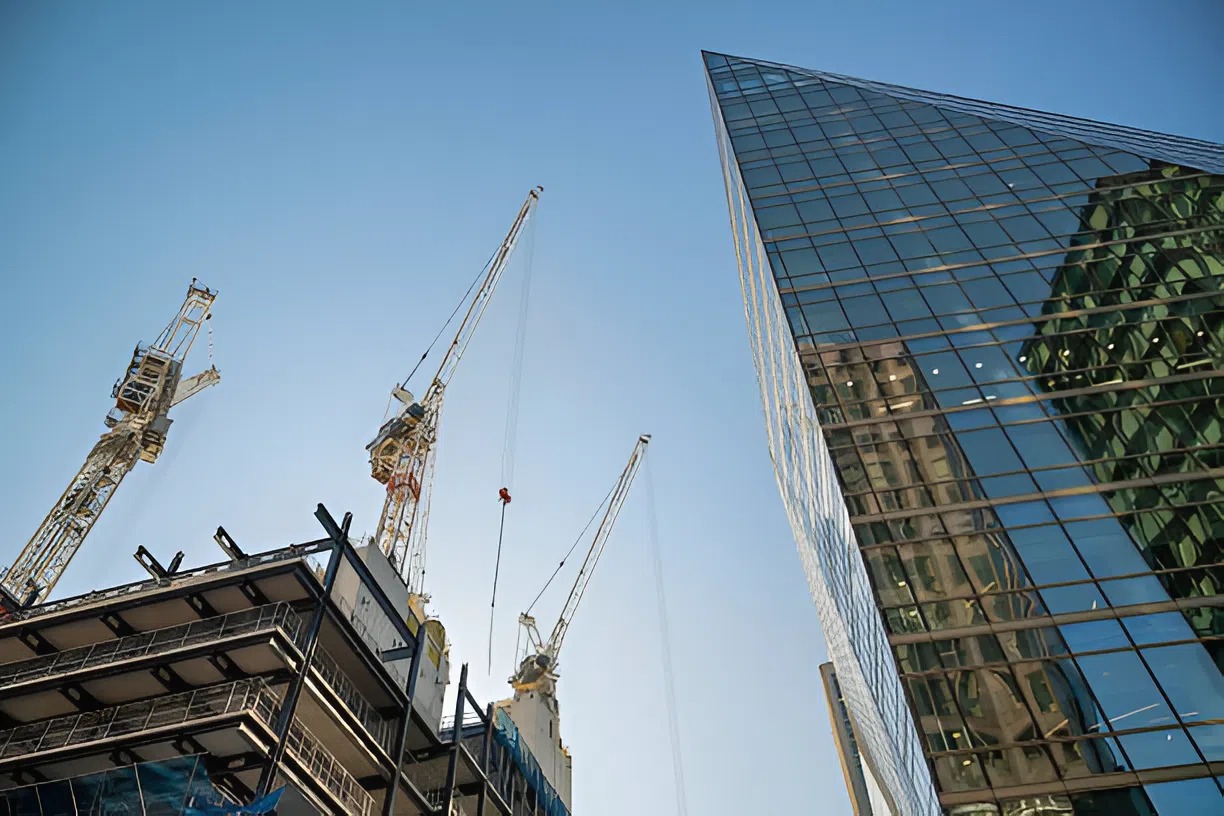
Large construction projects involve multiple trades working simultaneously, each responsible for a specific part of the build. From electricians and drywall installers to flooring specialists and painters, success depends on careful timing and collaboration. One of the most important but often overlooked aspects of finishing a project smoothly is construction painting coordination.
When construction painting coordination is handled effectively, painting contractors can work seamlessly with general contractors, project managers, and other trades. This ensures surfaces are properly prepared, schedules remain on track, and the final finish meets both aesthetic and durability expectations.
Understanding how construction painting coordination works helps property owners, developers, and construction teams ensure that the finishing stages of a project move forward without unnecessary delays or costly rework.
Why Construction Painting Coordination Matters in Large Projects
Painting may be one of the final phases of a construction project, but its success depends heavily on everything that happens before it. Proper painting coordination ensures that surfaces are ready, the environment is suitable for coatings, and other trades have completed the necessary groundwork.
Without strong coordination, painters may arrive on site only to find unfinished drywall, ongoing electrical work, or surfaces that are not properly prepared. These issues can delay timelines and lead to additional labor costs.
Effective construction painting coordination allows painting contractors to align their work with other trades so that preparation, priming, and finishing coats are applied at the right moment in the construction schedule.
Early Planning in Construction Painting Coordination
Pre-Construction Meetings and Scope Alignment
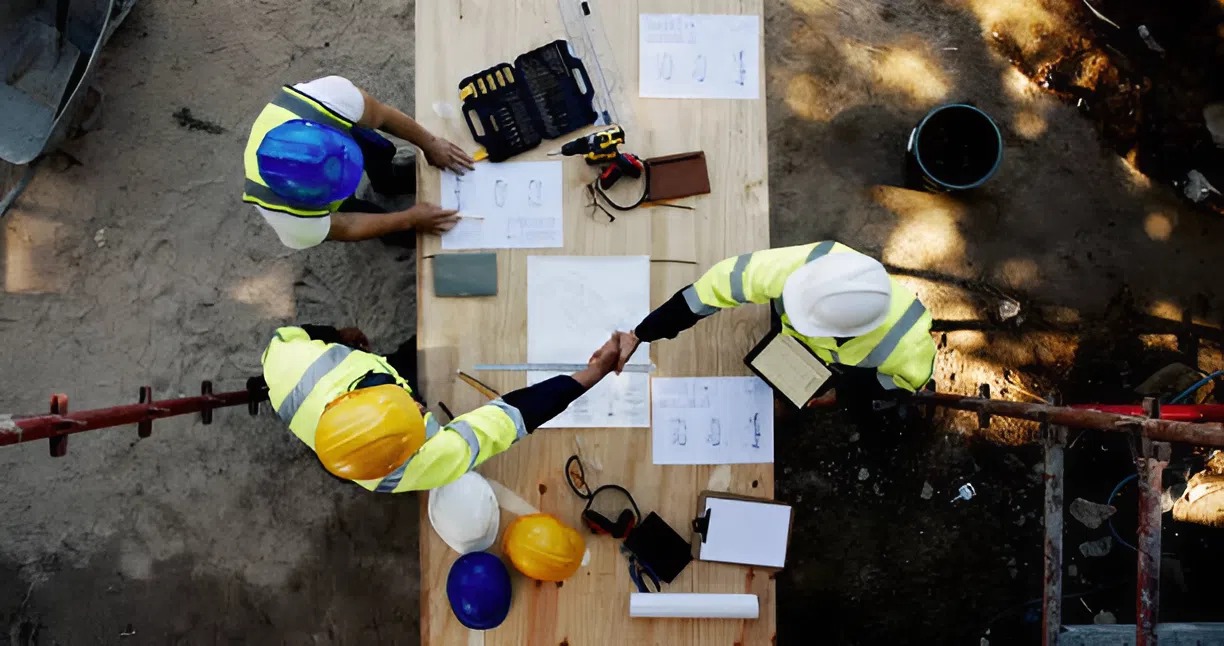
Successful construction painting coordination often begins long before any paint is applied. During pre-construction meetings, painting contractors review project specifications, architectural drawings, and finish schedules with the general contractor and project management team.
These discussions help establish the timeline for painting tasks and clarify expectations regarding coatings, surface preparation, and finishing details. Early coordination also allows contractors to identify potential challenges such as environmental conditions, substrate requirements, or sequencing conflicts with other trades.
Establishing the Painting Timeline
Another critical part of coordination involves determining when painting work will take place relative to other construction activities. For example, drywall installation, sanding, and priming must occur before final paint applications.
Through careful construction painting coordination, project managers can ensure that painters enter the site at the appropriate stage of the project. This reduces downtime and prevents painters from having to revisit areas repeatedly due to unfinished work by other trades.
Communication Between Trades
Coordinating With Drywall and Carpentry Teams
Drywall installation and carpentry work directly affect painting outcomes. Smooth surfaces, properly sealed joints, and clean trim installation all contribute to high-quality finishes.
Strong coordination ensures that drywall crews complete their sanding and finishing before painters begin priming surfaces. Similarly, carpenters installing trim or molding must finish their work before final coats are applied. This level of coordination helps prevent unnecessary touch-ups and protects the integrity of the final finish.
Working Alongside Electrical and Mechanical Contractors
Electrical installations, lighting fixtures, HVAC vents, and other mechanical components often overlap with painted surfaces. Effective coordination ensures these systems are installed or at least roughed in before final painting begins.
When construction painting coordination is managed carefully, painters can protect installed equipment, avoid damaging fixtures, and ensure clean lines around outlets, switches, and ventilation components.
Scheduling and Site Access Management
Avoiding Trade Overlap
Construction sites are busy environments where multiple teams may be working simultaneously. One of the biggest challenges addressed through construction painting coordination is avoiding conflicts between trades operating in the same space.
Through proper coordination, project managers can schedule painting work during windows when other trades have completed their tasks in a specific area. This helps painters work efficiently while reducing the risk of surfaces being damaged or contaminated.
Managing Environmental Conditions
Temperature, humidity, and ventilation all influence paint performance. Proper construction painting coordination includes monitoring site conditions and ensuring that the building environment is ready for coating applications.
For example, HVAC systems may need to be operational before painting begins to maintain stable indoor conditions. By including these considerations, contractors can ensure coatings cure properly and deliver long-lasting results.
Surface Preparation and Inspection Coordination
Ensuring Surfaces Meet Paint Specifications
Before applying paint, contractors must inspect surfaces to confirm they meet the required standards. This stage involves evaluating drywall, wood, metal, or concrete surfaces to ensure they are clean, dry, and properly finished.
Through careful coordination, painting contractors can work with other trades to correct imperfections or incomplete work before painting begins.
Quality Control During the Finishing Phase
Quality control is another key aspect of construction painting coordination. Project managers and painting contractors often conduct walkthroughs together to inspect completed areas and confirm that coatings meet project specifications.
These inspections are a final step in the process, ensuring the finished project meets the visual and durability expectations set during the planning stage.
The Role of Project Managers in Construction Painting Coordination
Project managers play a crucial role in ensuring successful construction painting coordination across the entire project. They act as the central point of communication between contractors, subcontractors, and property owners.
By maintaining clear schedules, facilitating communication between trades, and monitoring progress on site, project managers help ensure that construction painting coordination supports the broader construction timeline.
Effective project management ensures that painting contractors can complete their work efficiently while maintaining high-quality finishes throughout the project.
Delivering Smooth Project Completion Through Construction Painting Coordination
In any construction project, the finishing phase represents the moment when the entire structure begins to look complete. Achieving professional, durable finishes requires more than just skilled painters. It requires strong construction painting coordination between contractors, project managers, and every trade involved in the build.
Choose Socium Coatings for Your Next Commercial Project
At Socium Coatings, we bring the experience and structure needed for effective construction painting coordination, working closely with general contractors, project managers, and other trades to ensure painting phases align smoothly with the overall construction schedule. From early planning and surface preparation to final coatings and walkthroughs, our team focuses on clear communication, organized scheduling, and high-performance coating systems that meet project specifications.
Reach out today to discuss your upcoming project and see how a well-coordinated painting team can support a smoother construction process from start to finish.





Leave A Comment