



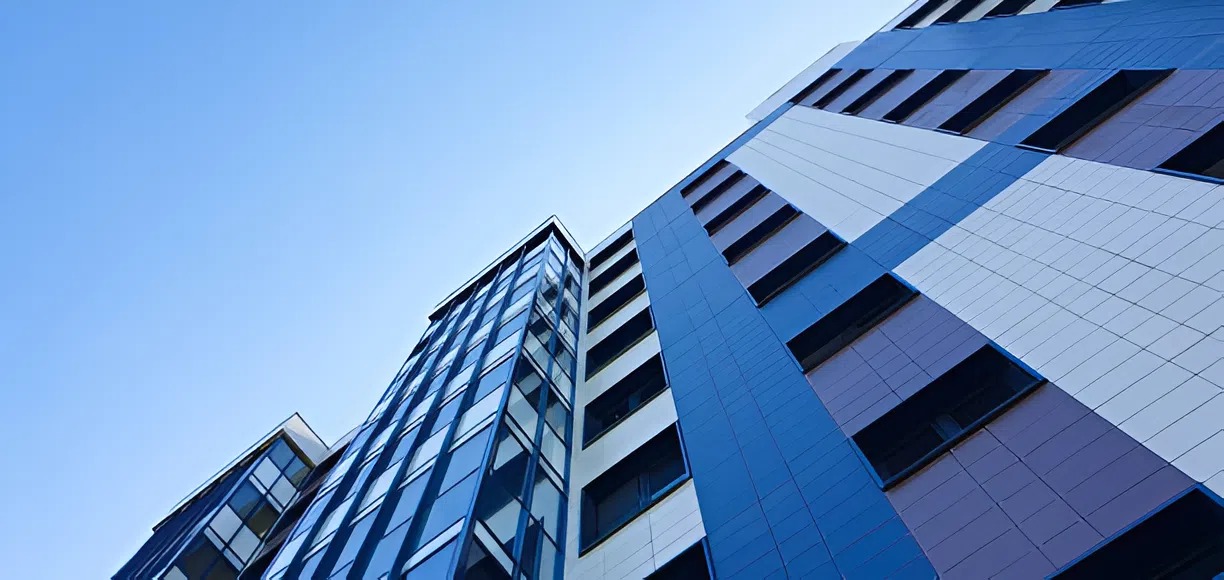
Maintaining a commercial property goes far beyond routine cleaning and repairs. The condition of a building’s paint is important for protecting surfaces, maintaining structural integrity, and presenting a professional image to tenants, customers, and visitors. Over time, environmental exposure, daily wear, and operational demands begin to affect the performance of even the most durable coatings.
For facility managers and property owners across Georgia, recognizing the early signs that a building requires commercial repainting can prevent larger maintenance issues and help preserve the value of the property. Whether the facility is an office complex, aviation facility, industrial site, or educational campus, timely commercial building painting helps ensure that surfaces remain protected and visually appealing.
Understanding the warning signs that indicate a repainting project may be necessary allows organizations to plan maintenance proactively rather than reacting to costly repairs later.
Why Commercial Repainting Matters for Facility Maintenance
Commercial properties experience significantly more wear than residential buildings. High foot traffic, environmental exposure, and operational activity place constant stress on interior and exterior surfaces. Over time, protective coatings begin to deteriorate, making commercial repainting a critical part of long-term facility maintenance.
Regular commercial building painting helps protect surfaces from moisture, UV exposure, corrosion, and physical damage. In addition to extending the lifespan of building materials, a well-maintained paint system helps maintain a professional appearance that reflects positively on the organization occupying the space.
In climates like Georgia, where humidity, heat, and seasonal storms can accelerate wear, proactive commercial repainting becomes even more important for protecting the exterior of commercial structures.
Visible Paint Damage on Exterior Surfaces
One of the most obvious indicators that a facility requires commercial repainting is visible paint damage. Exterior paint systems act as a protective barrier against environmental exposure. When that barrier begins to break down, the underlying materials become vulnerable to further deterioration.
Common signs of paint failure include peeling, cracking, blistering, and fading. These issues often occur when coatings have reached the end of their lifespan or when surfaces have been exposed to prolonged exposure to sunlight, moisture, and temperature fluctuations.
When these symptoms appear, scheduling commercial building painting can help restore the protective coating system before the damage spreads to the substrate beneath the paint. Addressing these issues early helps reduce long-term maintenance costs and prevents more extensive repairs.
Fading and Discoloration Across the Building
Over time, sunlight and environmental exposure cause paint pigments to break down, leading to fading and discoloration. While this may initially appear to be only an aesthetic concern, fading often signals that the coating system is weakening.
Commercial facilities that rely on a professional and consistent appearance (such as office buildings, healthcare facilities, or aviation environments) benefit from periodic commercial repainting to maintain brand image and property value.
When building exteriors or interior surfaces begin to look uneven or dull, commercial building painting can restore a uniform appearance while renewing the protective layer that shields the building from environmental exposure.
Interior Wear in High-Traffic Areas
Interior environments in commercial buildings experience continuous use. Hallways, lobbies, stairwells, and operational areas are exposed to heavy traffic, equipment movement, and frequent cleaning. Over time, these surfaces show scuffs, stains, and wear that cannot be removed through standard maintenance.
When interior surfaces begin to look worn or damaged, commercial repainting helps restore the space while improving durability in high-traffic areas. High-performance coating systems used during commercial building painting projects are specifically designed to withstand frequent contact, cleaning, and operational use.
Updating interior surfaces not only improves the facility’s appearance but also creates a more welcoming environment for employees, clients, and visitors.
Moisture Damage and Surface Deterioration
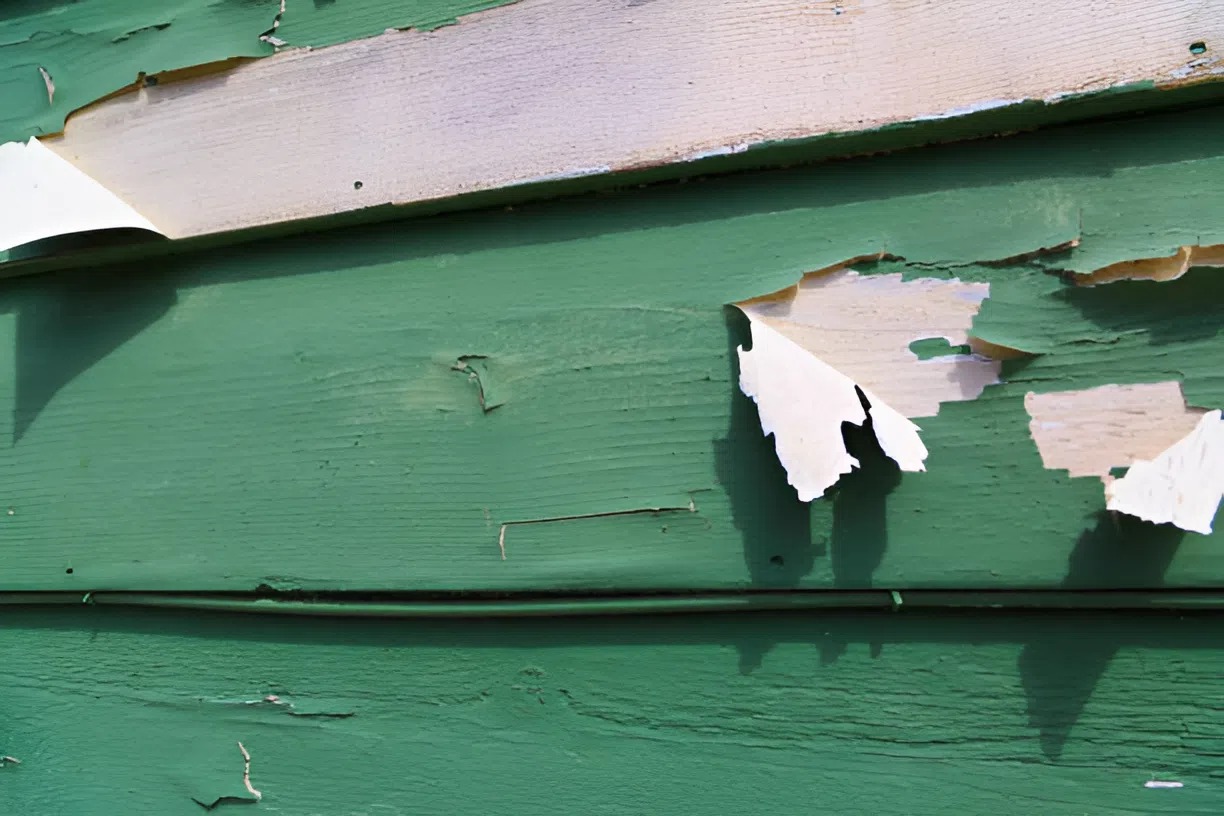
Moisture exposure is another common reason that facilities require commercial repainting. Water infiltration, humidity, and condensation can weaken paint systems and cause bubbling or peeling. In Georgia’s humid climate, moisture damage is a frequent challenge for building exteriors and certain interior environments.
When moisture becomes trapped beneath paint layers, the coating can separate from the surface. This process accelerates deterioration and may eventually expose structural materials to further damage.
A professional commercial building painting project can address these issues by properly preparing surfaces, repairing damaged areas, and applying coating systems designed to withstand moisture exposure.
Aging Coating Systems
Even when paint appears relatively intact, aging coating systems gradually lose their effectiveness. Most commercial buildings require commercial repainting every five to seven years, depending on environmental exposure, building use, and the type of coating originally applied.
As coatings age, their resistance to UV radiation, weather, and physical wear declines. This can lead to gradual deterioration that may not be immediately visible but still reduces the effectiveness of the protective barrier.
Routine commercial building painting ensures that the building’s protective systems remain functional and helps facility managers maintain a predictable maintenance schedule.
Planning a Commercial Repainting Project
Recognizing the early signs that a property needs commercial repainting allows facility managers to plan maintenance strategically rather than responding to emergency repairs. Proper planning includes assessing building conditions, selecting the appropriate coating systems, and scheduling work to minimize disruption to daily operations.
Experienced commercial painting contractors typically conduct detailed site evaluations to determine the scope of work and identify surfaces that require attention. During a commercial building painting project, proper surface preparation, coating selection, and professional application ensure that the new paint system performs effectively over time.
Facilities that operate continuously (such as industrial plants, aviation environments, or educational campuses) often benefit from phased scheduling that allows commercial repainting to occur without interrupting operations.
Maintaining Commercial Properties Through Strategic Repainting
A proactive approach to commercial repainting helps organizations maintain both the appearance and structural integrity of their buildings. By monitoring signs of paint deterioration and planning routine maintenance, facility managers can extend the lifespan of building materials and avoid costly repairs.
Regular commercial building painting is not simply about aesthetics; it is a key component of long-term property management. When performed at the right time and with the appropriate coating systems, repainting projects help protect surfaces, support operational efficiency, and maintain a professional environment.
For commercial properties throughout Georgia, recognizing the warning signs early ensures that repainting projects can be scheduled effectively and completed with minimal disruption to daily operations.
Choose Socium Coatings: Your Trusted Experts for Commercial Repainting in Georgia
Our team at Socium Coatings works with facility managers and project teams across Georgia to deliver commercial building painting solutions designed for durability, performance, and minimal operational disruption.
Reach out to discuss how strategic repainting can help preserve and enhance your commercial property.



Leave A Comment