
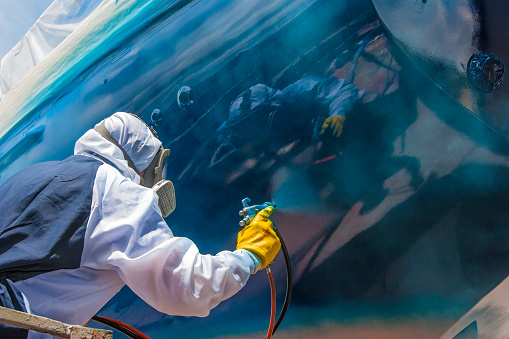
Industrial environments are not designed to make painting easy. Warehouses and manufacturing facilities operate at a scale and intensity that expose every weakness in planning, materials, and execution. What looks like a straightforward coating job on paper quickly turns into a high-stakes operation where timing, durability, and safety all compete for priority.
This is exactly where experienced industrial painting contractors prove their value; not by making the job look easy, but by preventing it from going wrong.
The Reality of Scale in Industrial Spaces
Large Surfaces Amplify Small Mistakes
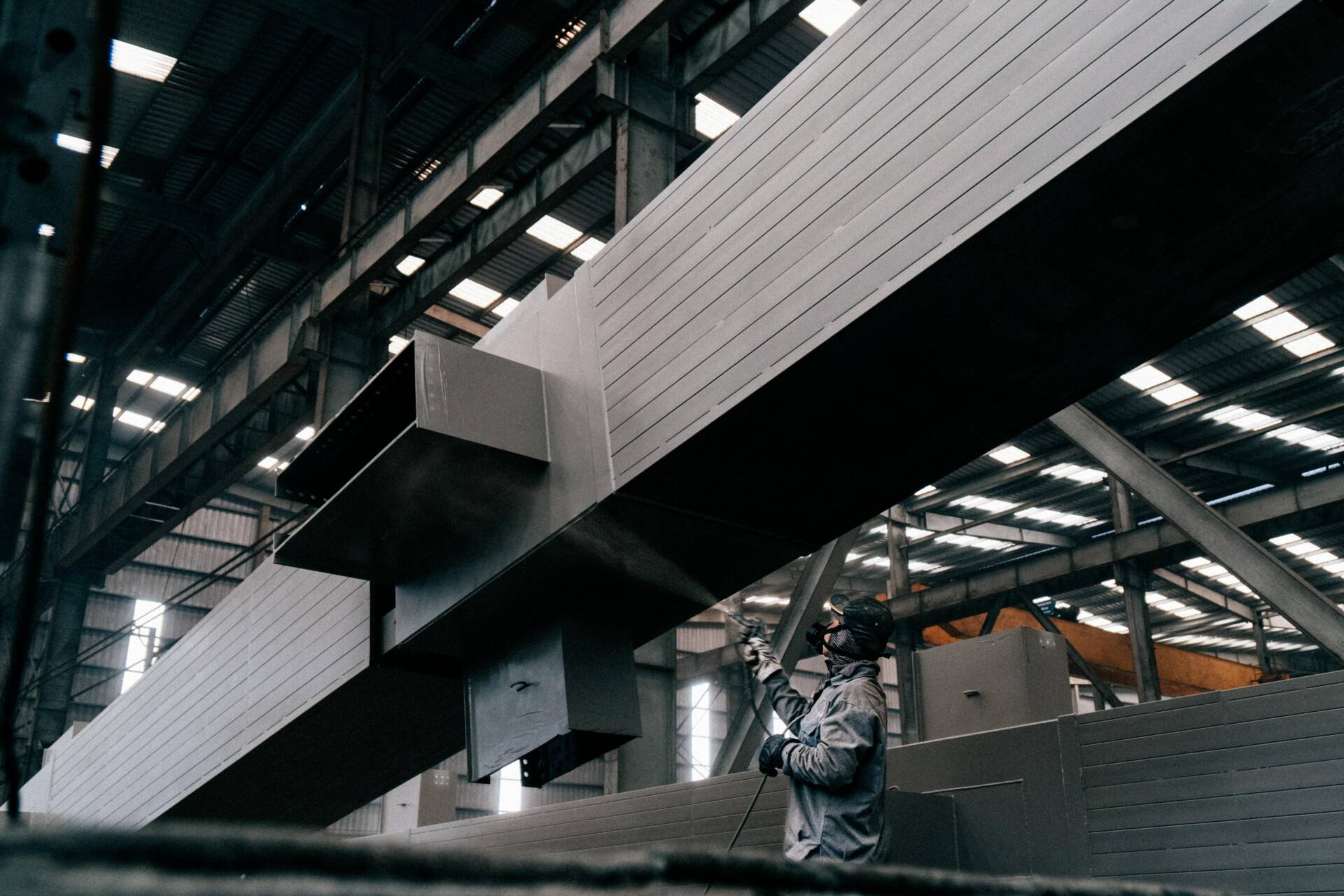
Warehouses stretch across thousands of square feet, with ceilings that seem to disappear into steel frameworks. At that scale, even minor inconsistencies in application become glaring defects. A slight variation in coating thickness or missed surface prep doesn’t stay minor, it multiplies across the entire structure.
For industrial painting contractors, scale isn’t just about covering more area. It requires systematic planning, coordinated crews, and strict quality control. Without that discipline, the result is uneven wear, premature coating failure, and expensive rework that could have been avoided.
Structural Complexity Adds Layers of Difficulty
Industrial buildings are not uniform boxes. They include beams, columns, mezzanines, ducts, and intricate layouts that disrupt straightforward application. Each structural element introduces new angles, access challenges, and coating considerations.
Skilled industrial painting contractors approach these environments with a segmented strategy, treating each section as part of a larger system rather than attempting a one-size-fits-all solution.
Working Around Operations Without Disrupting Them
Continuous Activity Creates Scheduling Pressure
Warehouses rarely shut down for maintenance. Inventory keeps moving, production lines keep running, and every hour of downtime carries a measurable cost. Painting, therefore, has to adapt to operations rather than the other way around.
This creates a delicate balancing act for industrial painting contractors, who must coordinate their work around active workflows. Projects are often broken into phases, scheduled during off-hours, or executed in tightly controlled sections to minimize disruption.
Safety in a Live Environment
Industrial painting is rarely performed in isolation. Workers, machinery, and logistics systems remain active throughout the project. This introduces risks that go far beyond standard job site concerns.
Professional industrial painting contractors integrate safety into every stage of the process. They don’t just comply with regulations; they anticipate hazards, manage movement within the space, and ensure that painting activities do not interfere with daily operations.
Environmental Conditions That Complicate Application
Temperature and Humidity Variability
Industrial spaces are often subject to fluctuating environmental conditions. Heat, cold, and humidity levels can change throughout the day, directly affecting how coatings behave during application and curing.
If the paint dries too quickly, it may not bond properly. If moisture levels are too high, coatings can blister or fail prematurely. Experienced industrial painting contractors adjust their approach based on these conditions, selecting products and techniques that align with the environment rather than working against it.
Exposure to Chemicals and Wear
Manufacturing facilities expose surfaces to chemicals, abrasion, and repeated impact. Standard coatings are not designed to withstand this level of stress.
This is why knowledgeable industrial painting contractors prioritize high-performance systems that are engineered for durability. The goal is not just to coat a surface, but to protect it against the specific challenges it will face over time.
Accessibility and Equipment Constraints
Navigating Around Fixed Infrastructure
Heavy machinery, storage systems, and fixed installations create physical barriers that limit access. Unlike other environments, these obstacles cannot simply be moved out of the way.
This requires industrial painting contractors to work with precision and adaptability. They must plan their approach carefully, ensuring that all areas are properly coated without compromising equipment or creating overspray issues.
Reaching Elevated and Confined Areas
Ceilings, rafters, and overhead systems present their own set of challenges. Accessing these areas safely requires specialized equipment and trained personnel.
Experienced industrial painting contractors rely on advanced access solutions and strict safety protocols to ensure that even the most difficult areas are properly addressed. Skipping or rushing these sections is not an option, as they are often critical to structural protection.
Coating Selection Is a Technical Decision
Performance Drives Every Choice
In industrial settings, paint serves a functional purpose. It protects against corrosion, chemical exposure, and physical wear. Choosing the wrong coating can lead to rapid deterioration and costly maintenance cycles.
This is where expertise matters most. Professional industrial painting contractors evaluate the specific conditions of the facility and select coating systems that align with those demands. The focus is always on performance and longevity rather than appearance alone.
Regulatory and Industry Requirements
Certain industries impose strict standards on coatings, particularly in environments where hygiene or contamination control is critical. Meeting these requirements is not optional, it is essential.
Experienced industrial painting contractors understand these regulations and ensure that every product and process complies with industry expectations.
Balancing Speed With Long-Term Results
The Pressure to Minimize Downtime
Every industrial project comes with an implicit demand to move quickly. The faster the job is completed, the sooner normal operations can resume. However, speed without precision leads to problems that surface later.
Skilled industrial painting contractors recognize that efficiency does not mean rushing. They structure their workflow to maintain quality while respecting operational constraints, ensuring that the final result holds up under real-world conditions.
The Cost of Cutting Corners
Choosing a cheaper, less experienced team may reduce upfront costs, but it often leads to higher expenses over time. Poor preparation, incorrect product selection, and rushed application all contribute to premature failure.
Investing in capable industrial painting contractors reduces the likelihood of repeated maintenance and operational disruption. It is a decision that prioritizes long-term value over short-term savings.
Why Industrial Painting Requires Specialized Expertise
Industrial painting is not forgiving. Every variable (surface condition, environmental factors, operational constraints) interacts in ways that can either support or undermine the final result. Success depends on understanding these variables and managing them with precision.
As seen across the broader painting industry, projects that emphasize preparation, expertise, and strategic execution consistently deliver more durable outcomes than those driven by speed alone. In industrial environments, that difference becomes even more pronounced.
Choose Socium Coatings: Your Go-To Industrial Painting Contractors
When the margin for error is this thin, you don’t bring in generalists; you partner with specialists who understand how industrial environments actually function. Socium Coatings operates with that mindset from day one. Every project is approached with a clear strategy, from surface preparation to final application, ensuring results that hold up under real operational stress.
If your warehouse or manufacturing facility needs a solution that performs as hard as it works, get in touch with our experts today.


Leave A Comment