
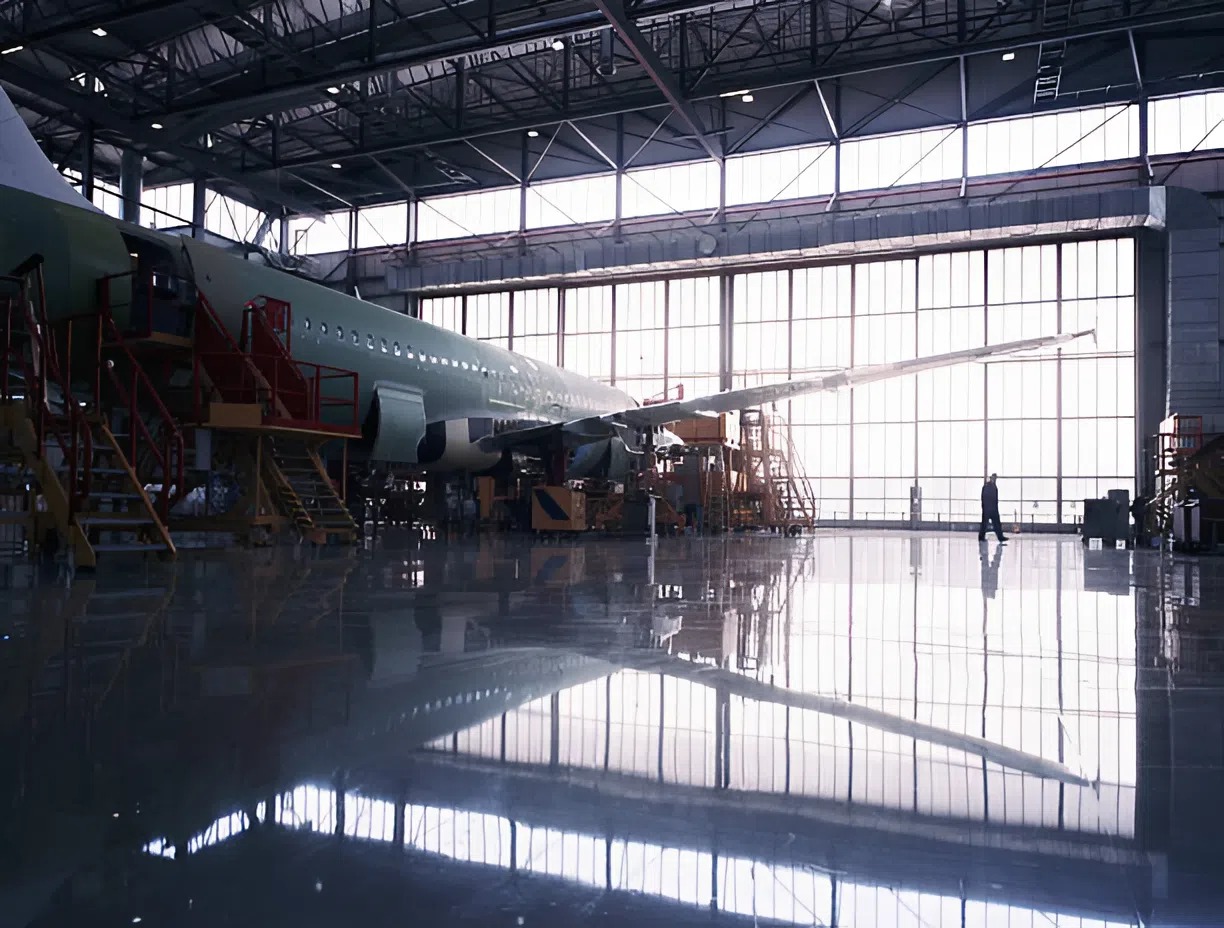
Aircraft hangars are not typical industrial spaces. They operate under constant mechanical stress, chemical exposure, and strict regulatory oversight. That means aviation hangar coatings are not just about aesthetics; they are a functional necessity that directly impacts safety, performance, and longevity.
A well-executed approach to hangar interior painting ensures the facility can withstand daily operations while maintaining compliance with aviation standards.
Why Durability Is Non-Negotiable in Hangar Environments
Hangars experience a level of wear that far exceeds standard commercial or industrial buildings. Heavy aircraft movement, hydraulic fluid spills, fuel exposure, and frequent cleaning cycles all contribute to surface degradation. This is where high-performance aviation hangar coatings become critical.
Standard paints simply cannot handle the abrasion and chemical exposure present in these environments. Instead, coatings must be engineered for resistance to impact, corrosion, and chemical breakdown. Epoxy and polyurethane systems are commonly used because they create a dense, protective layer that adheres strongly to concrete and steel surfaces.
Durability also extends beyond the floor. Walls and ceilings must resist dust accumulation, staining, and moisture intrusion. In large hangars, where maintenance access is limited, long-lasting aviation hangar coatings reduce the need for frequent repainting and downtime. A strategic hangar interior painting plan focuses on lifecycle performance rather than short-term visual improvement.
Surface Preparation: The Foundation of Performance
No coating system performs well without proper preparation. In hangar environments, surface prep is often the difference between a coating that lasts years and one that fails within months.
Concrete floors typically require mechanical grinding or shot blasting to remove contaminants and create a profile for adhesion. Oil stains, tire marks, and chemical residues must be fully eliminated before applying aviation hangar coatings. Any shortcuts at this stage compromise the entire system.
Steel structures require a different approach. Rust removal, priming, and corrosion-resistant treatments are essential before applying finishing layers. Given the scale of hangars, preparation must be methodical and consistent across large surface areas. Professional hangar interior painting projects prioritize prep as a core phase, not an afterthought.
Safety Markings: More Than Just Visual Guidance
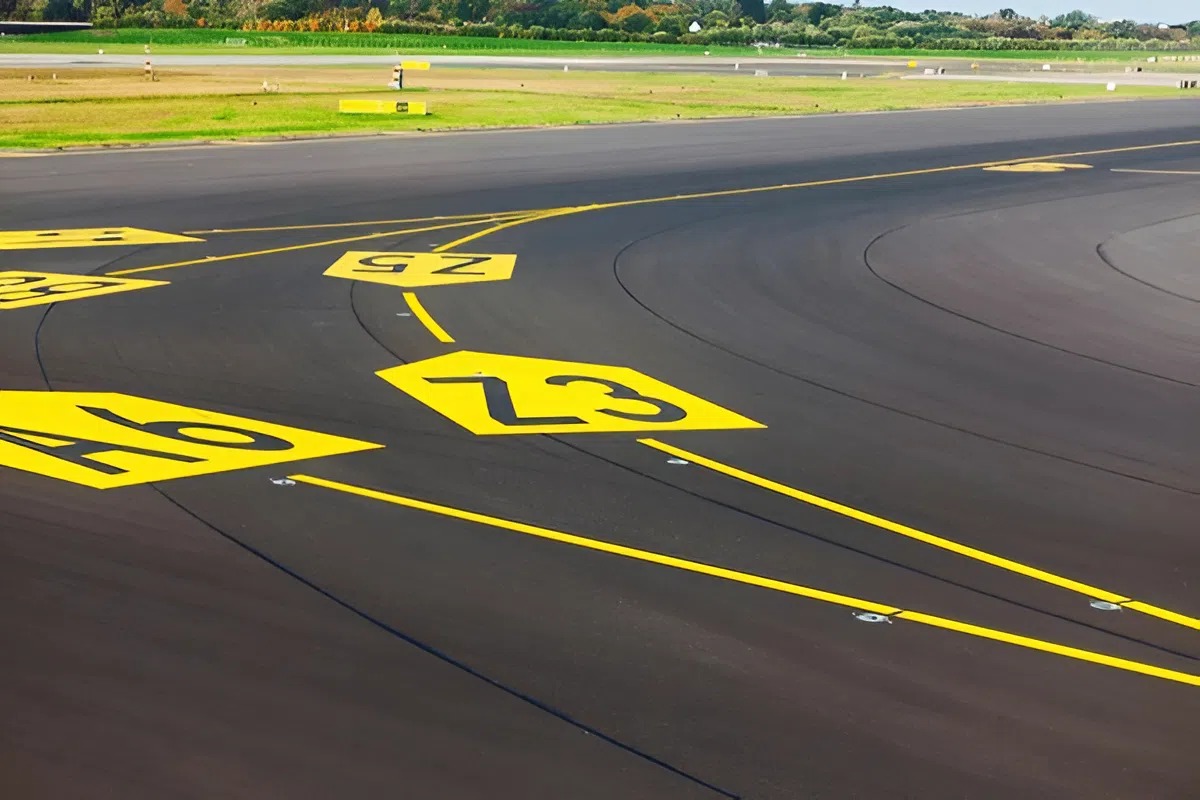
Safety markings inside hangars are not optional; they are integral to operational efficiency and compliance. From aircraft positioning lines to pedestrian walkways and hazard zones, every marking must be precise, visible, and durable.
High-quality aviation hangar coatings are formulated to maintain color integrity under heavy traffic and exposure. Faded or worn markings can lead to operational errors, especially in busy facilities where multiple teams are working simultaneously.
High-Visibility Standards and Compliance
Color coding within hangars often follows strict regulatory or organizational standards. Yellow lines may indicate safe clearance zones, red areas can mark restricted access, and green pathways often designate emergency exits. These markings must remain visible under varying lighting conditions, including low-light scenarios.
Incorporating reflective or high-gloss aviation hangar coatings enhances visibility and improves safety. During hangar interior painting, professionals must ensure consistent line thickness, sharp edges, and proper curing to prevent premature wear.
Integration with Daily Operations
Hangars rarely shut down completely for painting projects. That means coatings and markings must be applied in phases without disrupting critical operations. Fast-curing aviation hangar coatings allow sections of the facility to return to service quickly, minimizing downtime.
A well-planned hangar interior painting strategy considers workflow patterns, ensuring that markings align with real operational needs rather than generic layouts. This level of planning separates functional facilities from inefficient ones.
Environmental Considerations in Hangar Coating Systems
Sustainability and environmental responsibility are becoming increasingly important in aviation infrastructure. Traditional solvent-based coatings can release volatile organic compounds (VOCs), which impact air quality and worker safety.
Modern aviation hangar coatings are often formulated with low-VOC or zero-VOC content, reducing environmental impact without sacrificing performance. These coatings improve indoor air quality, especially in enclosed hangar spaces where ventilation may be limited.
Managing Moisture and Temperature Fluctuations
Hangars are exposed to fluctuating environmental conditions. Temperature swings, humidity, and condensation can all affect coating performance. Selecting aviation hangar coatings that accommodate these changes is essential for long-term durability.
Moisture-resistant systems prevent blistering and peeling, particularly on concrete surfaces. During hangar interior painting, environmental conditions must be carefully monitored to ensure proper curing. Applying coatings outside recommended temperature ranges can compromise adhesion and longevity.
Waste Reduction and Long-Term Efficiency
A well-executed coating system is also an environmental decision. Durable aviation hangar coatings reduce the frequency of repainting, minimizing material waste and labor requirements over time.
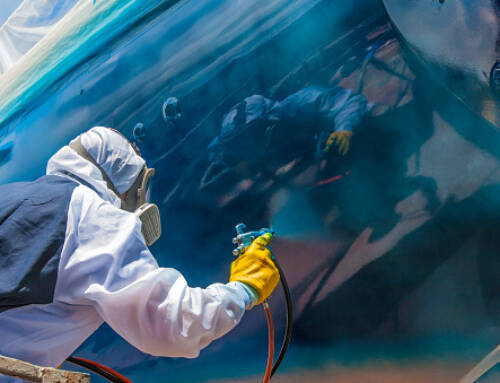
Efficient application techniques, such as spray systems and controlled material usage, further reduce waste. In large-scale facilities, even small efficiency improvements can have a significant environmental and financial impact. Thoughtful hangar interior painting aligns operational needs with sustainability goals.
Choosing the Right Coating System for Hangar Interiors
Not all coating systems are created equal, and selecting the right one requires a clear understanding of the hangar’s specific demands. Factors such as aircraft type, traffic volume, chemical exposure, and maintenance routines all influence the choice of aviation hangar coatings.
Floor coatings must prioritize slip resistance without compromising cleanability. Wall coatings should resist staining and allow easy maintenance. Ceiling coatings often focus on light reflectivity to improve visibility and reduce energy consumption.
A tailored hangar interior painting approach evaluates each surface independently while maintaining overall system compatibility. This ensures consistent performance across the entire facility.
Balancing Performance with Compliance
Aviation facilities operate under strict regulatory frameworks, and coatings must align with these requirements. Fire resistance, anti-static properties, and chemical resistance are often mandated depending on the hangar’s function.
High-performance aviation hangar coatings can be engineered to meet these standards while still delivering durability and ease of maintenance. Compliance is not a separate consideration; it is embedded into every stage of the coating selection and application process.
Choose Socium Coatings: Trusted Experts for Aviation Infrastructures
Socium Coatings brings a specialized approach to aviation hangar coatings, delivering systems engineered to handle heavy aircraft traffic, chemical exposure, and strict safety requirements without compromise.
If your facility demands coatings that hold up under pressure and meet aviation-grade standards, connect with Socium Coatings today.




Leave A Comment