
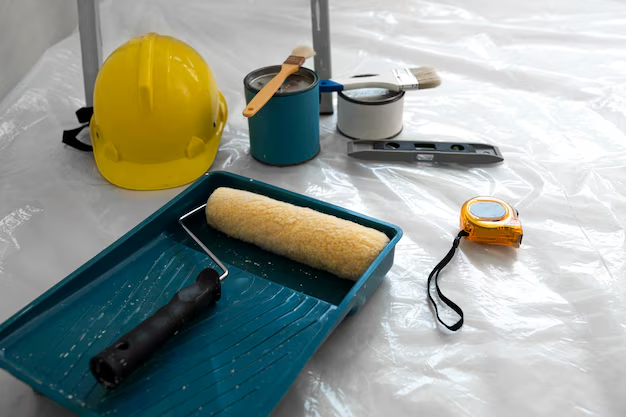
For many businesses, maintaining a clean, professional appearance is important, but shutting down operations for a painting project simply isn’t practical. Office buildings, retail stores, healthcare facilities, schools, warehouses, and industrial properties often need painting updates while employees continue working and customers continue visiting. This is why successful commercial painting project management goes far beyond selecting colors and applying coatings. It requires detailed planning, strategic scheduling, and constant communication to ensure the project is completed with minimal disruption to daily operations.
Professional painting contractors understand that every hour of downtime can impact productivity, revenue, and customer experience. Through careful commercial painting project management, businesses can improve and protect their properties without bringing operations to a halt.
Understanding the Client’s Operational Needs
Every successful commercial painting project begins with understanding how a facility functions on a daily basis. Before developing a schedule, project managers meet with business owners, facility managers, or property management teams to learn about operating hours, employee schedules, customer traffic patterns, and any areas that require special access or protection.
This discovery phase plays a critical role in commercial painting project management because no two commercial facilities operate the same way. A corporate office may require work to occur after business hours, while a warehouse may need crews to work around shipping schedules. Healthcare facilities may have additional safety and air-quality considerations that influence how and when painting can take place. Understanding these requirements early allows contractors to build a schedule that aligns with the business rather than disrupting it.
Creating a Strategic Project Timeline
Evaluating the Scope of Work
Once the operational requirements are understood, contractors conduct a detailed assessment of the property. They examine surface conditions, identify repair needs, evaluate access challenges, and determine the amount of labor and materials required. This information helps create a realistic timeline that accounts for preparation, painting, drying times, inspections, and final touch-ups.
Effective commercial painting project management relies on accurate planning. Underestimating project requirements can lead to delays, while overestimating can create unnecessary costs. A well-developed schedule establishes clear expectations for everyone involved and reduces the likelihood of unexpected disruptions.
Building Flexibility Into the Schedule
Commercial environments are constantly changing. Deliveries, customer traffic, employee schedules, and weather conditions can all influence project progress. Experienced project managers build flexibility into their schedules to accommodate these variables without compromising quality or deadlines.
Rather than viewing scheduling as a fixed process, successful commercial painting project management treats it as a dynamic plan that can adapt when circumstances change. This flexibility helps keep projects moving forward while protecting business operations.
Dividing the Project Into Phases
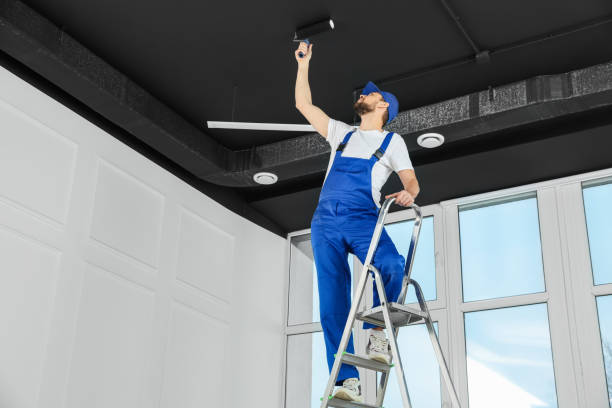
One of the most effective ways to minimize disruptions is through phased scheduling. Instead of attempting to paint an entire facility at once, contractors divide the project into manageable sections that can be completed independently.
For example, an office building may be painted one floor at a time, allowing employees to continue working in unaffected areas. A retail store may schedule painting in different departments on separate days, ensuring customers can still access most of the space. Manufacturing facilities often divide projects by production zones to avoid interfering with critical operations.
This phased approach is a cornerstone of modern commercial painting project management because it allows work to progress steadily while maintaining business continuity. By isolating work areas, contractors can complete projects efficiently without creating widespread inconvenience.
Scheduling Work During Off-Hours
Evening and Weekend Painting
Many commercial painting projects are scheduled outside normal business hours. Evening, overnight, and weekend work allows contractors to complete large portions of the project when facilities are empty or operating at reduced capacity.
This approach is especially common in office buildings, retail environments, educational facilities, and medical offices. Through thoughtful commercial painting project management, contractors can maximize productivity during off-hours while ensuring the space is ready for employees and customers when operations resume.
Taking Advantage of Seasonal Downtime
Some businesses experience predictable slow periods throughout the year. Retailers often have quieter seasons after major holidays, schools may have extended breaks, and certain industrial facilities schedule maintenance shutdowns. Experienced contractors identify these opportunities and align painting schedules accordingly.
Planning around natural business slowdowns allows larger portions of a project to be completed more quickly while minimizing operational impacts. This proactive strategy is another example of how effective commercial painting project management helps balance maintenance needs with business priorities.
Communication Throughout Every Phase
Even the best schedule can create challenges if stakeholders are not kept informed. Consistent communication is essential throughout the life of a commercial painting project. Project managers provide regular updates regarding progress, upcoming work areas, timeline adjustments, and any temporary access restrictions.
Strong communication helps employees prepare for work occurring nearby and allows facility managers to coordinate resources more effectively. Successful commercial painting project management depends on transparency because informed stakeholders are better equipped to adapt to temporary changes without disrupting operations.
Regular meetings and progress reports also allow concerns to be addressed before they become larger problems. This collaborative approach keeps projects on schedule while maintaining positive relationships between contractors and clients.
Protecting Occupants During the Project
Commercial painting often takes place in occupied spaces, making safety a top priority. Contractors use containment systems, protective barriers, signage, and designated work zones to separate painting activities from active work areas. These precautions help protect employees, customers, and visitors while maintaining compliance with safety standards.
Many projects also utilize low-VOC and low-odor coatings to reduce indoor air quality concerns. By carefully selecting products and implementing proper ventilation strategies, contractors can perform work in occupied facilities with minimal discomfort for building occupants.
Comprehensive safety planning is a fundamental aspect of commercial painting project management because it protects both people and productivity throughout the project.
Managing Unexpected Challenges
No commercial project is completely immune to surprises. Hidden surface damage, weather delays, material shortages, or operational changes can impact the schedule. What separates successful projects from problematic ones is how these challenges are managed.
Experienced project managers anticipate potential obstacles and develop contingency plans before work begins. When issues arise, they can quickly adjust schedules, reallocate resources, and communicate changes to stakeholders. This proactive approach ensures that unexpected events do not derail the entire project.
Strong commercial painting project management provides the structure necessary to adapt without sacrificing quality, safety, or operational continuity.
Why Professional Project Management Matters
Commercial painting projects involve much more than applying paint to a surface. They require coordination between multiple stakeholders, careful scheduling, safety planning, and ongoing communication. Businesses that invest in professional commercial painting project management benefit from reduced disruptions, improved efficiency, better quality control, and more predictable project outcomes.
Rather than forcing operations to pause, a well-managed project works around the unique needs of the facility. The result is a smoother experience for employees, customers, and property managers alike.
Starting a New Commercial Painting Project? Choose Socium Coatings
When your business needs a painting project completed without disrupting daily operations, partnering with an experienced contractor makes all the difference. At Socium Coatings, we specialize in professional commercial painting services backed by strategic commercial painting project management, clear communication, and flexible scheduling tailored to your facility’s needs. Whether you’re updating an office building, retail space, industrial facility, healthcare center, or multi-site property, our team works efficiently to deliver high-quality results while keeping your operations running smoothly.
Contact us today to discuss your next commercial painting project and discover how we can help protect and enhance your property with minimal disruption.




Leave A Comment