

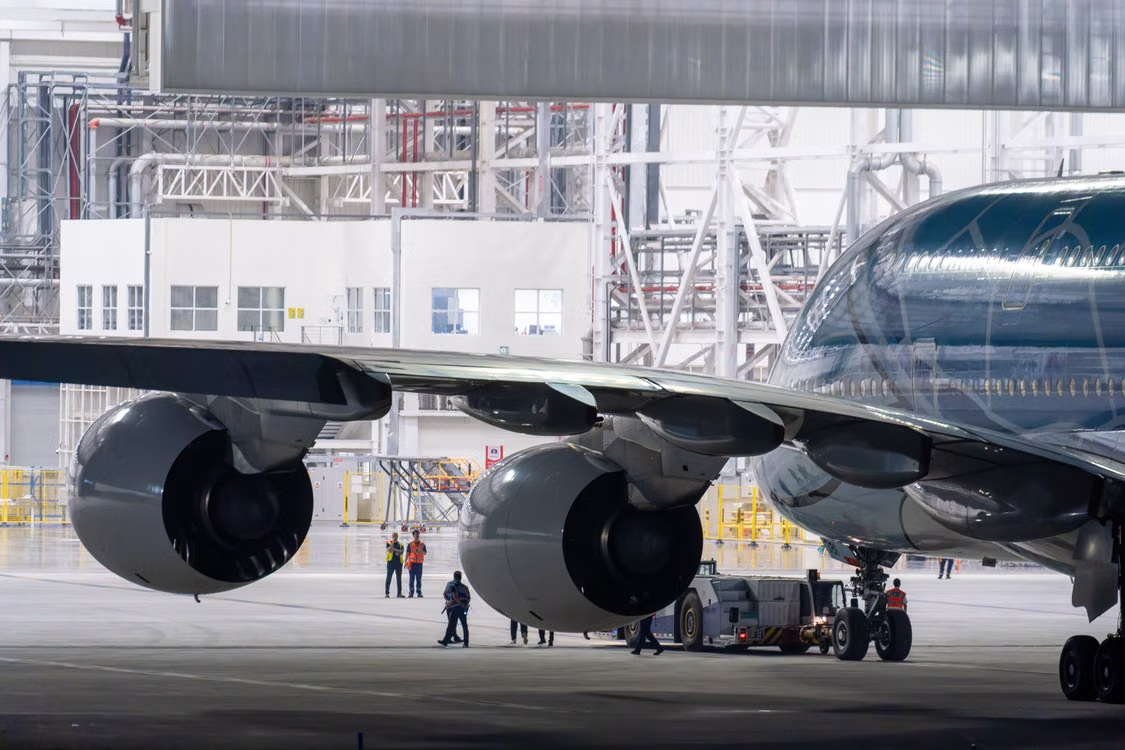
Aviation facilities operate around the clock, making maintenance projects far more complex than those in traditional commercial or industrial environments. Painting work must be carefully coordinated to protect safety, maintain regulatory compliance, and ensure passengers, airline staff, and ground operations continue without interruption. This is where aviation painting project management becomes essential. A well-planned approach allows painting contractors to complete projects efficiently while minimizing downtime and avoiding disruptions to daily airport activities.
Whether the work involves terminal interiors, hangars, maintenance facilities, cargo buildings, or exterior structures, successful aviation painting project management relies on detailed planning, communication, and carefully executed phases. Equally important is a strategic approach to airport painting phasing, which helps airports maintain full or partial operations while maintenance is underway.
Why Aviation Facilities Require a Phased Painting Strategy
Unlike conventional buildings that can simply close for renovations, airports must remain operational. Flights continue arriving and departing, maintenance crews remain active, and thousands of passengers move through terminals every day. Because of this, painting contractors must adapt their schedules around airport operations instead of expecting operations to adjust around the project.
Effective aviation painting project management begins long before the first surface is prepared. Every phase is carefully designed to accommodate security requirements, operational schedules, safety protocols, and facility access restrictions. Proper airport painting phasing ensures that only designated sections are temporarily unavailable while the remainder of the facility continues functioning normally.
Planning Every Phase Before Work Begins
The planning stage is often the most important part of aviation painting project management. Contractors collaborate with airport management, facility maintenance teams, operations personnel, and other stakeholders to understand how each area is used throughout the day and identify the least disruptive times for painting activities.
Project schedules are built around flight schedules, maintenance windows, staffing requirements, and high-traffic periods. Contractors also evaluate ventilation systems, emergency access routes, material storage locations, and equipment movement before determining the sequence of work.
Careful airport painting phasing ensures each section can be isolated without affecting adjacent operations. This level of preparation significantly reduces delays and unexpected disruptions during construction.
Identifying Critical Operational Areas
Not every airport space carries the same operational importance. Some areas, such as control rooms, security checkpoints, maintenance bays, and passenger corridors, require continuous access.
Successful aviation painting project management prioritizes these high-importance areas differently than administrative offices or storage facilities. Contractors often schedule work during overnight hours, weekends, or periods of lower activity to maintain uninterrupted operations.
Dividing Large Projects Into Manageable Sections
Large aviation painting projects are rarely completed all at once. Instead, they are divided into smaller zones that can be completed independently.
This approach allows contractors to fully prepare, paint, inspect, and reopen one section before moving to the next. Well-executed airport painting phasing prevents widespread closures while keeping work organized and easier to monitor.
For example, one terminal corridor may remain open while another undergoes surface preparation and painting. Once the completed section is reopened, crews relocate to the next designated area. This systematic approach is a cornerstone of successful aviation painting project management because it maintains both productivity and operational continuity.
Temporary Barriers and Safe Work Zones
Each phase includes temporary containment measures that separate work areas from airport operations. Protective barriers help control dust, overspray, and noise while maintaining safe access for passengers and airport personnel.
These temporary work zones are carefully planned as part of aviation painting project management, ensuring contractors can work efficiently without creating unnecessary hazards or interfering with surrounding activities.
Coordinating With Multiple Airport Departments
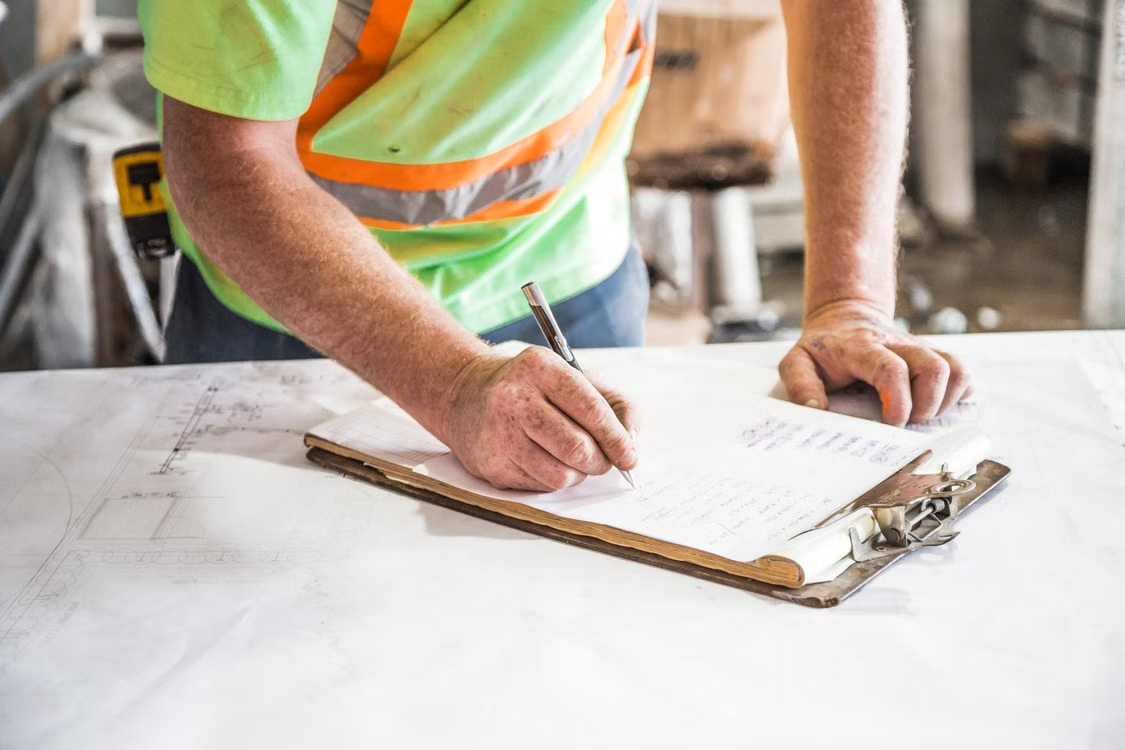
Aviation facilities involve numerous departments working simultaneously. Security teams, airline personnel, maintenance crews, baggage operations, facility management, and emergency services all rely on continuous access to different parts of the airport.
Strong communication is one of the defining characteristics of effective aviation painting project management. Contractors regularly coordinate schedules, provide progress updates, and adjust work sequences whenever operational priorities change.
When airport painting phasing is managed collaboratively, unexpected operational needs can often be accommodated without delaying the entire project.
Flexibility During Active Operations
Airport schedules can change with little notice due to weather, aircraft maintenance requirements, security events, or operational demands.
Professional contractors anticipate these possibilities by building flexibility into their schedules. Instead of rigid timelines, aviation painting project management allows crews to shift work between designated phases when necessary, keeping the project moving while respecting airport priorities.
Selecting Materials That Reduce Downtime
Modern coating technologies play a major role in minimizing disruptions. Fast-curing, low-odor, and durable coating systems allow painted areas to return to service more quickly than traditional products.
Choosing the appropriate coating system is another important aspect of aviation painting project management. Material selection depends on environmental conditions, expected traffic levels, cleaning requirements, and long-term durability.
Combined with proper airport painting phasing, these coatings shorten closure times while maintaining high-quality finishes capable of withstanding demanding airport environments.
Final Inspections Before Each Phase Reopens
Each completed phase undergoes detailed inspections before the area returns to normal operations. Contractors verify coating quality, confirm curing requirements have been met, remove temporary containment systems, and ensure all safety standards are satisfied.
Rather than waiting until the end of the project, inspections occur after every completed section. This phased quality control process is an essential component of aviation painting project management, allowing issues to be corrected immediately before work progresses into the next phase.
As each successfully completed section reopens, airport personnel regain access with confidence that both safety and appearance standards have been met.
Partner With Socium Coatings for Your Next Aviation Painting Project
At Socium Coatings, we understand that every aviation facility operates on a tight schedule where downtime simply isn’t an option. Our team specializes in aviation painting project management, working closely with airport stakeholders to develop strategic airport painting phasing plans that keep operations running smoothly while delivering durable, high-quality results.
Get in touch with our team today and let us help you execute your aviation painting project safely, efficiently, and with minimal disruption to your operations.




Leave A Comment