
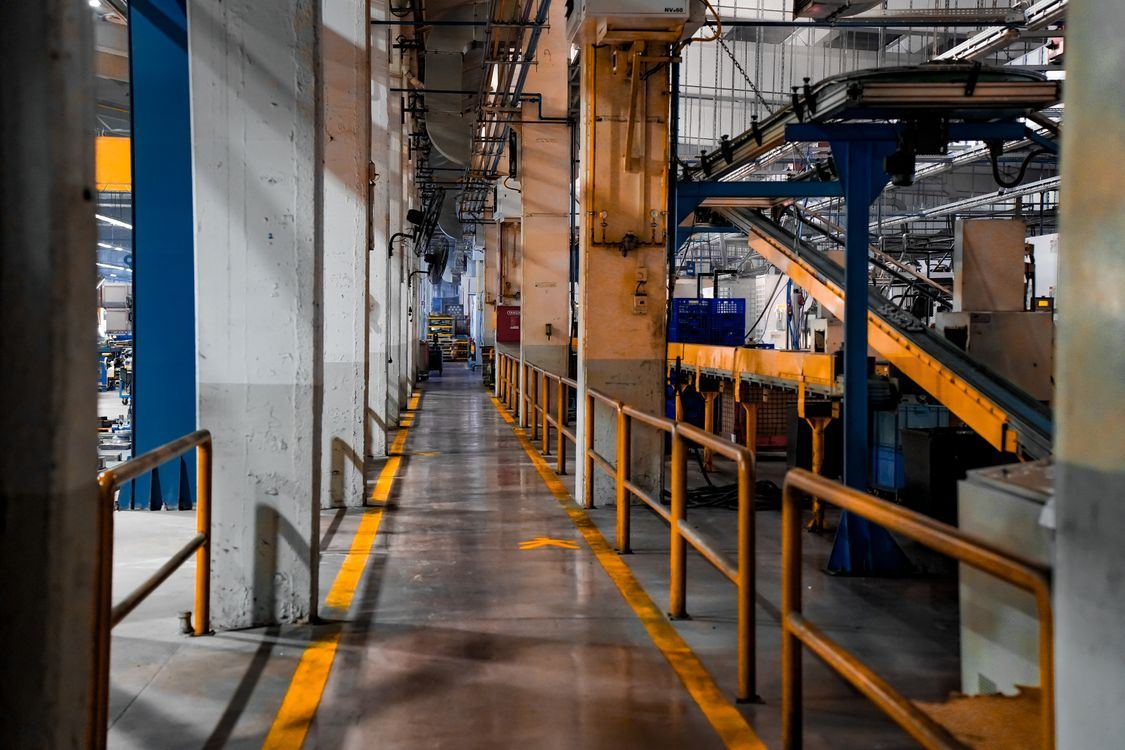
Manufacturing environments demand more than a fresh coat of paint. Every coating applied inside a production facility must withstand heavy equipment, chemical exposure, moisture, abrasion, temperature changes, and constant foot or vehicle traffic. That is why manufacturing facility painting begins long before the first coat is applied. The quality of the finished project depends heavily on the preparation process.
Professional contractors understand that proper industrial surface preparation creates the foundation for a coating system that lasts longer, performs better, and helps protect valuable assets. Without thorough preparation, even premium coatings can fail prematurely, resulting in peeling, blistering, corrosion, and unnecessary maintenance costs.
Why Surface Preparation Is Essential for Manufacturing Facility Painting
Successful manufacturing facility painting is built on careful planning and detailed preparation. Industrial facilities often contain steel structures, concrete floors, machinery supports, storage tanks, production lines, and utility systems that have been exposed to years of wear.
Contaminants such as grease, oil, dust, chemical residue, rust, and previous coating failures prevent new coatings from bonding properly. Before any painting begins, these issues must be addressed to ensure maximum adhesion and long-term performance.
Professional contractors evaluate each substrate individually because different materials require different preparation techniques. This customized approach helps ensure the finished coating system meets both operational demands and manufacturer specifications.
Assessing Existing Surface Conditions
Identifying Damage Before Work Begins
The first step in manufacturing facility painting is conducting a detailed inspection of all surfaces. Contractors examine existing coatings, identify corrosion, inspect for structural deterioration, and determine whether previous paint systems remain stable enough for recoating.
This assessment helps establish the most appropriate preparation method while identifying any repairs that should be completed before painting begins.
Understanding Environmental Exposure
Not every manufacturing facility faces the same conditions. Food processing plants, automotive facilities, pharmaceutical manufacturers, warehouses, and metal fabrication shops each expose surfaces to different challenges.
Understanding these environmental factors allows contractors to choose the proper industrial surface preparation methods that match the facility’s operating conditions and future coating requirements.
Cleaning Away Contaminants
One of the most important stages of industrial surface preparation involves thoroughly cleaning every surface before paint application.
Manufacturing environments accumulate contaminants that may not always be visible. Oils, lubricants, airborne particles, chemical vapors, and production residue can interfere with coating adhesion if they are not completely removed.
Professional contractors often use pressure washing, industrial degreasers, specialized cleaning solutions, steam cleaning, or solvent wiping depending on the type of contamination present. Every cleaning method is selected to remove unwanted materials without damaging the underlying substrate.
Proper cleaning also prevents contaminants from becoming trapped beneath the new coating system, which could lead to premature failure.
Removing Existing Coatings and Corrosion
Addressing Rust and Deterioration
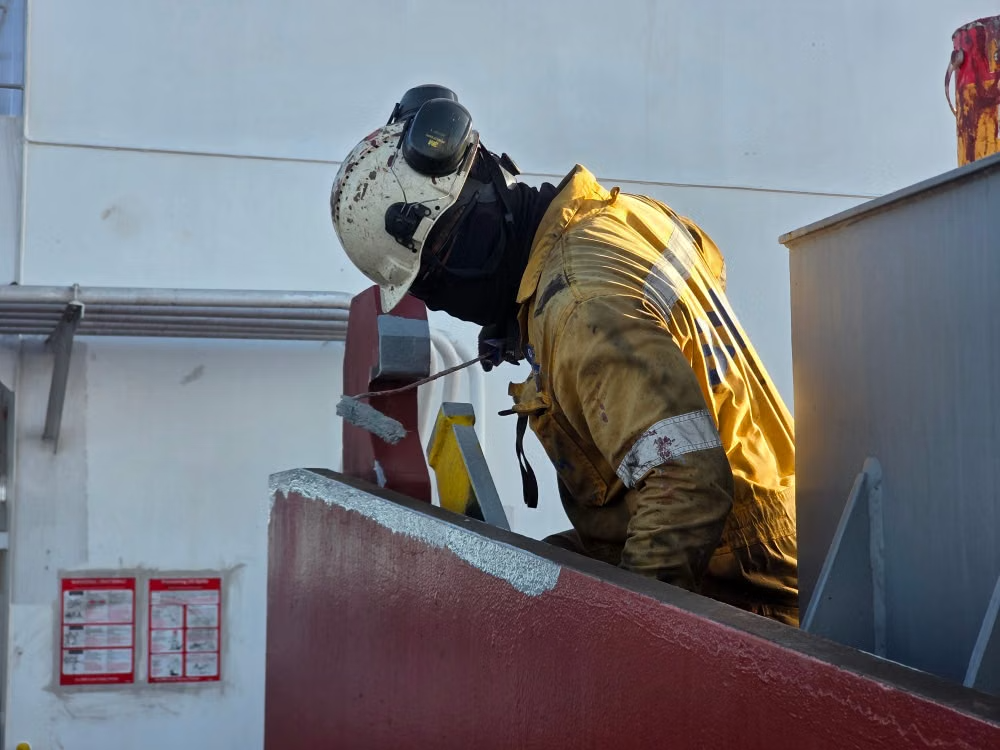
Many industrial facilities contain exposed structural steel that naturally develops corrosion over time. Before manufacturing facility painting can begin, contractors remove loose rust, deteriorated coatings, and oxidation that could compromise adhesion.
Depending on the condition of the surface, this process may involve abrasive blasting, mechanical grinding, sanding, power tools, or other specialized methods designed for industrial environments.
Preparing Previously Painted Surfaces
Not every existing coating requires complete removal. If the previous coating remains sound, contractors may feather rough edges, smooth damaged areas, and create a profile that allows new coatings to bond effectively.
This careful evaluation saves time while still maintaining high performance standards throughout the completed manufacturing facility painting project.
Creating the Proper Surface Profile
Why Surface Texture Matters
An often-overlooked aspect of industrial surface preparation is creating the correct surface profile. Paint needs a properly textured surface to anchor itself securely.
If a surface is too smooth, coatings may struggle to bond. If it is excessively rough, the coating may not achieve consistent coverage or thickness.
Professional contractors follow manufacturer specifications to achieve the appropriate profile for each coating system. This step significantly improves durability while extending the overall service life of protective finishes.
Repairing Concrete Before Painting
Concrete surfaces found throughout manufacturing plants often develop cracks, chips, spalling, or uneven areas over years of operation.
Before manufacturing facility painting begins, contractors repair damaged concrete using appropriate patching materials and fillers. These repairs help create a uniform surface while preventing future coating failures.
Proper repairs also improve workplace safety by eliminating trip hazards and protecting floors from further deterioration once the new coating system is installed.
Controlling Dust and Moisture During Industrial Surface Preparation
Environmental control plays a major role in successful industrial surface preparation. Dust generated during production or surface preparation can contaminate freshly prepared areas before coatings are applied.
Likewise, excessive humidity or trapped moisture can interfere with adhesion and curing.
Experienced contractors monitor environmental conditions throughout the project, isolate work zones when necessary, and ensure surfaces remain clean and dry before painting begins. These precautions contribute to consistent coating performance across the facility.
Choosing the Right Primer for Long-Term Performance
After surfaces have been thoroughly prepared, the next step is selecting an appropriate primer.
The primer serves as the bridge between the prepared substrate and the final protective coating. Different materials require different primer systems depending on exposure conditions, corrosion risks, and coating specifications.
A properly selected primer enhances adhesion, improves corrosion resistance, and helps maximize the lifespan of the entire manufacturing facility painting system.
Minimizing Downtime During Manufacturing Facility Painting
One of the biggest concerns for manufacturers is maintaining production schedules during maintenance projects.
Experienced contractors carefully coordinate manufacturing facility painting around operational requirements. Work may be completed in phases, during scheduled shutdowns, overnight, or within isolated production areas to minimize disruptions.
Efficient planning combined with thorough industrial surface preparation helps projects move smoothly while reducing unnecessary downtime for the facility.
Choose Socium Coatings for Expert Industrial Painting Services
At Socium Coatings, we understand that every successful manufacturing facility painting project starts with meticulous planning and expert preparation. Our team follows proven industrial surface preparation methods to ensure every coating delivers maximum durability, long-term protection, and reliable performance in demanding manufacturing environments. Whether your facility requires maintenance painting, corrosion protection, or a complete coating system upgrade, we work closely with you to minimize downtime while delivering results built to last.
Contact us today to discuss your project and discover how our industrial painting expertise can help protect your facility for years to come.




Leave A Comment