


Large painting projects require more than skilled painters and quality materials. Whether the job involves a commercial property, multi-unit development, office complex, or large residential project, keeping everything on schedule requires careful coordination from start to finish. Delays can quickly increase labor costs, disrupt other contractors, and create frustration for property owners and occupants.
This is where effective painting project management makes a major difference. Project managers coordinate people, materials, timelines, preparation, and communication so that each phase of the project moves forward efficiently. With a structured approach, even complex painting jobs can stay organized and on track.
What Makes Large Painting Projects Difficult to Schedule?
Large-scale painting jobs typically involve more moving parts than a standard painting project. There may be multiple crews working in different areas, extensive surface preparation, several types of coatings, equipment requirements, and coordination with property managers or other contractors.
Weather can also affect exterior projects, while unexpected surface damage may require additional preparation before painting can begin. If these issues are not anticipated, a small delay can quickly affect the entire project timeline.
Effective painting project management helps account for these variables before they become major problems. Rather than simply reacting to delays, project managers establish a clear plan that allows the team to adjust while keeping the overall project moving.
How Project Managers Build a Realistic Painting Schedule
Breaking the Project Into Phases
One of the first steps in painting project management is dividing a large job into manageable phases. Instead of treating the entire project as one task, managers identify the work that needs to happen at each stage.
A typical project may include site preparation, surface repairs, cleaning, priming, painting, inspections, touch-ups, and final cleanup. Each phase is assigned an estimated timeframe and organized according to dependencies.
For example, painting cannot begin in an area until necessary repairs and surface preparation are complete. Establishing these dependencies helps crews avoid unnecessary downtime.
Assigning Crews Based on Project Needs
Large projects often require multiple painters or specialized crews. Project managers determine how many workers are needed for each stage and assign teams according to the scope and complexity of the work.
Effective scheduling ensures that crews are available when needed without creating unnecessary congestion on the job site. This is an important part of painting project management, particularly when several areas of a property need to be completed simultaneously.
Coordinating Materials and Equipment
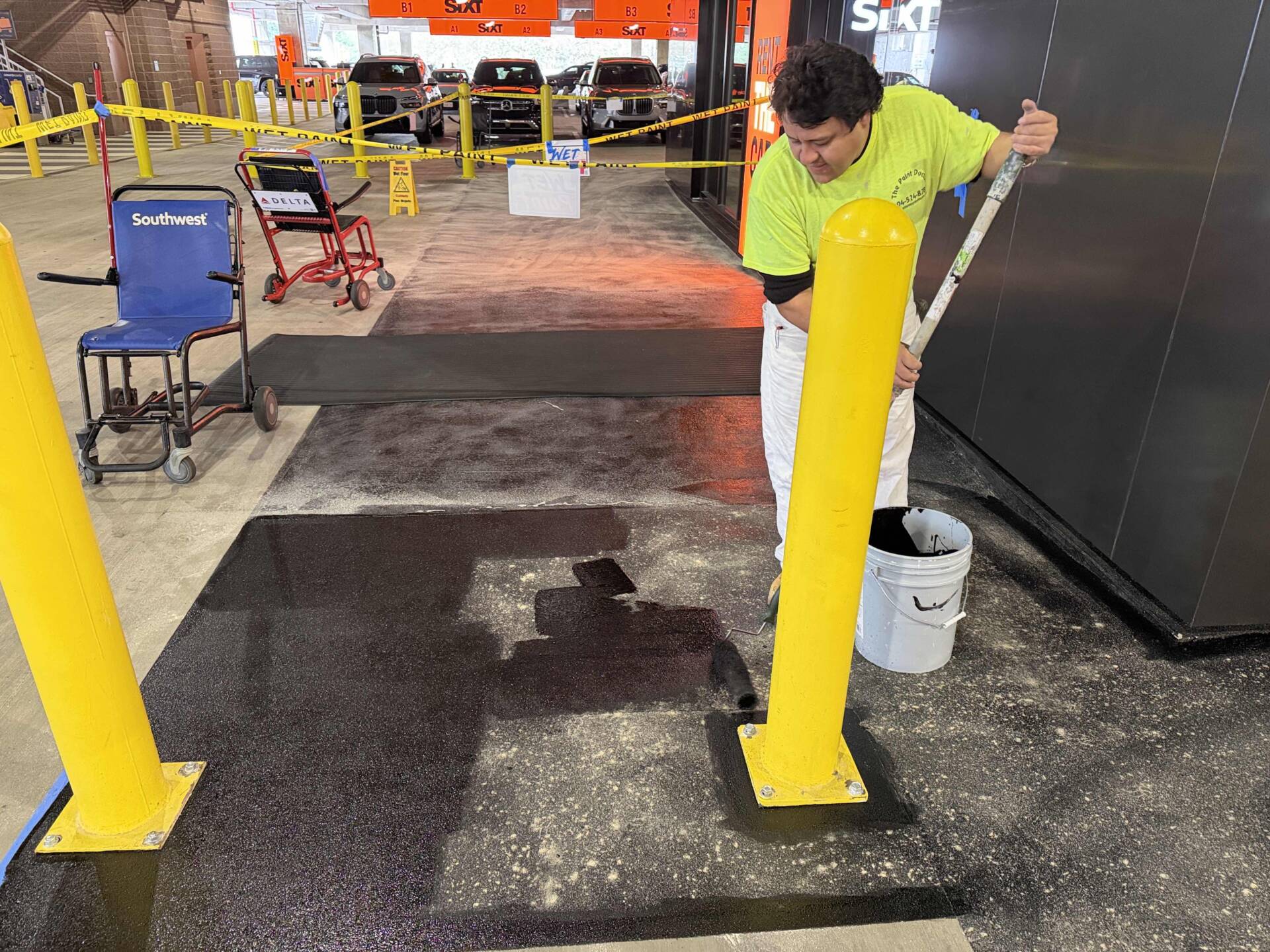
Materials arriving late can bring an otherwise well-organized painting project to a standstill. Project managers therefore coordinate paint, primers, tools, ladders, lifts, protective materials, and other equipment before each phase begins.
Preventing Material Delays
Good painting project management involves anticipating material requirements instead of waiting until supplies run low. Managers review the project schedule and make sure the appropriate products are available before crews reach each stage.
This is particularly important for large commercial projects where substantial quantities of paint and specialized coatings may be required.
Managing Equipment Availability
Some large painting jobs require lifts, scaffolding, sprayers, or other specialized equipment. Scheduling these resources alongside the painting crews helps prevent situations where workers are ready to begin but cannot access the areas they need to paint.
Maintaining Clear Communication
Communication is one of the most important elements of successful painting project management. Large projects may involve property owners, facility managers, general contractors, painters, suppliers, and other trades.
Project managers serve as a central point of communication, keeping everyone informed about progress, upcoming work, schedule changes, and potential concerns.
Regular communication also makes it easier to identify problems early. If a surface requires unexpected repairs or another contractor changes its schedule, the painting team can adjust before the issue creates a larger delay.
Managing Surface Preparation Before Painting
Preparation can have a significant impact on the project timeline. Skipping or underestimating preparation may seem like a way to save time, but it often leads to poor results and additional work later.
Identifying Problems Early
Project managers assess the condition of surfaces before painting begins. Peeling coatings, cracks, damaged drywall, moisture-related issues, and other problems may require attention before the first coat is applied.
Identifying these conditions early allows the schedule to account for necessary repairs rather than forcing the crew to stop unexpectedly.
Keeping Preparation Moving
Efficient painting project management ensures preparation work is organized alongside the overall schedule. Crews can work through designated areas systematically so that completed sections are ready for painting while other areas are still being prepared.
This approach helps maintain steady progress throughout the project.
Monitoring Progress Throughout the Job
A schedule is only useful when someone actively monitors it. Project managers track completed work against the original timeline and identify whether the project is ahead, on track, or falling behind.
If a particular phase takes longer than expected, adjustments can be made to staffing, sequencing, or daily workloads. This proactive approach is a core part of painting project management because it gives the team an opportunity to address delays before they affect the final completion date.
Handling Unexpected Delays
Even the best-planned painting projects can encounter unexpected issues. Weather, hidden surface damage, material availability, site access restrictions, or changes requested by the client can affect the schedule.
Experienced project managers build flexibility into the timeline where possible. When an issue arises, they determine what work can continue elsewhere rather than allowing the entire project to stop.
This adaptability is another reason professional painting project management is valuable on large jobs. The goal is not to assume everything will go perfectly, but to have a plan for keeping the project productive when conditions change.
Conducting Quality Checks Without Slowing the Project
Quality control is also built into the schedule. Project managers inspect completed areas throughout the job instead of waiting until the very end to identify problems.
Checking coverage, consistency, clean lines, surface preparation, and finish quality as sections are completed allows corrections to happen while crews and equipment are already on-site.
This combination of quality control and scheduling keeps small issues from becoming larger delays.
Choose Socium Coatings for Professional Painting Project Management
Large painting projects need more than a crew with brushes and rollers. They require organized scheduling, reliable communication, careful preparation, and consistent quality control from start to finish. Socium Coatings brings a professional approach to painting project management, helping keep large-scale projects organized, efficient, and moving toward completion as planned.
Partner with Socium Coatings for dependable project coordination, skilled workmanship, and a team committed to delivering your painting project efficiently and professionally. Contact us today to discuss your upcoming project and get started.




Leave A Comment