
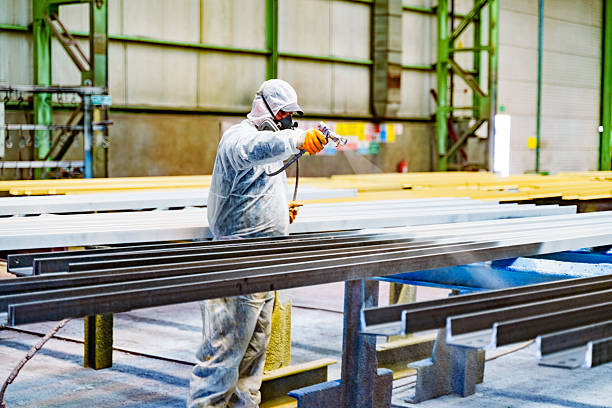
Manufacturing facilities face demanding operating conditions every day. From chemical exposure and heavy equipment to moisture, abrasion, temperature changes, and constant foot traffic, industrial surfaces must withstand far more than those found in typical commercial buildings. For property managers, maintaining these environments means choosing finishes that do more than improve appearance. They must also protect floors, walls, equipment areas, and other surfaces from premature deterioration.
This is where chemical-resistant coatings become an important part of facility maintenance. When properly selected and applied, these coatings can help protect industrial surfaces against aggressive substances while supporting safer, cleaner, and more durable work environments. Understanding how they work and where they are most useful can help property managers make better decisions about long-term facility maintenance.
What Are Chemical-Resistant Coatings?
Chemical-resistant coatings are specialized protective finishes designed to withstand exposure to chemicals that can damage conventional paints and surface finishes. Depending on the product and application, they may resist substances such as solvents, oils, acids, alkalis, cleaning agents, and other industrial chemicals.
Unlike standard architectural paint, these coatings are formulated with demanding industrial environments in mind. Their resistance characteristics vary depending on the coating chemistry, the chemical involved, concentration, temperature, exposure time, and substrate.
For property managers, this means choosing a coating should never be based solely on color or general durability. The coating must suit the specific conditions in the facility.
Why Manufacturing Facilities Need Chemical Protection
Manufacturing operations can expose building surfaces to substances that gradually break down ordinary coatings. Even small spills or repeated cleaning can contribute to discoloration, softening, peeling, cracking, or other forms of coating failure.
Protecting Floors and High-Traffic Areas
Industrial floors are particularly vulnerable because they may experience chemical spills, equipment movement, forklifts, impact, and frequent cleaning. A properly specified coating system can add a protective layer over the underlying concrete or other substrate.
Chemical-resistant coatings can be particularly valuable in areas where spills are more likely, helping reduce the potential for chemicals to penetrate and deteriorate the surface.
Supporting Easier Maintenance
Manufacturing environments often require frequent cleaning to maintain operational and safety standards. A durable coating can create a smoother, more resilient surface that is easier to clean and maintain than an unprotected or deteriorating substrate.
This can help property managers reduce ongoing maintenance demands while keeping facility surfaces looking professional.
Understanding Industrial Paint Systems for Manufacturing Facilities
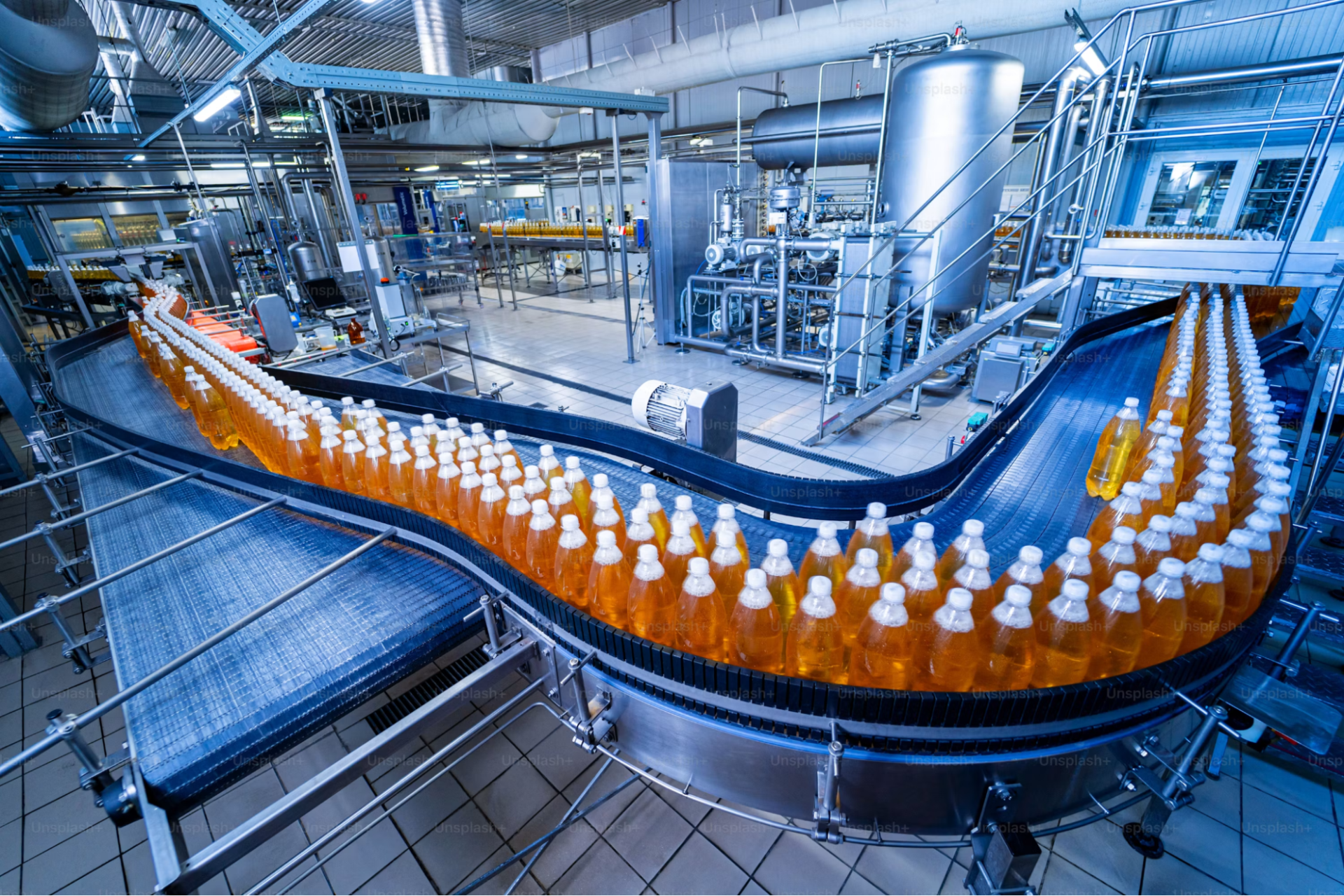
Selecting industrial paint systems for manufacturing environments requires more than choosing a product labeled “industrial.” The system needs to be matched to the facility’s operating conditions and the surface being coated.
An industrial coating system may involve multiple stages, including surface preparation, priming, intermediate coatings, and a final protective layer. Each component contributes to the overall performance of the finished system.
Surface Preparation Comes First
Even the highest-performing coating can fail when applied over an improperly prepared surface. Dirt, grease, oil, rust, loose coatings, moisture, and other contaminants can interfere with adhesion.
Professional surface preparation may involve cleaning, mechanical preparation, removal of failing coatings, or other techniques appropriate for the substrate. This step is critical because the performance of chemical-resistant coatings depends heavily on proper adhesion.
Different Surfaces Require Different Approaches
Concrete floors, steel structures, walls, machinery areas, and other substrates do not necessarily require the same coating system. Their exposure levels and physical demands can differ significantly.
For this reason, industrial paint systems for manufacturing facilities should be selected according to the substrate, operating environment, expected chemical exposure, traffic levels, and maintenance requirements.
Where Chemical-Resistant Coatings Can Be Used
Manufacturing facilities contain many areas where protective coatings can provide value. Production floors, processing areas, chemical storage zones, maintenance spaces, loading areas, and equipment rooms may all face different forms of exposure.
Production and Processing Areas
Production areas may experience repeated contact with oils, solvents, chemicals, or cleaning solutions. In these locations, the appropriate chemical-resistant coatings can help protect surfaces from deterioration associated with regular exposure.
Chemical Storage and Handling Areas
Areas used for chemical storage or handling require particularly careful consideration. The coating must be compatible with the substances present and the conditions under which exposure may occur.
Property managers should work with qualified coating professionals to identify the appropriate system rather than assuming one coating will resist every chemical.
What Property Managers Should Consider Before Choosing a Coating
The right coating depends on the facility’s specific requirements. Property managers should consider what chemicals are present, how frequently surfaces are exposed, whether exposure involves spills or continuous contact, and how much physical traffic the area receives.
Temperature and moisture conditions also matter. Some industrial environments experience significant temperature fluctuations or high humidity, which can affect coating performance.
The condition of the existing substrate is another important consideration. If concrete is cracked, contaminated, excessively damp, or otherwise compromised, those issues may need to be addressed before coating application.
Chemical Compatibility Matters
Not all chemical-resistant coatings offer the same level of protection. A coating that performs well against one substance may not provide the same resistance against another.
Understanding the facility’s chemical exposure profile allows contractors to recommend a system with appropriate resistance characteristics instead of relying on a generic solution.
The Importance of Professional Application
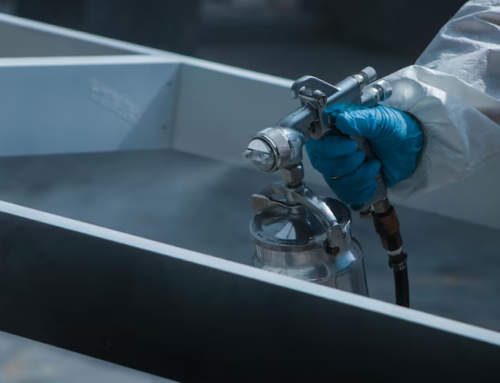
Industrial coating projects require careful planning and execution. Environmental conditions, surface preparation, mixing, application thickness, curing time, and compatibility between coating layers can all influence the finished result.
Professional contractors experienced with industrial paint systems in manufacturing environments can evaluate the facility, identify potential problem areas, and develop an application approach suited to the operating conditions.
Proper installation can also help property managers avoid premature coating failure and the disruption associated with having to redo an industrial coating project.
Planning for Long-Term Facility Performance
For property managers, chemical-resistant coatings should be viewed as part of a broader facility maintenance strategy rather than simply a cosmetic upgrade. Protecting surfaces early can help limit deterioration and maintain the condition of important operational areas.
Regular inspections can also help identify chips, cracks, peeling, or other coating damage before problems become more extensive. When maintenance is planned proactively, property managers can better coordinate repairs around production schedules and minimize operational disruptions.
A well-planned industrial paint systems manufacturing strategy can therefore contribute to more durable surfaces, more predictable maintenance, and better long-term facility management.
Protect Your Manufacturing Facility With Socium Coatings
When manufacturing environments demand durable protection, Socium Coatings delivers specialized coating solutions designed to handle demanding industrial conditions. From chemical exposure and heavy traffic to frequent cleaning and everyday wear, the right chemical-resistant coatings can help protect critical surfaces and support long-term facility performance. Socium Coatings can help property managers identify coating solutions suited to their facility’s specific needs, with professional application and attention to surface preparation.
Contact Socium Coatings today to discuss your project and find the right industrial paint systems manufacturing solution for your facility.




Leave A Comment