
Choosing the right wall finish can influence the appearance, maintenance requirements, and longevity of a commercial interior. While paint remains a popular choice for offices, healthcare facilities, hotels, and other commercial properties, wallcoverings offer additional design possibilities and practical benefits. The right option depends on how the space is used, the look you want to achieve, and the maintenance your facility requires.
For property managers, facility managers, and commercial building owners, understanding the differences between paint and wallcoverings can help inform renovation decisions. Professional commercial wallcovering installation can create a distinctive, durable finish, while paint may offer a simpler solution for spaces that need frequent color changes or straightforward maintenance.
What Is the Difference Between Commercial Wallcovering and Paint?
Paint creates a finish by applying one or more coats of coating directly to a prepared surface. It is available in a wide range of colors and sheens, making it suitable for everything from back offices to large commercial corridors. Painted walls can also be refreshed periodically without requiring a complete interior redesign.
Wallcoverings, on the other hand, are applied to walls as sheets or panels of decorative material. Options include vinyl, fabric, and specialty coverings, each offering different textures, patterns, and visual effects. Commercial wallcovering installation requires careful material selection, surface preparation, and precise application to achieve a consistent, professional result.
Although both options can improve commercial interiors, they serve different purposes. Paint generally provides a more uniform appearance, while wallcoverings can introduce patterns, textures, and finishes that are difficult to replicate with paint alone.
What Are the Benefits of Commercial Wallcovering Installation?
Greater Design Flexibility
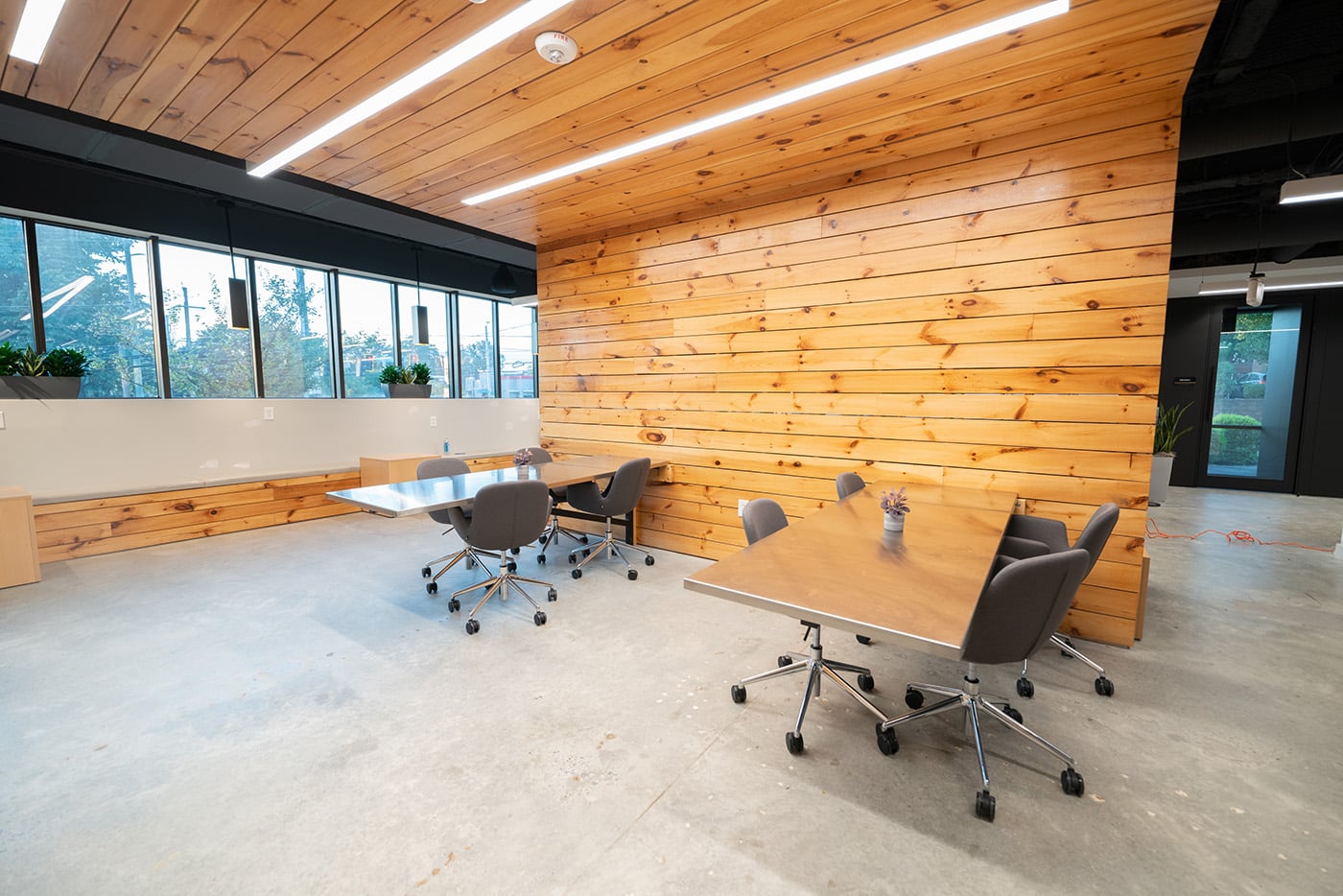
Wallcoverings provide commercial properties with a broader range of decorative possibilities. Textured finishes, geometric patterns, subtle fabric effects, and custom-looking designs can help create interiors that reflect a company’s identity and the intended atmosphere of a space.
In reception areas, conference rooms, hospitality settings, and executive offices, wallcoverings can create visual interest without requiring extensive architectural changes. Commercial wallcovering installation can also help distinguish specific areas within a building, such as a reception desk, meeting space, or guest lounge.
Paint remains an effective choice when simplicity and consistency are the priorities. However, when a project calls for more distinctive finishes, wallcoverings offer additional options for achieving the desired look.
Durability in Busy Commercial Environments
Commercial spaces experience different levels of daily wear. Corridors, waiting rooms, offices, and shared areas may be exposed to frequent contact, scuffing, and general use. Certain commercial-grade wallcoverings, particularly appropriately specified vinyl products, can provide a durable surface suited to demanding environments.
Durability depends on the product, installation quality, substrate condition, and maintenance practices. Not every wallcovering is designed for every environment, so facility managers should consider the manufacturer’s specifications before selecting a material.
Professional commercial wallcovering installation helps ensure that the chosen material is applied correctly, with attention to seams, edges, and surface conditions. This can help reduce installation defects and support the intended service life of the finish.
Texture and Visual Depth
Paint can transform a room through color, sheen, and carefully selected combinations. Wallcoverings introduce another dimension through texture and pattern, allowing commercial interiors to feel more distinctive without changing the underlying structure.
Fabric-effect wallcoverings can create a softer visual appearance in offices and hospitality spaces, while patterned vinyl coverings may suit selected feature walls or high-visibility areas. The best choice depends on the design objectives, expected traffic, and practical requirements of the building.
When Is Paint the Better Choice for Commercial Interiors?
Straightforward Maintenance and Repainting
Paint can be a practical option for facilities that require regular touch-ups, frequent color changes, or a consistent finish across large wall areas. Small damaged sections may be easier to repair and repaint, although achieving a perfect color match can depend on the age and condition of the existing coating.
For commercial properties with changing tenants or evolving branding requirements, repainting can provide a relatively straightforward way to refresh interiors. It can also be a suitable option when the existing walls need a simple, clean finish rather than a decorative treatment.
Flexible Color Selection
Paint offers an extensive range of colors, making it useful for organizations that need to maintain specific brand colors or coordinate different areas of a building. From neutral office interiors to bold accent walls, paint allows property managers and designers to update a space without selecting a new wallcovering material.
However, paint does not automatically offer lower lifetime costs. Surface preparation, the number of coats required, labor, access requirements, and the frequency of future maintenance all affect the overall investment.
Commercial Wallcovering Installation vs. Painting: What Should You Consider?
Initial Cost and Long-Term Value
The cost of either finish depends on the size of the project, the condition of the walls, the selected materials, and the complexity of the work. Paint may have a lower initial material cost in many situations, while specialty wallcoverings can require a greater investment in materials and skilled installation.
Commercial wallcovering installation should be evaluated in the context of the property’s long-term needs rather than its upfront price alone. A suitable wallcovering may deliver the desired appearance and performance over an extended period, while a painted surface may be more economical when routine repainting is already part of the maintenance plan.
The most useful comparison considers installation costs alongside expected maintenance, potential repairs, material lifespan, and the impact of future renovation work.
Surface Preparation and Installation Requirements
Both paint and wallcoverings require properly prepared surfaces. Painted finishes may need cleaning, patching, sanding, and priming to achieve a smooth and consistent result. Wallcoverings can require even more attention to substrate condition because imperfections may affect adhesion, alignment, or the finished appearance.
During commercial wallcovering installation, contractors must account for the wall’s condition, the selected material, adhesive requirements, pattern alignment, and the manufacturer’s installation instructions. Poor preparation can contribute to bubbling, lifting edges, visible seams, and other defects.
Removing an existing wallcovering may also reveal damage or residue that needs to be addressed before a new finish is applied. Including this work in the project plan helps establish realistic expectations for cost and scheduling.
Disruption to Business Operations
Commercial renovations often need to take place while employees, tenants, customers, or visitors continue using the building. The installation method, work area, drying or curing requirements, and access restrictions can all influence how much disruption a project causes.
Commercial wallcovering installation and painting should therefore be scheduled around the property’s operating requirements whenever possible. Depending on the project, work may be phased by room, floor, or department to help keep unaffected areas accessible.
Facility managers should discuss scheduling, preparation, material handling, and site coordination with their contractor before work begins. Clear planning can make the renovation easier to manage and reduce avoidable interruptions.
Refresh Your Commercial Interiors with Socium Coatings
A well-planned wall finish can improve the appearance of a commercial space while supporting its practical maintenance needs. Whether your property requires a complete wallcovering replacement, a decorative upgrade, or a combination of painted and covered surfaces, selecting the right materials and installation approach is essential.
Socium Coatings provides professional wallcovering installation and removal services for commercial interiors, working with vinyl, fabric, and specialty coverings to achieve finishes suited to the space and its intended use.
If you are planning a commercial renovation or updating the interiors of your facility, contact Socium Coatings to discuss your wallcovering installation requirements and request a free estimate.




Leave A Comment