
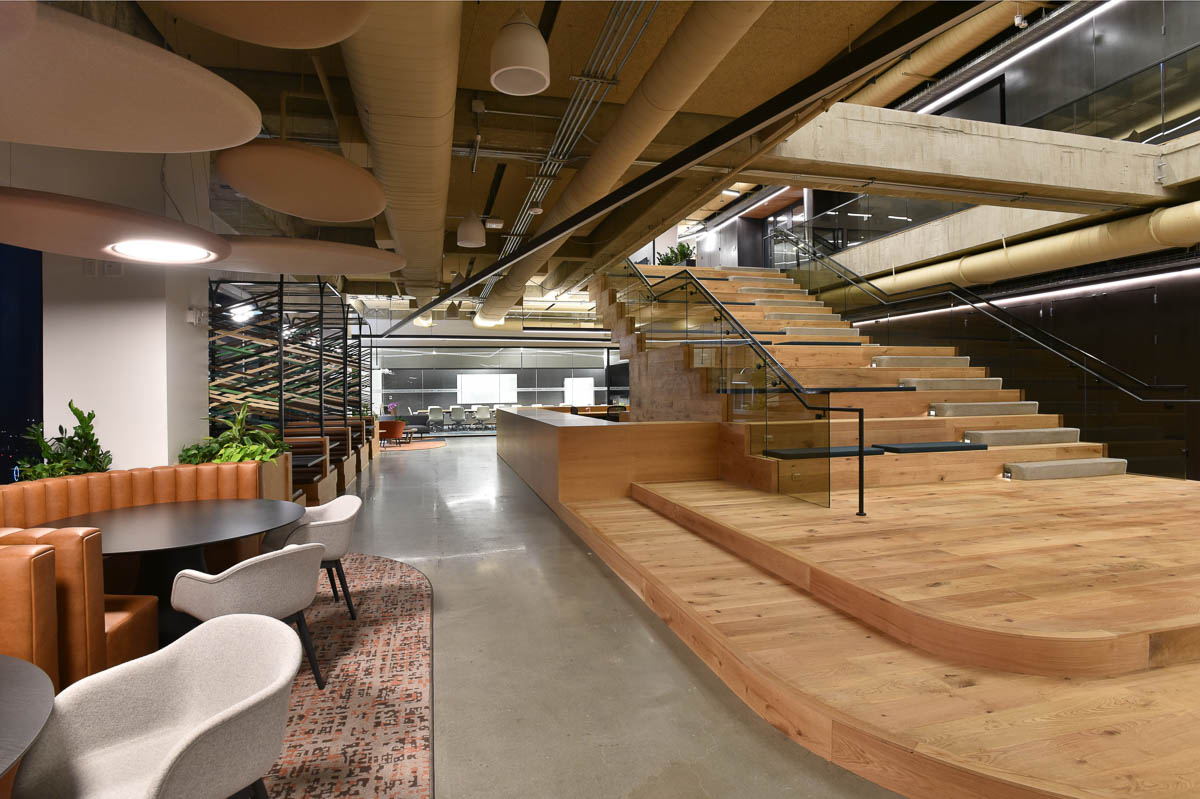
A painting project can become complicated quickly when hundreds of employees, delivery schedules, and occupied workspaces share the same building. Facility managers need clear answers about access, timing, surface repairs, and when each area can return to normal use.
Commercial painting contractors address these questions before crews arrive. For Atlanta property owners, choosing a commercial painting company with a detailed planning process helps establish realistic expectations and keep daily operations moving. The quality of that planning often becomes visible in the smallest details: an accessible loading dock, a protected workstation, or a hallway reopened on schedule.
What Commercial Painting Contractors Evaluate Before Pricing
An initial walkthrough gives the project team a practical understanding of the building. Measurements matter, but surface conditions and access restrictions can have just as much influence on the proposal.
Existing surface conditions: Commercial painting contractors inspect peeling coatings, damaged drywall, rusted metal, and other areas that may require preparation or repairs. Moisture-related damage needs investigation before it is covered.
How the facility operates: A commercial painting company asks about working hours, deliveries, visitor traffic, and spaces that must remain available. These conversations help identify potential scheduling conflicts.
Access and equipment needs: High ceilings, exterior elevations, and tightly arranged equipment can affect how crews reach a surface. Lift access, equipment routes, and available clearance should be reviewed early.
Scope and budget expectations: The proposal should identify included surfaces, preparation requirements, coating systems, and exclusions. Written details make it easier to compare bids and understand proposed costs.
Organizing the Work Around Daily Operations
Dividing the Building Into Manageable Phases
Commercial painting contractors often divide large properties into work zones. An office floor might be completed in sections, while a warehouse project could follow designated aisles or production areas.
A commercial painting company should explain how each phase affects access and occupancy. The schedule needs to include preparation, painting, drying, and any required curing time. Facility managers can then arrange temporary workspace changes and notify affected teams before work begins.
Matching Work Hours to Facility Needs
Commercial painting contractors coordinate access windows with the people responsible for the building. A busy reception area may be available after closing, while a storage room could be painted during regular hours.
After-hours work requires its own arrangements, including security access, lighting, supervision, and cleanup. Agreeing on these details early helps prevent crews from arriving without access or leaving an area unavailable when employees return.
Choosing Materials and Preparing Surfaces

Selecting Coatings for Each Environment
A commercial painting company evaluates the demands placed on each surface. Frequently cleaned walls, exposed steel, and exterior masonry may require different coating systems.
Commercial painting contractors review product specifications and compatibility with existing finishes before recommending materials. For exterior projects in Atlanta, application schedules also need flexibility when weather conditions fall outside manufacturer requirements. Coating selection should account for maintenance needs as well as appearance.
Allowing Enough Time for Preparation
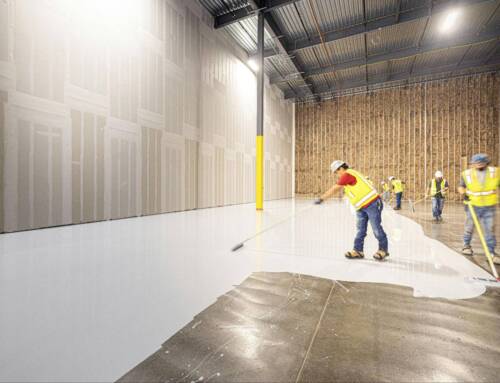
Commercial painting contractors build preparation into the schedule rather than treating it as a minor preliminary task. Cleaning, repairing damaged areas, removing loose coatings, and applying the specified primer help create a suitable surface for painting.
Hidden damage can still appear once preparation begins. Facility managers should receive a clear explanation of the issue, the proposed repair, and any effect on cost or timing before additional work proceeds.
Keeping a Large Facility Project on Track
Several practical checks help maintain progress once painting begins. Responsibilities should be agreed upon before the first work zone is opened.
Site protection: Commercial painting contractors plan coverings and barriers around furnishings, equipment, floors, and nearby surfaces. Protection should suit the work being performed and the activity surrounding it.
Safety and access: A commercial painting company coordinates designated work areas, ventilation needs, signage, and approved access routes with facility leadership.
Progress updates: Brief, regular updates should explain completed work, upcoming phases, and decisions that need attention. This gives managers time to prepare occupants for changes.
Quality checks: Commercial painting contractors inspect preparation and completed coatings throughout the project. A final walkthrough helps identify touch-ups and confirm that the agreed scope has been completed.
Project records: The commercial painting company should provide relevant coating information and care guidance so maintenance teams can plan future cleaning and repairs.
Choose Socium Coatings: Your Trusted Commercial Painting Contractors in Atlanta
Give the next facility painting project a clear starting point. Socium Coatings provides commercial painting, architectural coatings, floor coatings, and maintenance services, with experience dating back to 1999.
Contact Socium Coatings today to discuss the building’s requirements and request a quote from a commercial painting company that values collaboration, quality, and clear communication.



Leave A Comment