

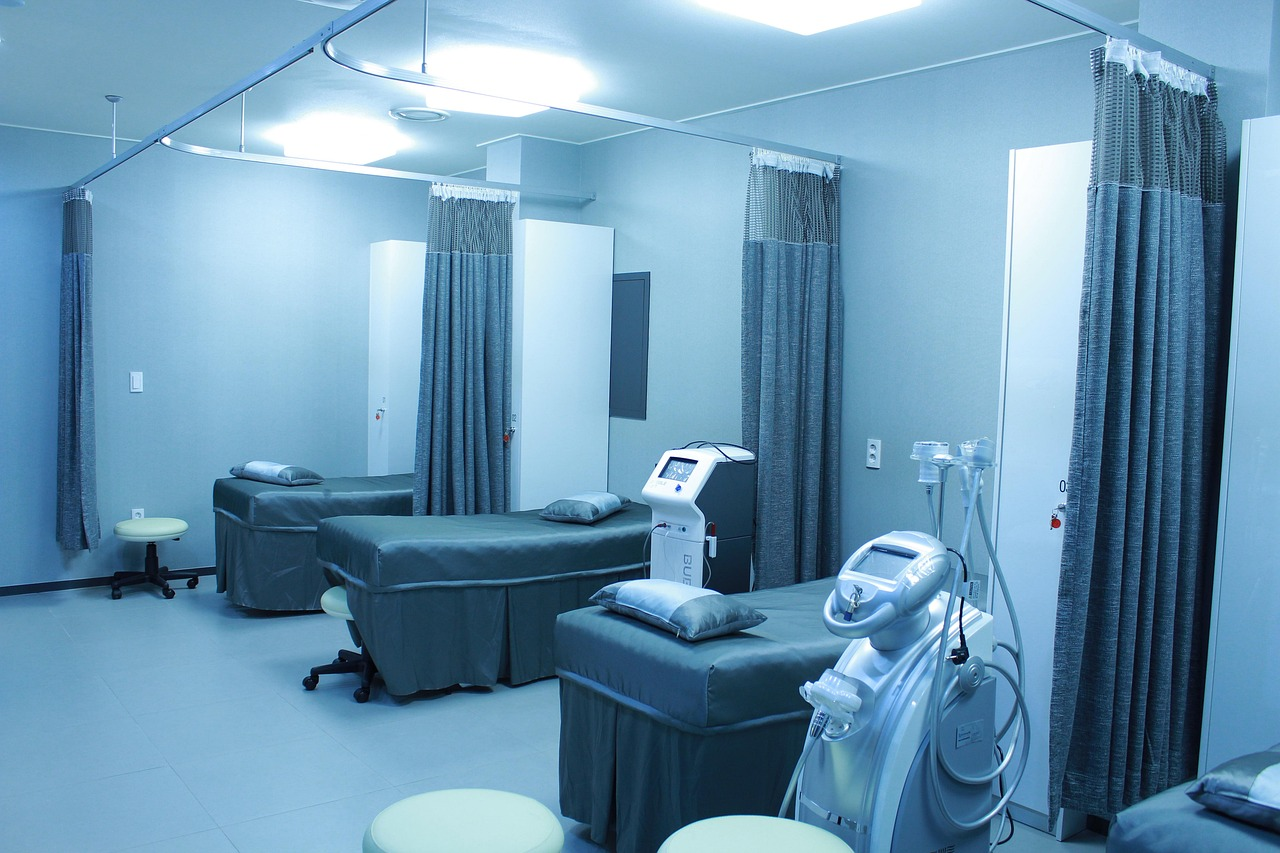
Painting a healthcare facility is very different from painting an empty commercial building. Hospitals, clinics, medical offices, and other healthcare environments often remain operational throughout a renovation or maintenance project. Patients still need care, medical staff need access to work areas, and visitors need to move through the facility safely. This makes careful planning and controlled execution essential.
An experienced hospital painting contractor understands that the goal is not simply to apply a fresh coat of paint. The project must be completed while minimizing interruptions to healthcare operations and maintaining a clean, organized environment. From scheduling work around facility activities to using appropriate preparation and containment procedures, commercial painting professionals can help healthcare facilities achieve quality results without creating unnecessary disruption.
Why Painting Occupied Healthcare Facilities Requires Special Planning
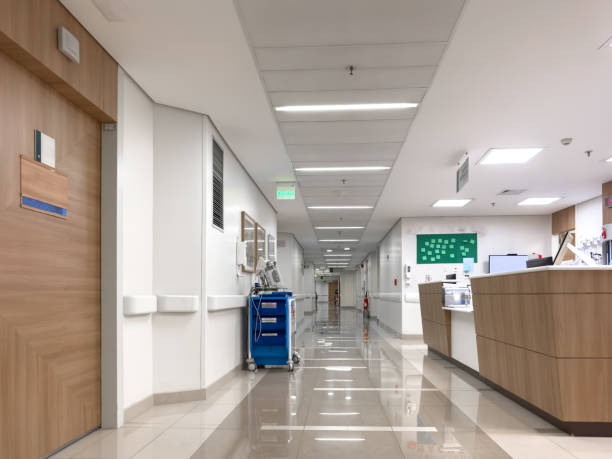
Healthcare environments have unique operational requirements that commercial contractors must consider before work begins. Unlike an unoccupied office or retail space, a hospital may have patients receiving treatment around the clock, staff working continuously, and sensitive equipment operating nearby.
A professional hospital painting contractor begins by evaluating the facility and identifying areas where painting can take place with minimal impact. This may involve dividing the project into smaller phases so that only specific sections are being worked on at a time.
Working Around Patients and Staff
Patient comfort and staff productivity are important considerations during an occupied painting project. Excessive noise, strong odors, blocked hallways, or restricted access can interfere with normal healthcare operations.
Commercial painting teams can coordinate work schedules around the facility’s busiest periods. Depending on the location, certain areas may be painted during evenings, weekends, or other lower-traffic periods. This approach allows contractors to make progress while reducing interference with patients, healthcare professionals, and visitors.
Coordinating With Facility Management
Communication is another critical part of minimizing disruption. Before work begins, the hospital painting contractor can coordinate with facility managers to understand access requirements, operational schedules, security procedures, and areas that require special attention.
A clearly defined project schedule helps everyone understand when particular spaces will be unavailable and when they will be returned to service. This coordination also makes it easier to respond quickly if healthcare operations require a change to the painting schedule.
Controlling Dust, Debris, and Paint Odors
Maintaining a clean environment is particularly important in healthcare settings. Painting preparation can generate dust and debris, while some coatings may produce odors that are undesirable in occupied spaces.
Using Containment and Protection Measures
Professional commercial contractors use protective measures to separate active work areas from surrounding spaces. Floors, furniture, equipment, doors, and other surfaces can be properly covered and protected before preparation and painting begin.
Containment strategies can also help keep dust and debris from migrating into adjacent areas. For an occupied healthcare facility, this level of preparation can make a significant difference in maintaining an orderly environment throughout the project.
Selecting Appropriate Coatings
The choice of paint and coating system can also influence the experience of an occupied facility. A knowledgeable hospital painting contractor can recommend products based on the specific requirements of the space, including durability, cleanability, and the expected level of traffic.
Healthcare walls and other surfaces may require finishes that can withstand frequent cleaning and regular contact. Selecting an appropriate coating helps the newly painted surfaces maintain their appearance while supporting the facility’s ongoing maintenance needs.
Creating a Phased Painting Plan
Large healthcare facilities rarely need to be painted all at once. Breaking the project into manageable phases allows contractors to work systematically while keeping as much of the facility operational as possible.
Prioritizing High-Traffic and Low-Traffic Areas
The project schedule can be structured according to how each space is used. Lower-traffic areas may be completed first, while treatment rooms, corridors, waiting areas, or administrative spaces can be scheduled according to operational needs.
A phased approach gives facility managers greater control over the renovation process. Instead of shutting down large portions of the building, individual sections can be temporarily isolated and returned to use before the team moves to the next area.
Maintaining Access Throughout the Project
Keeping essential routes accessible is another important consideration. Painting crews need to plan carefully around entrances, hallways, elevators, stairways, and other areas that staff and patients rely on.
An experienced hospital painting contractor can adjust the workflow to maintain necessary access while still allowing the painting crew to complete preparation, application, and cleanup efficiently.
Maintaining Professionalism and Cleanliness
In a healthcare environment, the appearance and behavior of the painting crew matter just as much as the finished walls. Contractors working around patients and medical professionals need to maintain a professional presence throughout the project.
Keeping Work Areas Organized
A well-organized work area reduces unnecessary hazards and helps prevent materials and equipment from interfering with facility operations. Painting crews should keep supplies contained, clean up regularly, and ensure that completed areas are ready for normal use before moving forward.
Completing Thorough Cleanup
Cleanup should not be treated as an afterthought. Once painting is complete in an area, the crew should remove protective materials, collect debris, clean the workspace, and leave the area in an orderly condition.
This attention to detail allows healthcare staff to resume normal activities with minimal interruption.
Choose Socium Coatings for Your Healthcare Painting Project
Painting an occupied healthcare facility requires careful planning, reliable communication, and a commercial painting team that understands the importance of minimizing disruption. Socium Coatings provides professional commercial painting solutions designed to work around active healthcare environments while maintaining organized work areas, thorough preparation, and quality finishes.
Whether your facility needs a targeted refresh or a larger renovation project, Socium can help create a clear, efficient painting plan that keeps your operations moving. Contact Socium Coatings today to discuss your healthcare painting project and request a detailed quote.





Leave A Comment