


Healthcare environments don’t have the luxury of treating paint as a purely aesthetic choice. Every surface plays a role in patient safety, infection control, and indoor air quality. That’s why the shift toward low-VOC and anti-microbial paint is not just a trend; it’s a non-negotiable standard in modern medical design.
From hospitals and outpatient clinics to long-term care facilities, paint systems must meet strict performance criteria. They need to minimize airborne toxins, resist microbial growth, and withstand aggressive cleaning protocols. Anything less introduces risk where there should be none.
The Hidden Risk of Conventional Paints
Traditional coatings release volatile organic compounds (VOCs) into the air during and after application. In a typical commercial space, that might mean temporary discomfort. In a healthcare setting, it’s a different story entirely.
How VOCs Impact Patient Health
Patients in healthcare facilities are often immunocompromised, recovering from surgery, or dealing with respiratory issues. Exposure to VOCs can trigger headaches, dizziness, nausea, and, in more serious cases, complications in recovery. This is exactly why low-VOC healthcare paint has become essential rather than optional.
Even staff members, who spend long hours in these environments, are affected by prolonged exposure. Poor indoor air quality can reduce productivity, increase fatigue, and create long-term health concerns. Switching to low-VOC paint directly addresses these risks by significantly reducing harmful emissions.
Regulatory Pressure and Compliance
Healthcare construction and renovation projects are governed by strict indoor air quality standards. Using low-VOC paint helps facilities meet these regulations while avoiding costly delays or compliance issues. It’s not just about doing the right thing; it’s about staying operational and audit-ready.
Antimicrobial Coatings: A First Line of Defense
Cleanliness in healthcare isn’t just about wiping surfaces down. It’s about building environments that actively resist contamination. This is where antimicrobial coatings come into play.
Preventing the Spread of Harmful Pathogens
Walls, ceilings, and high-touch surfaces can become breeding grounds for bacteria, mold, and fungi. Antimicrobial additives in low-VOC healthcare paint inhibit the growth of these microorganisms, reducing the risk of healthcare-associated infections (HAIs).
While no coating replaces proper sanitation protocols, antimicrobial low-VOC paint acts as a continuous layer of protection between cleaning cycles. It’s a passive safeguard that works around the clock.
Supporting Infection Control Protocols
Healthcare facilities follow rigorous cleaning routines involving strong disinfectants. Standard paints often degrade under this kind of pressure, leading to peeling, cracking, and surface damage that can harbor bacteria.
High-performance, low-VOC paint systems are designed to withstand frequent cleaning without compromising their integrity. This durability ensures that surfaces remain both hygienic and visually intact over time.
Indoor Air Quality as a Clinical Priority
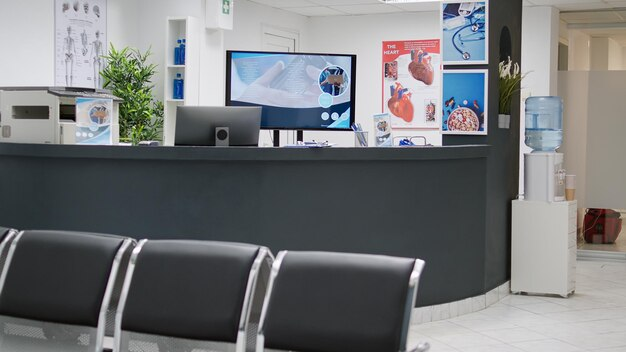
Air quality in healthcare facilities directly influences patient outcomes. It’s not just about comfort, it’s about recovery.
Faster Recovery Through Healthier Environments
Studies consistently show that patients recover faster in environments with clean air and minimal chemical exposure. Using low-VOC paint contributes to a safer healing environment by reducing airborne irritants.
This is especially critical in spaces like intensive care units, neonatal wards, and oncology departments, where patients are most vulnerable. In these settings, every material choice matters, and low-VOC healthcare paint plays a crucial role.
Minimizing Downtime During Renovations
Healthcare facilities rarely have the option to shut down completely for renovations. Strong odors and toxic emissions from traditional paints can render spaces unusable for extended periods.
With low-VOC paint, areas can often be reoccupied much sooner. Reduced odor and faster curing times allow facilities to maintain operations with minimal disruption, which is a major operational advantage.
Balancing Performance with Aesthetics
There’s a misconception that high-performance coatings limit design flexibility. That’s outdated thinking.
Modern Finishes That Meet Clinical Standards
Today’s low-VOC paint systems come in a wide range of colors and finishes, allowing designers to create calming, patient-friendly environments without compromising on safety. From soft neutrals in patient rooms to vibrant tones in pediatric wards, aesthetics and performance can coexist.
Long-Term Value Over Short-Term Savings
Cutting corners on paint might save money upfront, but it often leads to higher maintenance costs, faster deterioration, and increased health risks. Investing in low-VOC paint delivers long-term value through durability, compliance, and improved patient satisfaction.
Choose Socium Coatings for Your Healthcare Painting Project
At Socium Coatings, we bring a precise, system-driven approach to every healthcare project, using advanced low-VOC healthcare paint solutions and antimicrobial coatings that are built for real clinical environments. From infection-control-focused surface prep to durable finishes that withstand constant cleaning, every detail is handled with intention.
Reach out today to plan a healthcare painting strategy that actually holds up under pressure.





Leave A Comment