
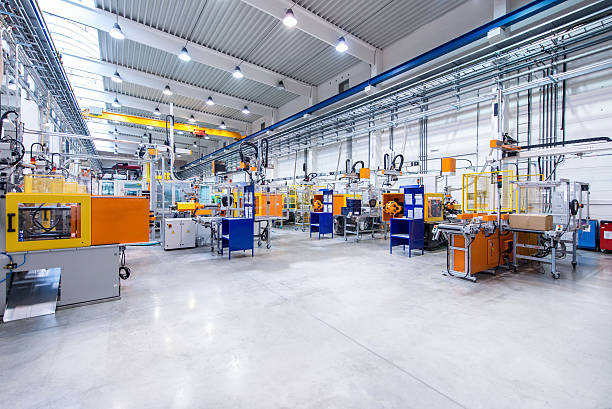
Industrial painting isn’t just about coatings; it’s about control. Control over hazards, environments, and processes that can go sideways fast if safety isn’t baked into every step. When work is being carried out in active facilities (where machinery is running, employees are moving, and production can’t pause), the stakes climb significantly. This is where industrial painting compliance becomes more than a checkbox; it becomes the backbone of the entire operation.
Contractors working in these environments must align their practices with regulations set by the Occupational Safety and Health Administration (OSHA), ensuring that safety protocols don’t disrupt productivity but instead protect both workers and operations.
Understanding OSHA’s Role in Industrial Painting
Why Compliance Isn’t Optional
OSHA standards are designed to minimize workplace hazards, but in active industrial environments, they also serve another purpose: preventing costly downtime. A single safety incident can halt operations, trigger investigations, and damage long-term client relationships.
This is why industrial painting compliance must be integrated from the planning stage. Contractors are expected to assess risks tied to confined spaces, hazardous materials, ventilation, and fall protection before a single surface is prepped. Skipping this step isn’t just careless; it’s expensive.
Key OSHA Standards That Apply
Several OSHA regulations directly impact industrial painting operations. These include standards related to respiratory protection, hazard communication, scaffolding safety, and personal protective equipment. Each of these areas plays a role in maintaining industrial painting compliance within high-risk environments.
For example, coatings often contain volatile organic compounds (VOCs), which require proper ventilation and respiratory safeguards. OSHA mandates that contractors identify exposure risks and implement control measures, ensuring industrial painting compliance is maintained without compromising worker health.
Navigating Active Work Environments
Coordinating with Ongoing Operations
Painting in an active facility is a logistical puzzle. Production schedules, employee movement, and equipment usage all need to be factored in. Contractors must work closely with facility managers to create a phased plan that ensures industrial painting compliance while minimizing disruption.
This often means scheduling work during off-peak hours, isolating work zones, or using fast-curing coatings that reduce downtime. Without this coordination, even a well-intentioned project can interfere with operations and create safety risks.
Managing Hazard Zones Effectively
Active industrial sites are full of potential hazards: moving machinery, electrical systems, and high-traffic areas. Establishing controlled work zones is critical. Barriers, signage, and restricted access areas help maintain industrial painting compliance and prevent accidental exposure to ongoing work.
Contractors must also ensure that all personnel on-site, including facility employees, are aware of painting activities and associated risks. Communication isn’t optional here; it’s part of maintaining a compliant and safe environment.
Worker Safety and Training Requirements
Proper Use of Personal Protective Equipment
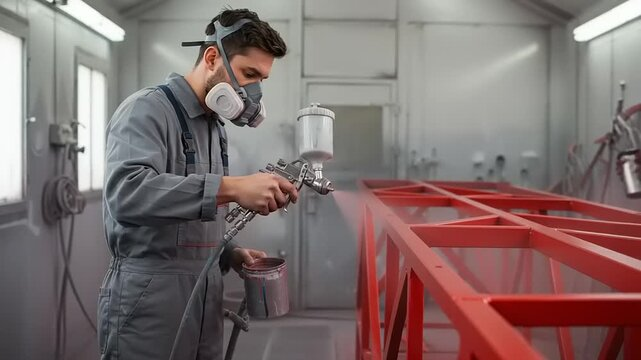
Personal protective equipment (PPE) is one of the most visible aspects of OSHA compliance, but simply wearing it isn’t enough. Workers must be trained to use PPE correctly and consistently. This includes respirators, gloves, eye protection, and protective clothing tailored to the specific coating systems being used.
Ensuring proper PPE usage is a core component of industrial painting compliance, especially in environments where airborne particles and chemical exposure are common.
Training That Matches the Environment
Every industrial facility is different, and training must reflect that. Workers need to understand site-specific risks, emergency procedures, and equipment operation protocols. Generic safety training won’t cut it in a facility where variables change daily.
Ongoing training ensures that industrial painting compliance is not just a one-time effort but a continuous process. Contractors who invest in this tend to deliver smoother projects with fewer incidents.
Surface Preparation and Material Handling Safety
Controlling Dust and Contaminants
Surface preparation often involves abrasive blasting, sanding, or chemical cleaning—all of which can release hazardous particles into the air. OSHA requires strict controls to manage these risks, including dust containment systems and proper ventilation.
Maintaining industrial painting compliance during preparation is just as important as during application. If contaminants spread beyond controlled areas, they can affect both worker safety and facility operations.
Safe Storage and Handling of Coatings
Industrial coatings are not harmless. Many are flammable, toxic, or reactive under certain conditions. Proper storage, labeling, and handling are essential to maintaining industrial painting compliance.
Contractors must follow hazard communication standards, ensuring that safety data sheets (SDS) are accessible and that workers understand how to handle each product safely. This reduces the risk of spills, exposure, and fire hazards.
Ventilation and Air Quality Control
Maintaining Safe Airflow in Confined Spaces
Poor ventilation can turn a routine painting job into a serious hazard. In confined or enclosed spaces, fumes can build up quickly, creating dangerous conditions for workers. OSHA requires proper ventilation systems to maintain safe air quality levels.
Implementing effective airflow strategies is a critical part of industrial painting compliance, particularly in facilities where natural ventilation is limited.
Monitoring Exposure Levels
Air quality monitoring is not optional in high-risk environments. Contractors must measure exposure levels to ensure they remain within OSHA limits. This data-driven approach reinforces industrial painting compliance and provides documentation that can protect both contractors and facility owners in case of audits.
The Cost of Cutting Corners
Ignoring OSHA standards might seem like a shortcut, but it’s a shortcut straight to liability. Fines, project delays, and reputational damage can quickly outweigh any perceived savings.
More importantly, failing to maintain industrial painting compliance puts lives at risk. In active industrial facilities, where hazards are already present, adding uncontrolled risks is a gamble no contractor should take.
Choose Socium Coatings for Your Next Industrial Painting Project
At Socium Coatings, we approach every project with a strict commitment to industrial painting compliance, aligning OSHA standards with real-world execution inside active facilities. From detailed pre-project planning to controlled application and air-quality management, every step is engineered to protect your people, your operations, and your bottom line.
If you’re looking for a team that delivers durable results without cutting corners, contact Socium Coatings today.


Leave A Comment