
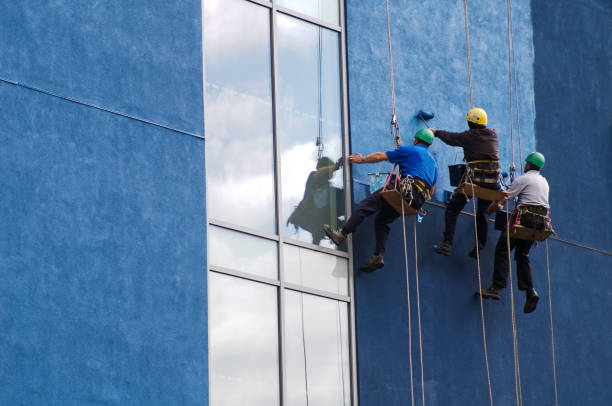
A commercial building’s exterior does much more than create a positive first impression. It protects the structure from weather, moisture, ultraviolet rays, pollution, and everyday wear while reinforcing the company’s professional image. However, no paint system is designed to last forever. Every commercial exterior painting project goes through a predictable lifecycle, from surface preparation and application to gradual aging and eventual repainting.
Understanding this lifecycle helps property owners, facility managers, and business operators make informed maintenance decisions that protect both their investment and their property’s appearance.
Understanding the Lifecycle of Commercial Exterior Painting
Every commercial exterior painting system follows a series of stages. The lifespan depends on the quality of the products used, the preparation completed before painting, environmental conditions, and ongoing maintenance.
When each stage is managed properly, a commercial property can enjoy years of protection before another repaint becomes necessary.
Stage One: Surface Preparation Sets the Foundation
Every successful commercial exterior painting project begins long before the first coat is applied. Surface preparation is often the most important step because even premium coatings cannot perform properly if applied over dirt, loose paint, rust, or damaged substrates.
Professional contractors inspect the building for peeling coatings, moisture issues, cracks, corrosion, mildew, and other surface defects. Cleaning methods such as pressure washing, sanding, scraping, and spot repairs create a stable surface that allows new coatings to bond effectively.
Skipping proper preparation often shortens the lifespan of an otherwise high-quality paint system.
Stage Two: Priming for Long-Term Performance
After preparation comes priming. While not every surface requires the same primer, selecting the correct product creates a stronger bond between the building material and the finish coats.
Metal, concrete, masonry, stucco, wood, and previously painted surfaces each require different primers to maximize durability. A properly selected primer improves adhesion, seals porous materials, and provides additional resistance against moisture and corrosion.
This stage ensures the commercial exterior painting system begins with the strongest possible foundation.
The Application Phase
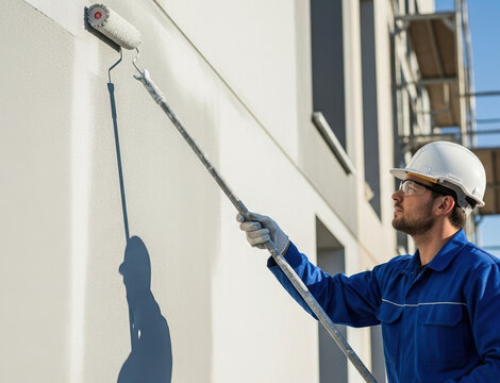
Once surfaces have been prepared and primed, finish coats are applied according to manufacturer specifications. Temperature, humidity, wind conditions, and curing times all influence the final result.
Professional painters carefully monitor weather conditions because coatings applied under unsuitable conditions may experience adhesion problems, blistering, or premature failure.
Multiple coats are typically applied to achieve consistent coverage, color retention, and maximum protection. A properly installed commercial exterior painting system forms a durable barrier that protects the building against environmental exposure.
Choosing High-Performance Coatings
Not every coating performs the same way. Commercial facilities often require specialized products designed for specific environmental conditions.
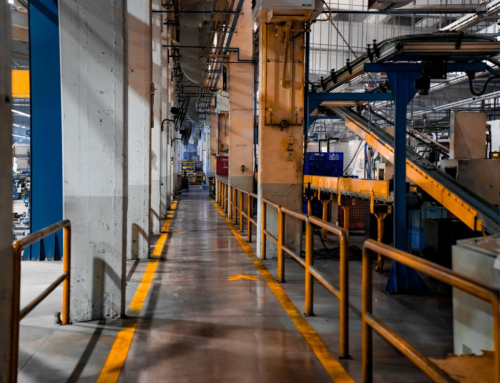
Acrylic coatings offer excellent UV resistance and color retention, while elastomeric coatings help bridge small cracks on masonry surfaces. Industrial facilities may benefit from epoxy or polyurethane systems that withstand chemical exposure and heavy wear.
Selecting the right coating significantly influences how long commercial exterior painting continues protecting the building.
The Protection Stage
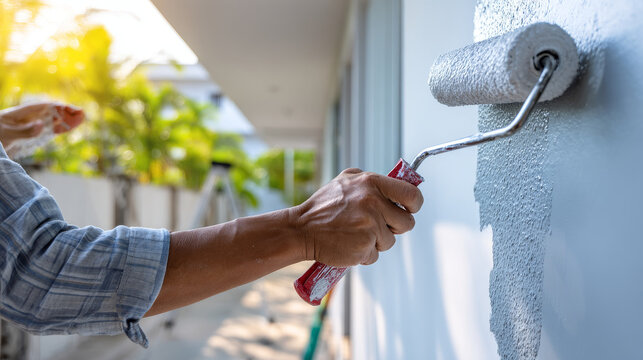
Once fully cured, the paint system enters its longest phase: active protection.
During this period, the coating continuously shields the building from sunlight, rainfall, temperature fluctuations, airborne contaminants, and everyday environmental stress. At the same time, it helps preserve curb appeal by maintaining a clean, professional appearance.
A well-maintained commercial exterior painting system also contributes to lower maintenance costs because it protects the underlying building materials from premature deterioration.
Environmental Factors That Accelerate Aging
Even premium coatings slowly degrade over time.
Buildings exposed to intense sunlight experience gradual UV breakdown that causes fading and chalking. Heavy rainfall, snow, freeze-thaw cycles, coastal salt exposure, pollution, and wind-driven debris all place additional stress on exterior coatings.
Commercial buildings with southern or western exposure often show wear sooner because those walls receive more direct sunlight throughout the day.
Understanding these environmental factors allows owners to schedule maintenance before major failures occur.
Signs the Paint System Is Reaching the End of Its Life
Eventually, every commercial exterior painting system begins showing visible signs of deterioration.
Fading colors, chalky residue, cracking, peeling, bubbling, blistering, exposed substrate, rust stains, and persistent mildew may indicate the protective coating is losing effectiveness.
Minor cosmetic issues can often be addressed through localized maintenance, but widespread deterioration usually signals that repainting should be planned before structural damage develops.
Routine inspections help identify these warning signs early, allowing property owners to budget for repainting instead of facing unexpected repairs.
Preventative Maintenance Extends Service Life
The lifespan of a paint system can often be extended through proactive maintenance.
Regular washing removes dirt and pollutants before they damage the coating. Promptly sealing cracks prevents moisture intrusion, while repairing isolated damage keeps small problems from spreading across larger sections of the building.
Scheduled inspections every year make it easier to detect issues before they become expensive restoration projects. Preventative care allows commercial exterior painting to continue performing as intended for as long as possible.
Planning for Repainting
No matter how well a building is maintained, repainting eventually becomes necessary.
Rather than waiting until coatings have completely failed, many facility managers develop repaint schedules based on expected coating lifespans, environmental exposure, and routine inspection findings. This proactive approach minimizes business disruption while preserving both aesthetics and structural protection.
Planning ahead also provides more flexibility when selecting contractors, scheduling work during favorable weather, and budgeting for future improvements.
Why Understanding the Paint Lifecycle Matters
Viewing commercial exterior painting as a long-term asset instead of a one-time expense helps property owners make smarter maintenance decisions. Each phase of the lifecycle, from careful preparation and quality application to routine maintenance and timely repainting, contributes to the overall durability of the building.
When every stage receives proper attention, commercial properties remain attractive, protected, and better equipped to withstand years of environmental exposure. Investing in quality materials, skilled workmanship, and ongoing maintenance ensures every commercial exterior painting project delivers maximum value throughout its entire lifecycle.
Choose Socium Coatings for Expert Commercial Painting Services
At Socium Coatings, we understand that your building’s exterior is an investment worth protecting. Our commercial exterior painting services are designed to deliver lasting performance, improve curb appeal, and help extend the life of your property’s paint system. Whether you’re planning a complete repaint or looking for a trusted partner for ongoing maintenance, our experienced team is committed to delivering quality workmanship with minimal disruption to your operations.
Contact us today to schedule a consultation and learn how we can help protect and enhance your commercial property.




Leave A Comment