
Water intrusion can create significant maintenance challenges for commercial buildings, affecting interior finishes, building materials, and day-to-day operations. From leaks around windows to moisture entering through concrete walls, even seemingly minor issues can develop into more extensive damage if left unaddressed. Identifying the source of moisture early is essential for protecting the building and planning appropriate repairs.
Commercial waterproofing problems can arise from deteriorating materials, poor drainage, damaged seals, structural movement, or failures in existing waterproofing systems. For property managers, facility managers, and commercial building owners, understanding these common issues can make it easier to recognize warning signs and determine when professional assessment is necessary.
Common Commercial Waterproofing Problems and Their Solutions
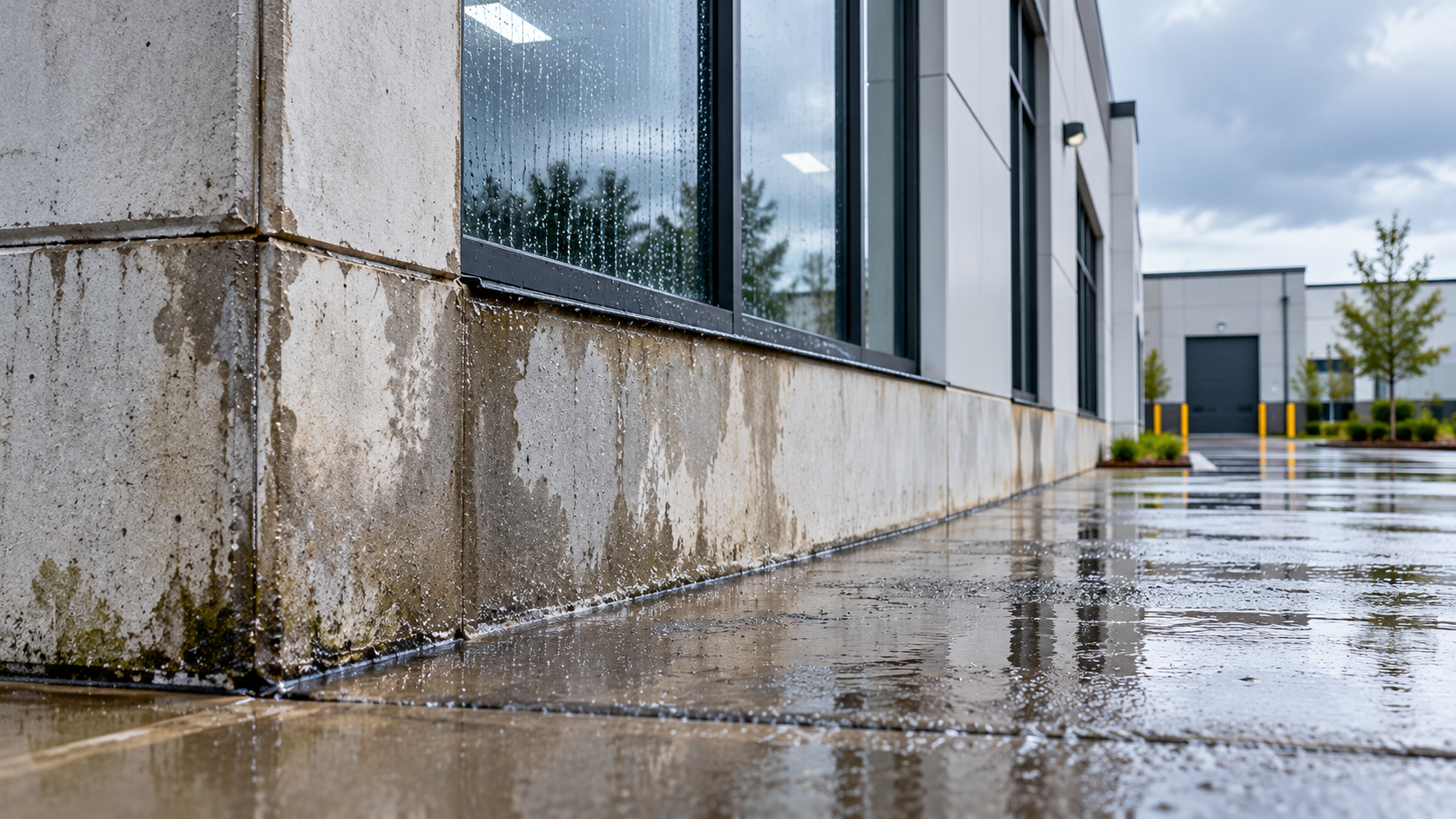
Water Seepage Through Concrete Walls
Concrete is widely used in commercial buildings, but it is not completely waterproof. Water can penetrate through cracks, porous areas, construction joints, and other weaknesses in the concrete. Below-grade walls and exposed concrete structures may be particularly vulnerable when groundwater pressure or prolonged rainfall increases moisture exposure.
Signs of water seepage can include damp patches, discoloration, peeling paint, efflorescence, and recurring moisture along wall surfaces. In some cases, water may enter through cracks that become more noticeable as the building ages or experiences structural movement.
The appropriate solution depends on the source and severity of the problem. Repairs may involve crack treatment, joint sealing, drainage improvements, or a suitable waterproofing system. A professional assessment can help determine whether the issue is related to surface water, groundwater pressure, or a more significant structural concern.
Leaking Windows and Exterior Wall Joints
Windows and exterior wall joints are common points of water entry because they involve transitions between different building materials. Sealants around frames can deteriorate over time, while poorly maintained flashing or improperly sealed joints may allow rainwater to penetrate the building envelope.
Interior water stains near windows, damp drywall, peeling finishes, and moisture around frame edges may indicate a problem. However, water can travel behind exterior materials before becoming visible indoors, making the original entry point difficult to identify.
Resolving these commercial waterproofing problems requires inspecting the window perimeter, surrounding masonry or cladding, sealants, and flashing details. Depending on the findings, repairs may include replacing deteriorated sealant, correcting flashing defects, or addressing damaged exterior components.
Simply applying new sealant over an existing failed joint may not provide a lasting solution if the underlying detail is defective.
Foundation and Basement Moisture
Commercial buildings with basements, underground parking areas, and below-grade storage spaces can experience moisture intrusion from surrounding soil. Hydrostatic pressure, inadequate drainage, cracks, and deteriorated foundation waterproofing can allow water to enter through walls or floor joints.
Warning signs include persistent dampness, water collecting along the floor perimeter, musty odors, efflorescence, and visible seepage after rainfall. These conditions can affect stored materials, interior finishes, and the usability of below-grade spaces.
Effective repairs begin with identifying how water reaches the foundation. Solutions may include improving surface drainage, repairing cracks and joints, restoring exterior waterproofing where accessible, or installing an appropriate drainage system. The correct approach depends on site conditions and the severity of the water intrusion.
Where water entry is persistent or widespread, a more comprehensive investigation may be needed before selecting a repair method.
Deteriorating Sealants and Waterproofing Membranes
Sealants and waterproofing membranes help protect vulnerable areas of commercial buildings from moisture. They are commonly used around joints, transitions, exposed surfaces, and other locations where water could penetrate the building envelope.
Over time, exposure to sunlight, temperature changes, movement, and weather can cause these materials to deteriorate. Cracked sealants, loose membrane edges, blistering, and visible gaps may indicate that a protective system is no longer performing as intended.
The solution may involve localized repairs or replacement of the affected material. However, the condition of the surrounding surface and the compatibility of the replacement system must be considered. Installing a new product over an unsuitable substrate or incompatible existing material can compromise the repair.
Routine inspections can help property managers identify deterioration before it leads to more extensive water intrusion.
Poor Drainage Around Commercial Buildings
Waterproofing systems can struggle when water is allowed to accumulate near a building’s exterior. Blocked drains, improperly directed downspouts, poorly graded ground, and inadequate drainage around foundations can increase moisture exposure and contribute to water entry.
Commercial waterproofing problems caused by drainage deficiencies may appear as damp foundation walls, recurring basement leaks, pooling near entrances, or moisture damage following heavy rainfall.
Addressing these issues may involve clearing blocked drains, redirecting downspouts, correcting surface grading, or improving drainage infrastructure. Waterproofing repairs may also be necessary if prolonged water exposure has damaged existing protective systems.
Property managers should assess drainage conditions alongside the building envelope rather than assuming that every leak requires a new waterproofing coating.
How to Identify Waterproofing Issues Before They Become Serious
Inspect for Visible Moisture Damage
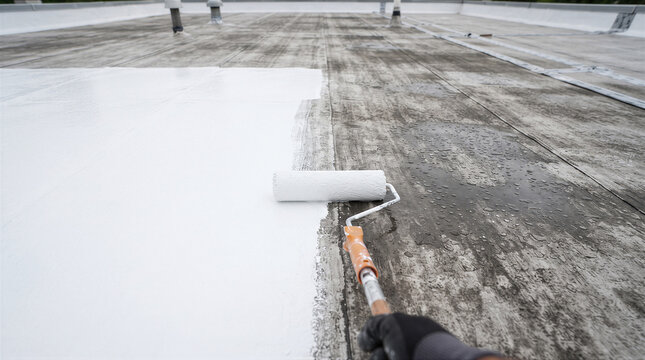
Regular inspections can help identify early signs of water intrusion. Property managers should pay attention to water stains, bubbling or peeling paint, damaged wall finishes, efflorescence, and recurring damp patches. Exterior inspections should also include visible cracks, deteriorated sealants, damaged joints, and areas where water collects near the building.
These signs do not always identify the exact source of a leak, but they can indicate where further investigation is needed. Recording the location and frequency of moisture issues can also help contractors understand whether a problem is recurring or related to particular weather conditions.
Monitor Problems After Rainfall
Some water intrusion issues become apparent only during or after heavy rainfall. Tracking when leaks occur can help distinguish between rainwater entering through exterior walls, water collecting around foundations, and moisture associated with plumbing or mechanical systems.
If a leak appears after rainfall, the surrounding exterior surfaces, drainage routes, windows, joints, and other potential entry points should be assessed. The source may be some distance from the interior area where water becomes visible.
A systematic inspection is more useful than repeatedly repairing the same interior finish without investigating the cause.
Investigate Persistent Musty Odors and Dampness
A musty smell or persistent dampness can indicate a moisture problem even when visible water damage is limited. Hidden moisture may accumulate behind wall finishes, beneath flooring, or within other building assemblies.
Where dampness persists, property managers should investigate the source and assess whether materials have been affected. Depending on the findings, repairs may need to address water entry, drying, damaged materials, and any resulting microbial growth.
Waterproofing work should form part of a broader moisture-control approach when the problem extends beyond the exterior surface.
How to Prevent Commercial Waterproofing Problems
Include Waterproofing in Routine Building Maintenance
Preventive maintenance helps property managers identify developing issues before they cause extensive damage. Exterior walls, sealants, joints, drainage systems, and accessible below-grade areas should be inspected according to the building’s condition and exposure.
Maintenance records can help track recurring leaks, previous repairs, and areas that require closer attention. This information also supports better planning when a waterproofing system needs more extensive restoration.
A proactive approach is particularly valuable for commercial properties where water intrusion could affect tenants, equipment, inventory, or business operations.
Address Building Envelope Defects Promptly
Small cracks, deteriorating sealants, and damaged flashing should not be ignored simply because they have not yet caused visible interior damage. These defects can allow water to enter building assemblies and contribute to deterioration over time.
Repairs should be selected according to the material involved, the source of moisture, and the intended performance of the building envelope. In some cases, localized sealing may be sufficient. In others, the underlying construction detail or waterproofing system may need to be repaired or replaced.
Early investigation can help prevent repeated patchwork repairs that fail to address the original issue.
Choose Appropriate Waterproofing Systems
Different parts of a commercial building have different waterproofing requirements. A foundation wall, an exposed concrete surface, an exterior masonry wall, and a movement joint may require different materials and installation methods.
Selecting a system based on the specific application is essential. Factors such as substrate condition, water exposure, movement, compatibility, and accessibility should be considered before work begins.
An experienced contractor can assess the affected area and recommend an approach suited to the building’s construction and maintenance needs.
Protect Your Commercial Building with Socium Coatings
Water intrusion can affect the condition, appearance, and maintenance requirements of a commercial property. Identifying the source of moisture and selecting an appropriate repair method can help protect building materials and reduce the likelihood of recurring problems.
Socium Coatings provides commercial waterproofing services to help protect commercial properties against water intrusion. If your building is showing signs of moisture damage or needs a waterproofing assessment, contact Socium Coatings to discuss your property’s requirements and request a free estimate.



Leave A Comment