

Painting the interior of a multi-floor municipal facility takes careful planning because the building often needs to remain operational throughout the project. Employees may still be working, residents may be visiting public offices, and certain departments may have strict access or security requirements. That makes interior commercial painting in municipal buildings a coordination-heavy process where scheduling, communication, safety, and sequencing all matter.
City halls, public safety facilities, courthouses, libraries, administrative offices, and other government properties often contain several departments under one roof. Government building painting in these settings requires careful coordination because each floor may operate differently. Interior commercial painting has to be planned around how the building is actually used so crews can complete the work without creating unnecessary disruption.
Planning Interior Commercial Painting Around Daily Operations
Before interior commercial painting begins, the contractor and facility management team need to understand which areas are occupied, when they are busiest, and what restrictions apply.
Some departments may serve the public throughout the day. Others may contain secure offices, records, equipment rooms, or staff-only areas. This information affects how the painting schedule is developed and which areas can be worked on at the same time.
A multi-floor interior commercial painting project is usually easier to manage when the building is divided into clearly defined work zones. Contractors can complete one section while other departments continue operating normally.
Planning may include:
- Identifying floors or departments that can be painted during regular working hours.
- Scheduling public-facing areas during lower-traffic periods.
- Establishing approved routes for workers, equipment, and materials.
- Coordinating temporary access restrictions with facility staff.
- Setting aside secure areas for storing paint, tools, and equipment.
- Confirming which departments require advance notice before work begins.
- Scheduling inspections and touch-ups before crews move to the next section.
This approach gives everyone a clearer understanding of what will happen and when.
Coordinating Painting Across Multiple Floors
Large municipal buildings rarely have identical conditions on every floor. One level may contain private offices, while another includes meeting rooms, public counters, conference spaces, or shared corridors.
Interior commercial painting crews need to account for these differences when organizing the sequence of work. Painting an entire floor at once may not be practical if certain departments cannot temporarily relocate or close.
Instead, crews may work through smaller sections. A hallway might be completed first, followed by offices, conference rooms, and common areas. In other cases, one department may be finished completely before work moves elsewhere.
This type of scheduling allows interior painting to continue steadily while limiting interference with municipal operations.
Managing Public Access and Work Zones
Public buildings require additional attention to pedestrian flow. Visitors may need access to elevators, stairwells, service counters, restrooms, and meeting areas while painting is underway.
Interior commercial painting work zones should be clearly separated from occupied spaces whenever possible. Temporary barriers, signage, controlled access points, and planned equipment placement can help keep active work areas organized.
Corridors and stairwells often require especially careful scheduling because they serve as main travel routes through the building. Interior commercial painting in these locations may need to occur in sections so occupants still have safe access to other floors.
Facility managers may also request that higher-traffic areas be completed during evenings, weekends, or other periods when fewer people are in the building.
Preparing Interior Surfaces Before Painting
Preparation can take a significant amount of time in older municipal facilities. Walls and trim may have years of wear, previous repairs, damaged coatings, scuff marks, or holes left behind by signs and mounted equipment.
Proper preparation helps interior commercial painting produce a cleaner and more consistent result. Depending on the condition of the building, preparation may include cleaning walls, repairing minor damage, filling holes, sanding rough areas, caulking gaps, or applying primer where needed.
Protecting Floors, Fixtures, and Occupied Areas
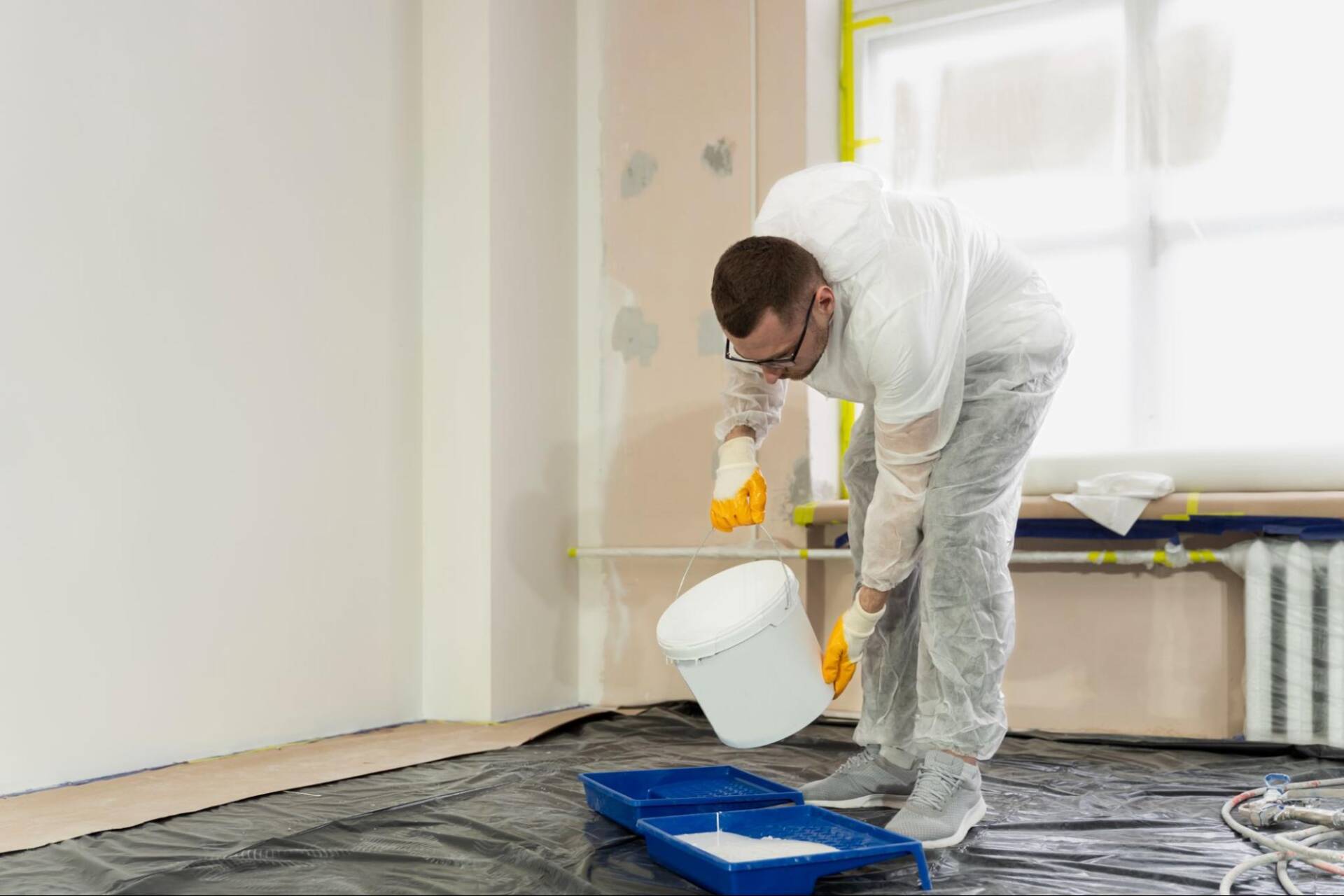
Crews also need to protect nearby flooring, furniture, fixtures, doors, and equipment before painting begins. In active government buildings, interior commercial painting preparation should be organized so surrounding work areas remain clean, accessible, and usable while the project moves forward.
Keeping Colors and Finishes Consistent Between Floors
Municipal facilities are often updated in stages over many years. One floor may have been painted recently, while another may still have coatings that were applied much earlier.
A coordinated interior commercial painting project gives facility managers an opportunity to establish a more consistent appearance throughout the building.
Before application begins, colors, sheen levels, coating types, and surface specifications should be documented. This helps crews use the same standards as they move between floors.
Consistency matters in connecting spaces such as hallways, stairwells, lobbies, reception areas, and shared offices. Interior commercial painting crews should also track product selections carefully so later phases match previously completed areas.
Choosing Coatings for Busy Municipal Spaces
Different parts of a municipal building experience different levels of use. A private office may see relatively light traffic, while a public hallway or service counter may be used continuously throughout the week.
Interior commercial painting specifications should reflect those conditions.
Higher-traffic areas may benefit from coatings that are easier to clean and better suited to repeated contact. Conference rooms, administrative spaces, common areas, and service corridors may each require different products based on how the surfaces are used.
The goal is to choose coatings that support the facility’s maintenance needs while maintaining a consistent appearance throughout the property.
Interior commercial painting contractors should also follow any project specifications related to approved products, surface preparation, ventilation, and application requirements.
Coordinating With Facility Managers and Department Leaders
Communication is one of the most important parts of a multi-floor project. Facility managers often serve as the main point of contact, but department heads, maintenance personnel, security staff, and building administrators may also need regular updates.
Interior commercial painting schedules can change when meetings are added, public events are scheduled, or departments need continued access to certain areas.
Regular communication allows crews to adjust without creating unnecessary delays. It also gives facility staff enough time to prepare offices, move sensitive materials, or notify employees before work enters a new section.
For large municipal facilities, interior commercial painting is easier to manage when everyone knows which areas are active, which spaces have been completed, and what work is scheduled next.
Completing Each Phase and Reviewing the Work
As each section is finished, it should be reviewed before the crew moves too far ahead.
This allows facility representatives and contractors to identify touch-ups, missed areas, or finish inconsistencies while equipment is still nearby. Addressing those details immediately can make the final closeout process more efficient.
Interior commercial painting inspections may cover walls, trim, doors, corridors, common spaces, and other surfaces included in the project scope.
Once one floor or department is approved, crews can move into the next scheduled work zone. This phased review process helps maintain consistent standards throughout a large building.
Choose Socium Coatings: Your Trusted Interior Commercial Painting Company
Municipal buildings require contractors who understand scheduling, access coordination, surface preparation, safety requirements, and the challenges of working inside active facilities. Socium Coatings provides interior commercial painting services for government and municipal properties throughout Georgia.
Whether the project involves administrative offices, public areas, corridors, meeting spaces, or several floors within the same facility, Socium Coatings can coordinate the work around building operations and project requirements.
Contact Socium Coatings to discuss an upcoming interior commercial painting project in Georgia.


Leave A Comment