
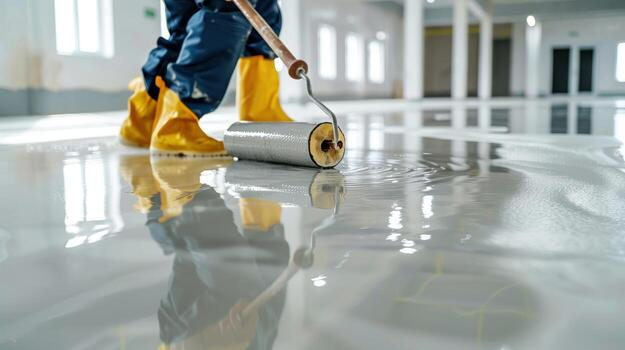
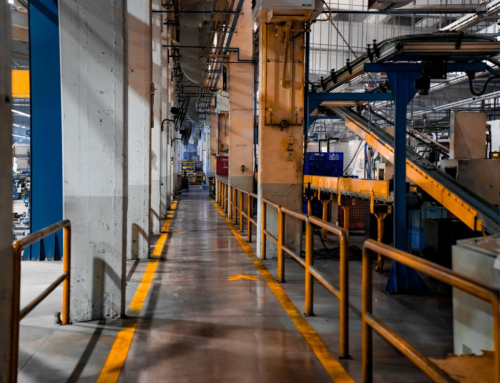
Industrial floors don’t get the luxury of being “just okay.” They take constant abuse (heavy machinery, chemical spills, foot traffic that never seems to stop), and still need to perform like day one. That’s where the decision between epoxy and polyurethane becomes less about preference and more about performance strategy.
Choosing the right system for industrial floor coatings can mean the difference between a floor that lasts years and one that starts failing before the next audit cycle.
Understanding the Demands of Industrial Environments
Before comparing materials, it’s worth calling out the obvious: not all industrial floors are dealing with the same stress. A food processing plant has very different demands than a warehouse or manufacturing facility. Temperature fluctuations, chemical exposure, impact resistance, and cleaning frequency all influence which industrial floor coating system will actually hold up.
This is where many facilities go wrong; they choose based on cost or popularity instead of environment. And then they’re surprised when the coating fails prematurely.
What Makes Epoxy a Popular Choice?
Strong Adhesion and Durability
Epoxy has earned its reputation as a go-to option for industrial floor coatings because of its exceptional bonding strength. It adheres tightly to concrete, creating a rigid, durable surface that can withstand heavy loads and consistent traffic.
This makes it especially effective in environments where forklifts, pallets, and machinery are constantly in motion. When applied correctly, epoxy creates a seamless finish that resists cracking under pressure.
Chemical Resistance That Holds Up
In facilities where spills are part of daily operations, epoxy performs well against oils, solvents, and mild chemicals. That’s why it’s commonly used in manufacturing plants and storage facilities where surface protection is non-negotiable.
However, epoxy isn’t invincible. Prolonged exposure to harsh chemicals or extreme conditions can wear it down over time, which is why understanding the limits of industrial floor coatings is critical.
Where Epoxy Falls Short
Epoxy’s biggest weakness is its rigidity. It doesn’t handle thermal expansion well, which means in environments with temperature swings, it can crack or delaminate. It’s also sensitive to UV exposure, which can lead to discoloration or degradation in areas exposed to sunlight.
So while epoxy dominates in controlled indoor settings, it’s not always the best long-term solution for every facility using industrial floor coatings.
Why Polyurethane Is Gaining Ground
Flexibility That Absorbs Impact
Polyurethane coatings bring something epoxy doesn’t: flexibility. Instead of forming a rigid layer, polyurethane has a slight elasticity that allows it to absorb impact and adapt to movement.
This makes it ideal for facilities where floors experience vibration, thermal cycling, or heavy mechanical stress. In these conditions, polyurethane-based industrial floor coatings are less likely to crack or fail.
Superior Resistance to Temperature and UV
Unlike epoxy, polyurethane performs exceptionally well in industrial environments with temperature extremes. It can handle both high heat and freezing conditions without losing its integrity.
Add UV resistance into the mix, and suddenly, polyurethane becomes the smarter choice for facilities with outdoor exposure or large open spaces with natural light. This is where many modern industrial floor coating systems are shifting toward polyurethane as a top layer.
Better Abrasion Resistance Over Time
Polyurethane coatings tend to outperform epoxy when it comes to long-term wear. They resist scratches, scuffs, and surface damage more effectively, making them ideal for high-traffic zones where appearance and performance both matter.
That said, polyurethane isn’t typically used alone. In many cases, it’s layered over epoxy to create a hybrid system, combining the adhesion of epoxy with the flexibility of polyurethane for more advanced industrial floor coatings solutions.
Epoxy vs. Polyurethane: Which One Actually Works Better?
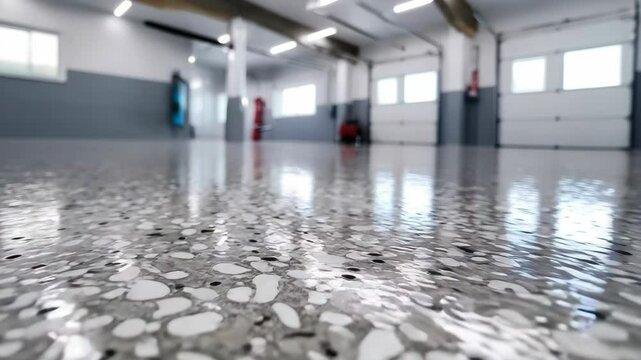
Here’s the truth: there’s no universal winner. The better system depends entirely on how your facility operates.
Epoxy is often the stronger choice for heavy-duty indoor environments where chemical resistance and compressive strength are the priority. It’s reliable, cost-effective, and proven in controlled settings.
Polyurethane, on the other hand, is the smarter investment for environments that deal with temperature changes, UV exposure, or constant movement. It offers a level of adaptability that traditional industrial floor coating systems didn’t prioritize in the past, but absolutely should now.
In many modern facilities, the real answer isn’t choosing one over the other. It’s using both strategically.
The Case for Hybrid Systems
High-performance facilities are increasingly turning to layered systems that combine epoxy and polyurethane. The epoxy base provides strong adhesion to the concrete substrate, while the polyurethane topcoat adds flexibility, UV resistance, and durability.
This approach creates a more balanced solution, addressing multiple stress factors at once. Instead of forcing one material to do everything, hybrid industrial floor coating systems distribute the workload more effectively.
And yes, they cost more upfront. But they also last longer, require fewer repairs, and reduce downtime, so the math usually works out in your favor.
Choosing the Right System for Your Facility
If there’s one takeaway here, it’s this: guessing is expensive. Choosing the wrong industrial floor coatings system leads to repairs, operational disruptions, and safety risks that no facility wants to deal with.
The right approach starts with evaluating your environment honestly. Look at traffic levels, exposure conditions, maintenance routines, and long-term operational goals. Then match those realities with a system designed to handle them, not just survive them.
Because at the end of the day, your floor isn’t just a surface. It’s part of your operation.
Choose Socium Coatings for Your Industrial Floor Coating Needs
At Socium Coatings, we deliver tailored solutions built around the realities of your facility, not generic systems that fail under pressure. From initial surface prep to final application, every step is engineered for maximum adhesion, longevity, and resistance to wear, chemicals, and impact.
Connect with Socium Coatings today to schedule a consultation and get a coating solution designed to perform as hard as your operation does.





Leave A Comment