

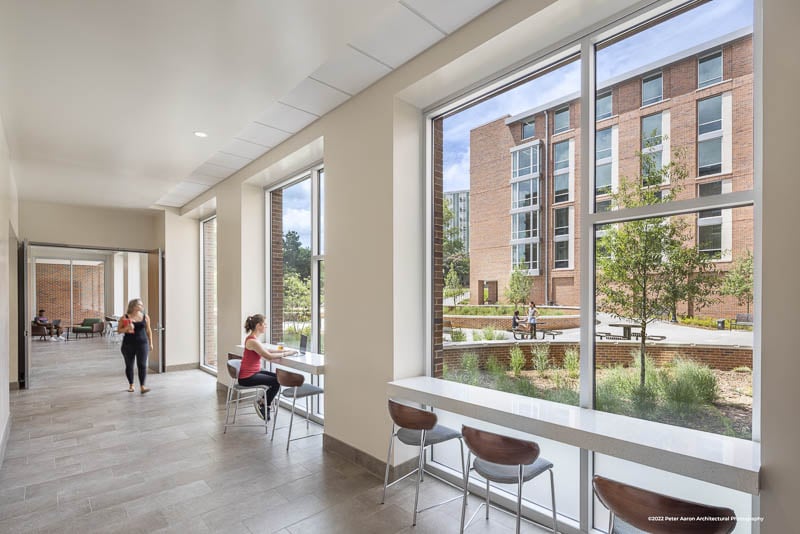
Educational institutions need interior spaces that look professional, support learning, and withstand daily use. From busy university hallways and lecture rooms to libraries, laboratories, and student common areas, each space presents unique challenges for facility managers and property teams.
Choosing the right colors, paint finishes, and application methods can help maintain attractive interiors while reducing ongoing maintenance requirements. With the right approach to interior painting for educational institutions, colleges and universities can create functional, welcoming environments that stand up to years of activity.
Why Interior Painting Matters in Educational Institutions
The appearance and condition of interior spaces influence how students, faculty, staff, and visitors experience a campus. Scuffed walls, peeling paint, and faded finishes can make otherwise well-maintained facilities appear neglected. A professional paint job helps refresh these spaces while protecting interior surfaces from everyday wear.
Universities also operate across a wide range of environments, each with different performance requirements. Classrooms need finishes that withstand frequent use, while administrative offices may require a more refined appearance. Libraries and student lounges benefit from comfortable, visually cohesive interiors that support concentration and collaboration.
Investing in professional interior painting allows educational institutions to maintain consistent standards across their facilities while accommodating the practical demands of campus operations.
Balancing Durability and Design in Campus Interiors
Selecting paint for an educational facility involves more than choosing colors that complement the building’s architecture. The right solution balances visual appeal, surface performance, ease of maintenance, and the intended use of each room.
Choosing Durable Paint Finishes for High-Traffic Areas
Hallways, stairwells, entrances, and student common areas experience constant movement throughout the academic year. Walls in these spaces are particularly susceptible to scuffs, scratches, fingerprints, and other signs of wear.
Durable, washable paint finishes can make routine cleaning easier and help maintain a consistent appearance between repainting projects. The appropriate finish depends on the substrate, expected traffic, lighting conditions, and cleaning requirements. Proper surface preparation and product selection are equally important for achieving a finish that lasts.
For facility managers, prioritizing durability in high-traffic areas can help reduce premature deterioration and avoid unnecessary maintenance interruptions.
Selecting Colors That Support Learning Environments
Color plays an important role in establishing the atmosphere of classrooms, libraries, lecture halls, and collaborative spaces. Neutral shades can create a clean, versatile backdrop, while carefully selected accent colors can add visual interest and help distinguish different areas of a campus.
The best color palette depends on the institution’s identity, architectural features, available natural light, and the purpose of each space. Classrooms may benefit from balanced, understated colors that keep the environment visually comfortable, while student lounges and shared spaces can incorporate more expressive design choices.
A coordinated color scheme across campus buildings also creates a more consistent appearance and reinforces the institution’s overall visual identity.
Interior Painting Considerations for Different Educational Spaces
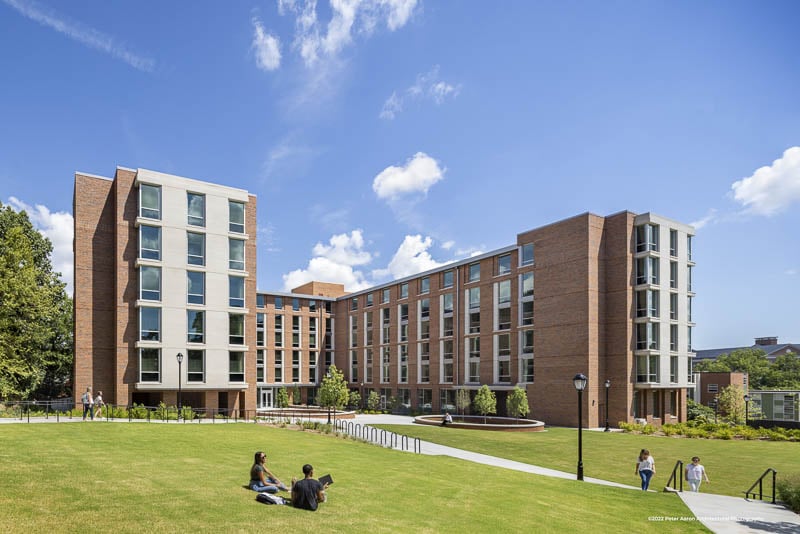
Not every area of a college or university should be painted using the same products or design approach. Understanding how each space functions helps facility managers make informed decisions about materials, finishes, and project requirements.
Classrooms, Lecture Halls, and Academic Buildings
Classrooms and lecture halls must accommodate daily instruction, furniture movement, and frequent occupancy. Paint finishes should be selected with durability, cleanability, and the condition of the existing walls in mind.
Larger lecture spaces may also require careful color planning to maintain visual consistency across expansive walls and architectural features. Thorough preparation helps ensure an even finish, particularly when repairing damaged surfaces or covering existing colors.
Libraries, Offices, and Administrative Spaces
Libraries and administrative offices often require a more understated aesthetic. Soft neutrals and coordinated color palettes can create a professional atmosphere while complementing shelving, furniture, signage, and architectural details.
These spaces may experience less physical contact than busy corridors, but their appearance remains important to the overall campus experience. Selecting appropriate finishes helps maintain clean, polished interiors without sacrificing practical performance.
Student Housing and Shared Facilities
Dormitories, residence halls, dining areas, and student lounges experience substantial daily use. Shared facilities, in particular, may require frequent cleaning and periodic repainting to maintain acceptable conditions throughout the academic year.
Durable finishes and consistent surface preparation help these spaces remain presentable despite repeated use. In student housing, coordinated colors can also create a welcoming atmosphere that feels comfortable and cohesive rather than institutional.
The Importance of Surface Preparation and Professional Application
Even high-quality paint cannot compensate for poorly prepared surfaces. Cracks, peeling paint, damaged drywall, stains, and uneven patches can undermine the appearance and longevity of a finished project.
Professional preparation may include cleaning, scraping loose coatings, repairing imperfections, sanding, and applying an appropriate primer. The specific process depends on the existing surface and the condition of the substrate. Applying compatible products using suitable techniques helps promote adhesion and a uniform appearance.
Attention to detail is particularly important in educational buildings, where large surface areas, varied lighting conditions, and interconnected spaces can make inconsistencies more noticeable. A carefully executed project delivers a more polished result and supports the long-term performance of the coating system.
Planning Painting Projects Around the Academic Calendar
Educational institutions cannot always pause daily operations to accommodate renovations. Painting projects must often be coordinated around classes, examinations, student move-in periods, events, and other campus activities.
Summer breaks and other academic recesses can provide opportunities to complete larger projects with fewer disruptions. However, successful scheduling requires early planning, coordination with facility teams, and realistic timelines for preparation, application, drying, and curing.
For buildings that remain occupied throughout the year, phased scheduling may allow work to proceed in designated areas while other spaces remain operational. Clear communication, appropriate work-area controls, and attention to applicable safety requirements help support an orderly project.
Working with an experienced commercial coatings contractor can make it easier to coordinate these requirements and maintain progress across multiple campus locations.
Maintaining Attractive, Durable Campus Interiors
Interior painting should be considered part of a broader facility maintenance strategy rather than an occasional cosmetic upgrade. Regular inspections can help identify scuffed walls, peeling coatings, moisture-related damage, and other issues before they require more extensive repairs.
Keeping records of paint colors, products, and completed projects can also simplify future maintenance and help maintain consistency across buildings. Facility managers can prioritize areas based on condition, usage, and operational importance instead of repainting every space on the same schedule.
By combining appropriate materials, thoughtful design, professional application, and planned maintenance, educational institutions can preserve attractive interiors while making practical use of their facility budgets.
Choose Socium Coatings for Higher Education Interior Painting
Creating campus interiors that balance visual appeal with long-term performance requires careful planning, appropriate coating selections, and quality workmanship. Socium Coatings works with educational institutions to address the demands of higher education environments, where durability, coordination, and attention to detail matter.
Contact Socium Coatings today to discuss your educational facility’s painting requirements and plan an interior coating project that supports your campus for years to come.





Leave A Comment