

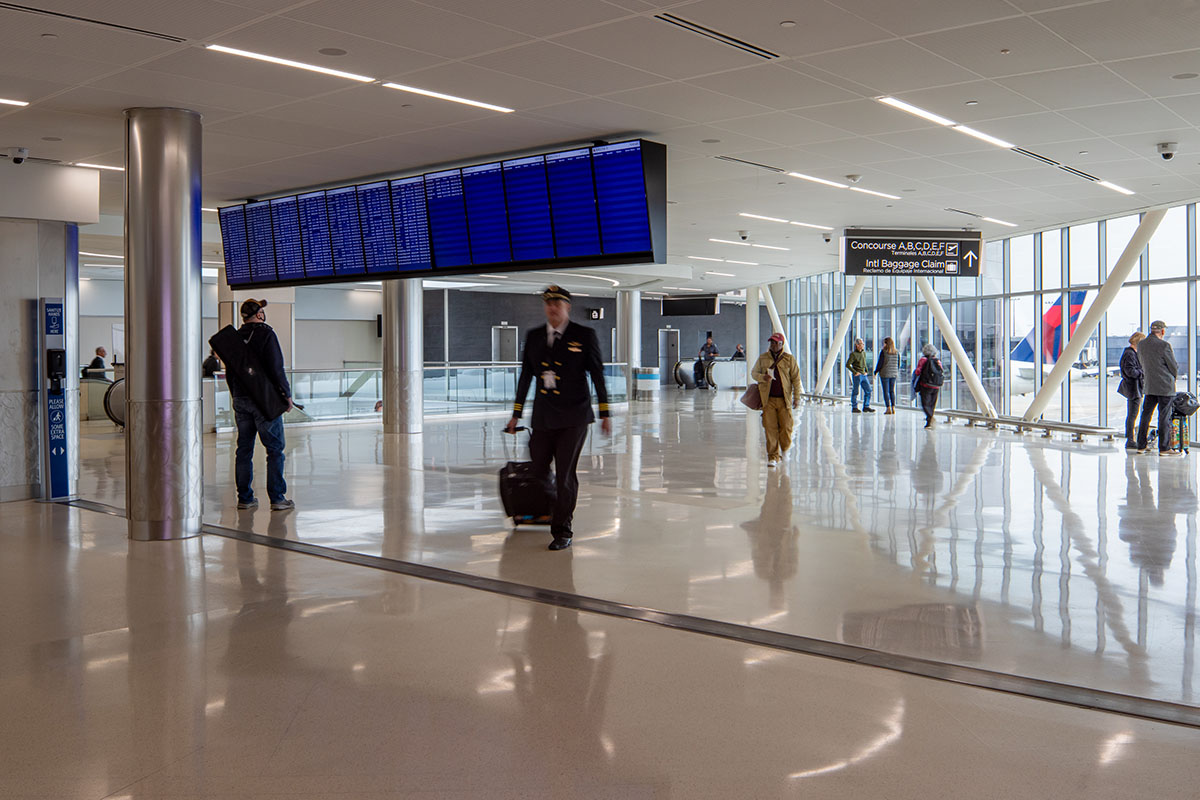
Airport facilities operate under demanding conditions. From passenger terminals and baggage handling areas to maintenance hangars and ground support zones, airport floors must withstand constant foot traffic, wheeled equipment, moisture, and routine cleaning. When floor surfaces become slippery, they can increase the risk of slips and falls for employees, passengers, and contractors.
Choosing the right anti-slip floor coatings for airport facilities requires more than selecting a textured finish. Facility managers must consider the location, expected traffic, potential contaminants, cleaning procedures, and performance requirements of each space. The right coating system can help improve traction while supporting durability, maintainability, and the daily operation of an airport.
Why Anti-Slip Floor Coatings Matter in Airport Facilities
Airports contain a wide range of environments, each with different flooring demands. Passenger areas need to accommodate continuous pedestrian movement, while maintenance and service areas may experience equipment traffic, spills, and exposure to oils or other substances.
A floor that performs well in one area may not be suitable for another. Selecting anti-slip floor coatings for airport facilities therefore starts with understanding how each space is used and the conditions the floor encounters.
Reducing Slip Risks in High-Traffic Areas
Passenger concourses, terminal entrances, corridors, and circulation areas experience frequent movement throughout the day. Rainwater tracked in from outside, spilled beverages, and routine cleaning can introduce moisture that changes the traction available underfoot.
An appropriately specified anti-slip coating can help improve surface traction under expected operating conditions. However, coating selection should account for the contaminants likely to be present, because a surface that performs well when dry may behave differently when wet or contaminated.
Supporting Airport Employees and Ground Operations
Airport employees work in spaces where safe movement is essential to daily operations. Baggage handling zones, service corridors, equipment rooms, and maintenance facilities may involve workers moving carts, tools, parts, and other equipment across the floor.
In these settings, floor performance must support both pedestrian movement and the activities taking place on the surface. Coatings should be selected based on the expected traffic, cleaning practices, and operational conditions rather than texture alone.
Where Airport Facilities May Need Anti-Slip Coatings
Not every airport floor requires the same level of slip resistance. Assessing each area individually helps facility managers identify where additional traction may be beneficial and which coating characteristics matter most.
Terminal Entrances and Passenger Circulation Areas
Entrances are particularly exposed to rainwater, tracked-in moisture, and changes in temperature. These conditions can make flooring more difficult to maintain safely, especially during periods of heavy passenger movement.
Coating decisions for public-facing areas should balance traction with cleanability, appearance, accessibility, and the comfort of people walking across the surface. Excessively rough finishes can create additional cleaning challenges, so the surface profile needs to suit the environment.
Aircraft Maintenance Hangars
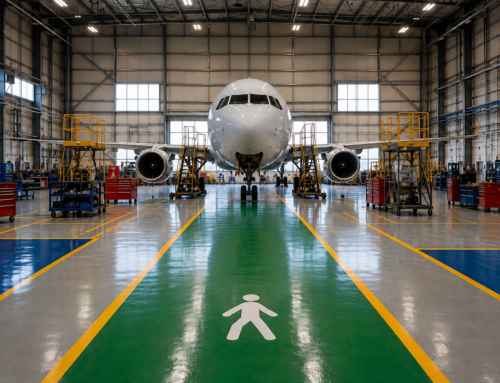
Hangar floors may be exposed to vehicle traffic, equipment movement, maintenance activities, and occasional fluid contamination. The coating system must be suitable for the underlying concrete and the conditions expected during normal operations.
In these areas, facility managers should consider abrasion resistance, chemical compatibility, ease of cleaning, and slip resistance together. A coating that provides traction but cannot withstand the site’s operating conditions may require frequent repairs or replacement.
Service Corridors and Ground Support Areas
Service corridors and ground support spaces often prioritize practical performance over decorative appearance. Staff may move supplies, carts, and equipment through these areas while carrying out essential airport operations.
Anti-slip floor coatings should be assessed against the types of traffic and contaminants present in each location. Clear pedestrian routes and appropriate floor markings can also support safer movement when coordinated with the facility’s broader safety procedures.
What to Consider When Selecting Anti-Slip Floor Coatings
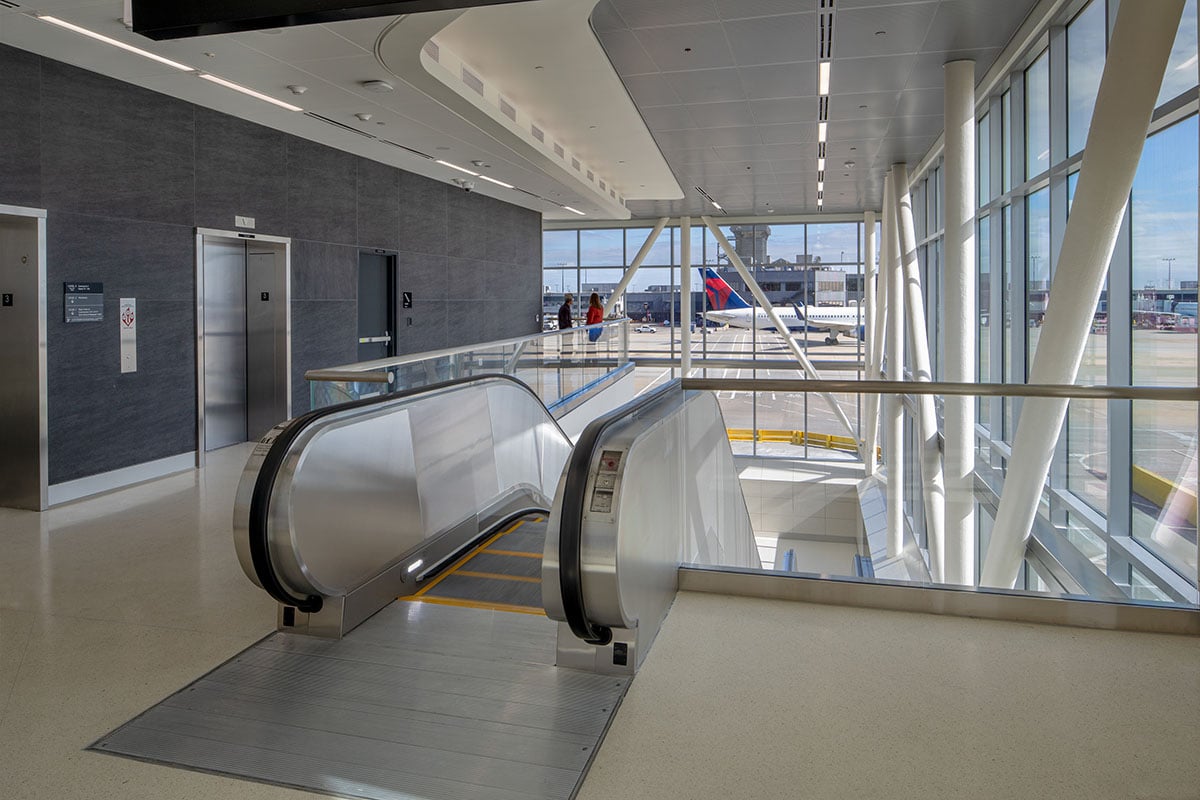
Choosing anti-slip floor coatings for airport facilities involves evaluating several factors together. The most suitable system depends on the substrate, the operating environment, the required traction, and the facility’s maintenance capabilities.
Slip Resistance Under Actual Operating Conditions
Slip resistance should be evaluated under conditions that reflect how the floor will be used. Relevant considerations may include dry and wet conditions, likely contaminants, footwear, cleaning methods, and the movement of wheeled equipment.
Facility managers should consult applicable safety requirements and request appropriate performance information from coating manufacturers or qualified flooring professionals. A generic claim that a coating is slip-resistant is not enough to establish that it is suitable for a particular airport area.
Durability Under Pedestrian and Equipment Traffic
Airport floors may experience continuous pedestrian movement, rolling loads, and contact with maintenance equipment. The coating must be able to withstand these demands without excessive wear, surface deterioration, or loss of its intended texture.
The expected traffic should inform the selection of the coating system and its installation requirements. Areas exposed to heavier loads or more aggressive use may require a different specification from passenger corridors or administrative spaces.
Moisture and Chemical Exposure
The source and type of contamination matter when selecting a coating. Water tracked into a terminal creates different conditions from oils, cleaning agents, or maintenance fluids encountered in an operational hangar.
Coating materials should be compatible with the substances they may encounter and with the cleaning products used to maintain the floor. Where chemical exposure is possible, compatibility should be confirmed against the manufacturer’s technical documentation.
Cleaning and Long-Term Maintenance
A textured floor can help provide traction, but its profile also affects how easily dirt and contaminants can be removed. If the surface is too difficult to clean, residue may accumulate and compromise both hygiene and floor performance.
The goal is to select a finish that balances traction with practical maintenance. Facility teams should understand the recommended cleaning methods, inspection frequency, and procedures for addressing worn or damaged areas before choosing a system.
The Importance of Surface Preparation and Installation
Even a well-selected coating can perform poorly if the substrate is not properly prepared or the product is applied under unsuitable conditions. Surface preparation and installation quality are essential to achieving the intended performance of anti-slip floor coatings for airport facilities.
Assessing the Existing Concrete
Before application, the existing floor should be assessed for cracks, contamination, previous coatings, moisture concerns, and other conditions that could affect adhesion. The preparation method should be appropriate for the substrate and the selected coating system.
Oil, grease, loose material, and incompatible existing finishes may prevent the new coating from bonding correctly. Addressing these issues before application helps reduce the risk of premature peeling, delamination, or other coating failures.
Applying the Correct Texture and Coating System
Anti-slip performance depends on more than simply adding texture to a floor. The coating formulation, aggregate or texture additive, application method, and finished surface profile all influence the result.
The selected system should follow the manufacturer’s specifications and any project-specific performance requirements. Consistent application is important because uneven texture or inconsistent coverage can produce areas that perform differently across the same floor.
Allowing Adequate Curing Time
Newly applied coatings need sufficient time to cure before they are exposed to traffic or cleaning. The required period depends on the product, environmental conditions, substrate, and intended use.
Opening an area too early can damage the coating and compromise its performance. Facility managers should coordinate curing periods with airport operations and confirm when the floor can safely return to service.
Maintaining Anti-Slip Floors in Active Airports
Regular inspection and appropriate maintenance help preserve the performance of coated floors. Airport facilities should have a process for identifying wear, contamination, damage, and changes in surface traction before these issues become more significant.
Inspecting for Wear and Surface Damage
High-traffic routes and areas exposed to equipment movement may experience more wear than surrounding surfaces. Facility teams should look for peeling, cracking, worn texture, impact damage, and areas where the coating has become difficult to clean.
Any maintenance response should consider the cause of the deterioration. Simply applying another coat over a damaged or contaminated surface may not resolve the underlying problem.
Using Suitable Cleaning Procedures
Cleaning methods should be compatible with the coating and its textured finish. The wrong cleaning products or equipment may damage the surface, leave residue, or reduce the effectiveness of the intended texture.
Facilities should follow the coating manufacturer’s maintenance guidance and address spills promptly using established site procedures. Keeping floors clean is important, but cleaning practices must also preserve the coating’s performance.
Planning Repairs Around Airport Operations
Airport facilities often need to remain operational while maintenance takes place. Repair schedules may need to account for passenger movement, restricted-access zones, equipment routes, and the time required for the coating to cure.
Phased work can help limit disruption by allowing specific areas to be isolated and returned to service in a planned sequence. Clear coordination among facility managers, contractors, and operational teams helps ensure that maintenance work is completed safely and efficiently.
Partner with Socium Coatings for Airport Coating Projects
At Socium Coatings, we support aviation facilities with coating and painting solutions suited to demanding airport environments. Our aviation experience includes work in airport common areas, lounges, cargo buildings, and other operational spaces where careful planning and coordination matter. We understand the importance of selecting appropriate systems and organizing work around facility requirements.
Contact our team to discuss your airport facility coating project and how we can help support your operational needs.




Leave A Comment