
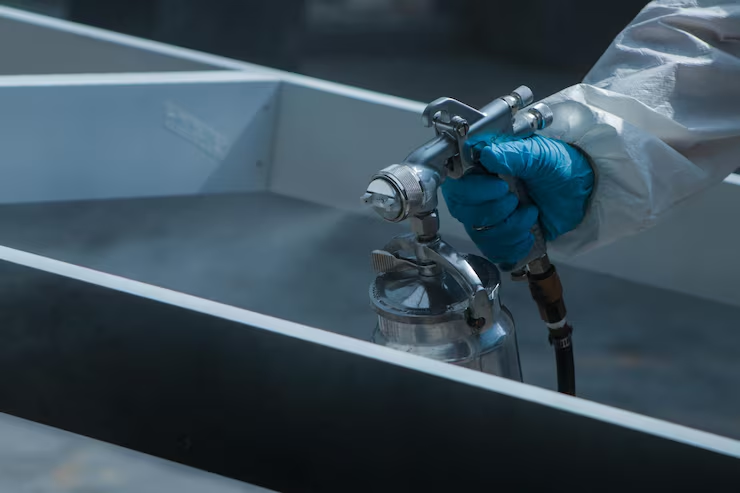
Industrial buildings are constantly exposed to conditions that accelerate deterioration. Harsh weather, chemical exposure, moisture intrusion, UV radiation, and daily operational wear can all contribute to the gradual breakdown of structural surfaces. Over time, these factors can compromise both the appearance and performance of a facility, leading to costly repairs and unexpected maintenance challenges. This is why industrial protective coatings have become an essential part of long-term facility management.
Designed to create a durable barrier between building materials and damaging environmental conditions, industrial protective coatings help industrial property owners preserve critical assets, improve performance, and extend the lifespan of their facilities.
Why Industrial Buildings Require Long-Term Surface Protection
Industrial facilities operate in environments that place significant stress on building components. Steel structures can corrode when exposed to moisture and oxygen. Concrete surfaces may crack or deteriorate due to chemical exposure, freeze-thaw cycles, or heavy equipment traffic. Exterior building envelopes must withstand years of sunlight, precipitation, and fluctuating temperatures.
Without adequate protection, these conditions gradually weaken surfaces and increase maintenance requirements. The purpose of industrial protective coatings is not simply to improve appearance but to provide a protective layer that helps preserve structural integrity and prevent premature deterioration. By reducing exposure to harmful elements, these coating systems allow industrial buildings to remain functional and efficient for much longer periods.
Understanding How Industrial Protective Coatings Work
Creating a Barrier Against Environmental Damage
At their core, industrial protective coatings are engineered to shield surfaces from external threats. Once applied, they form a protective film that prevents moisture, chemicals, and contaminants from directly contacting the underlying substrate. This barrier helps slow the deterioration process and protects materials from the factors most likely to cause damage.
Depending on the specific coating system selected, additional performance benefits may include resistance to corrosion, abrasion, ultraviolet radiation, and temperature fluctuations. These specialized properties make protective coatings an effective solution for demanding industrial environments.
Preserving Structural Integrity
The longevity of an industrial facility depends heavily on the condition of its structural components. Steel supports, concrete walls, storage tanks, and process equipment all represent major investments that require ongoing protection. By minimizing exposure to corrosive and destructive elements, industrial protective coatings help maintain the strength and reliability of these assets while reducing the risk of expensive repairs or replacements.
Common Types of Industrial Protective Coatings
Epoxy Coatings for Heavy-Duty Protection
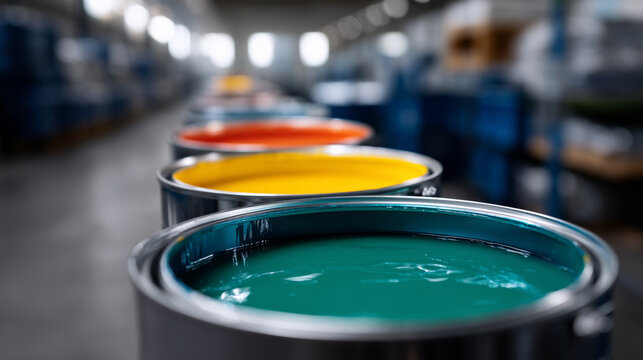
Epoxy systems are among the most widely used industrial protective coatings because of their exceptional durability and strong adhesion. They create a hard, resilient surface capable of withstanding heavy traffic, mechanical wear, and chemical exposure. Industrial facilities frequently rely on epoxy coatings to protect concrete floors, manufacturing areas, warehouses, and structural steel.
In environments where durability is a primary concern, epoxy coatings provide reliable long-term protection while helping facilities maintain safe and functional surfaces.
Polyurethane Coatings for Exterior Durability
Polyurethane coatings are often selected for areas exposed to sunlight and changing weather conditions. Their ability to resist UV degradation allows them to maintain their appearance and performance over extended periods.
Many industrial facilities use polyurethane as a topcoat within a complete coating system. In addition to protecting surfaces from weather-related damage, these coatings help retain color and finish quality while adding another layer of defense against environmental exposure.
Zinc-Rich Coatings for Corrosion Control
Corrosion is one of the greatest threats to steel infrastructure. Zinc-rich coatings provide an effective solution by offering sacrificial protection that helps prevent rust from developing on steel surfaces.
These industrial protective coatings are commonly used on structural steel, industrial frameworks, and facilities located in coastal or high-humidity environments where corrosion risks are elevated. Their ability to extend the service life of steel components makes them a valuable part of many industrial maintenance programs.
Elastomeric Coatings for Moisture Protection
Elastomeric coatings are designed to provide flexibility and waterproofing performance. Unlike rigid coating systems, they can expand and contract as building materials move due to temperature changes.
This flexibility helps prevent cracking while creating a seamless barrier against water intrusion. As a result, elastomeric coatings are frequently used on exterior walls, roofing systems, and concrete surfaces where moisture protection is a top priority.
The Connection Between Corrosion Prevention and Building Longevity
Protecting Metal Surfaces From Deterioration
Corrosion often develops gradually but can have serious consequences if left unchecked. Once rust begins to spread across steel surfaces, it weakens structural components and increases maintenance costs. Preventing corrosion before it starts is significantly more cost-effective than addressing the damage after it occurs.
Properly specified industrial protective coatings isolate metal surfaces from moisture and corrosive contaminants, reducing the conditions that allow corrosion to develop. This protective barrier plays a critical role in preserving the lifespan of industrial assets.
Reducing Maintenance and Repair Costs
Maintenance budgets can quickly increase when facilities experience ongoing corrosion issues, surface deterioration, or premature material failure. Protective coating systems help minimize these concerns by reducing the frequency and severity of maintenance requirements.
Over the life of a building, investing in high-quality industrial protective coatings often results in substantial cost savings by preventing major repairs and extending the replacement cycle of critical infrastructure.
Benefits Beyond Surface Protection
Improved Operational Reliability
Industrial facilities depend on reliable infrastructure to support daily operations. When building components deteriorate unexpectedly, production schedules can be disrupted, and costly downtime may occur. Protective coating systems help reduce these risks by preserving the condition of essential assets and supporting consistent operational performance.
Enhanced Safety Conditions
A well-maintained facility contributes to a safer work environment. Surfaces that remain structurally sound and protected from deterioration are less likely to create hazards for employees, contractors, and visitors. By helping maintain the integrity of floors, walls, and structural elements, industrial protective coatings support safer facility conditions.
Long-Term Asset Preservation
Industrial buildings represent substantial financial investments. Extending the useful life of these assets is a priority for facility owners seeking to maximize return on investment. Protective coatings provide one of the most effective ways to preserve infrastructure, maintain building value, and avoid premature replacement costs.
The Importance of Proper Surface Preparation
Performance Starts Before the Coating Is Applied
Even the most advanced coating system can fail if it is applied to a poorly prepared surface. Surface contaminants, moisture, rust, and deteriorated materials can interfere with adhesion and reduce overall performance.
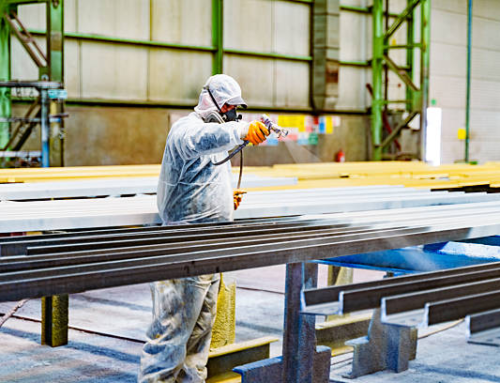
Successful coating projects begin with thorough preparation, including cleaning, repairing damaged areas, removing contaminants, and creating the appropriate surface profile. This process ensures that industrial protective coatings bond properly and deliver the durability they are designed to provide.
Maximizing the Life of the Coating System
Proper preparation not only improves adhesion but also maximizes the service life of the coating itself. Facilities that invest in quality preparation and professional application typically experience better performance, fewer failures, and longer maintenance intervals.
Choose Socium Coatings for High-Quality Industrial Protective Coatings
Protecting your industrial facility starts with choosing the right coating partner. At Socium Coatings, we provide high-quality industrial protective coating solutions designed to help businesses safeguard their assets, minimize maintenance costs, and extend the lifespan of critical infrastructure. Whether you need corrosion protection, chemical resistance, or long-lasting surface durability, our experienced team can recommend and apply the right coating system for your specific environment.
Contact us today to learn how our industrial protective coatings can help keep your facility protected and performing at its best for years to come.




Leave A Comment