
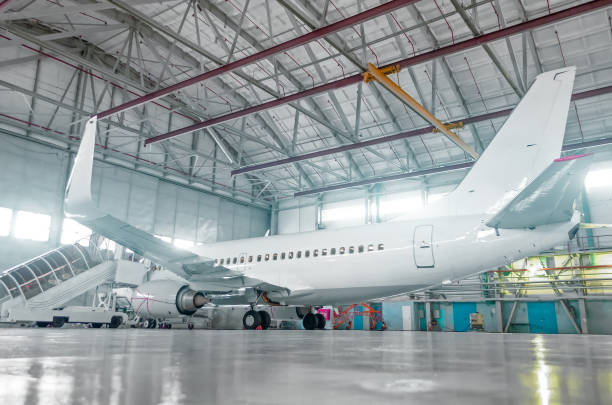
Airport terminals are among the most demanding commercial environments in the world. Millions of travelers pass through these facilities each year, creating constant wear on floors, walls, ceilings, and structural surfaces. At the same time, airports must maintain a clean, professional appearance that reflects safety, efficiency, and modern design standards. This unique combination of durability and aesthetics makes aviation surface coatings a critical component of airport maintenance and infrastructure management.
From passenger terminals and baggage claim areas to maintenance facilities and boarding gates, aviation surface coatings must withstand continuous traffic, environmental exposure, and strict operational requirements. Choosing the right coating systems can significantly impact longevity, maintenance costs, and overall passenger experience.
Why Airport Terminals Present Unique Coating Challenges
Unlike many commercial buildings, airports operate around the clock. This nonstop activity places extraordinary stress on coated surfaces.
High volumes of foot traffic, rolling luggage, cleaning equipment, and maintenance vehicles create ongoing abrasion that can quickly degrade inferior coating systems. In addition, airport operators must maintain a polished appearance despite constant use.
Modern aviation surface coatings are specifically engineered to address these conditions by providing enhanced durability, resistance to wear, and long-term visual appeal.
The Impact of Continuous Passenger Traffic
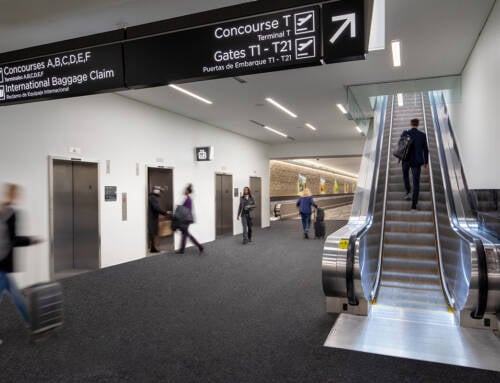
Every day, thousands of travelers move through terminal corridors, security checkpoints, waiting areas, and boarding gates. These heavily traveled zones experience repetitive friction that can cause surface deterioration over time.
High-performance aviation surface coatings help protect floors, walls, and structural elements from scuffing, scratching, and premature wear while maintaining a clean, professional appearance.
Balancing Durability and Aesthetics
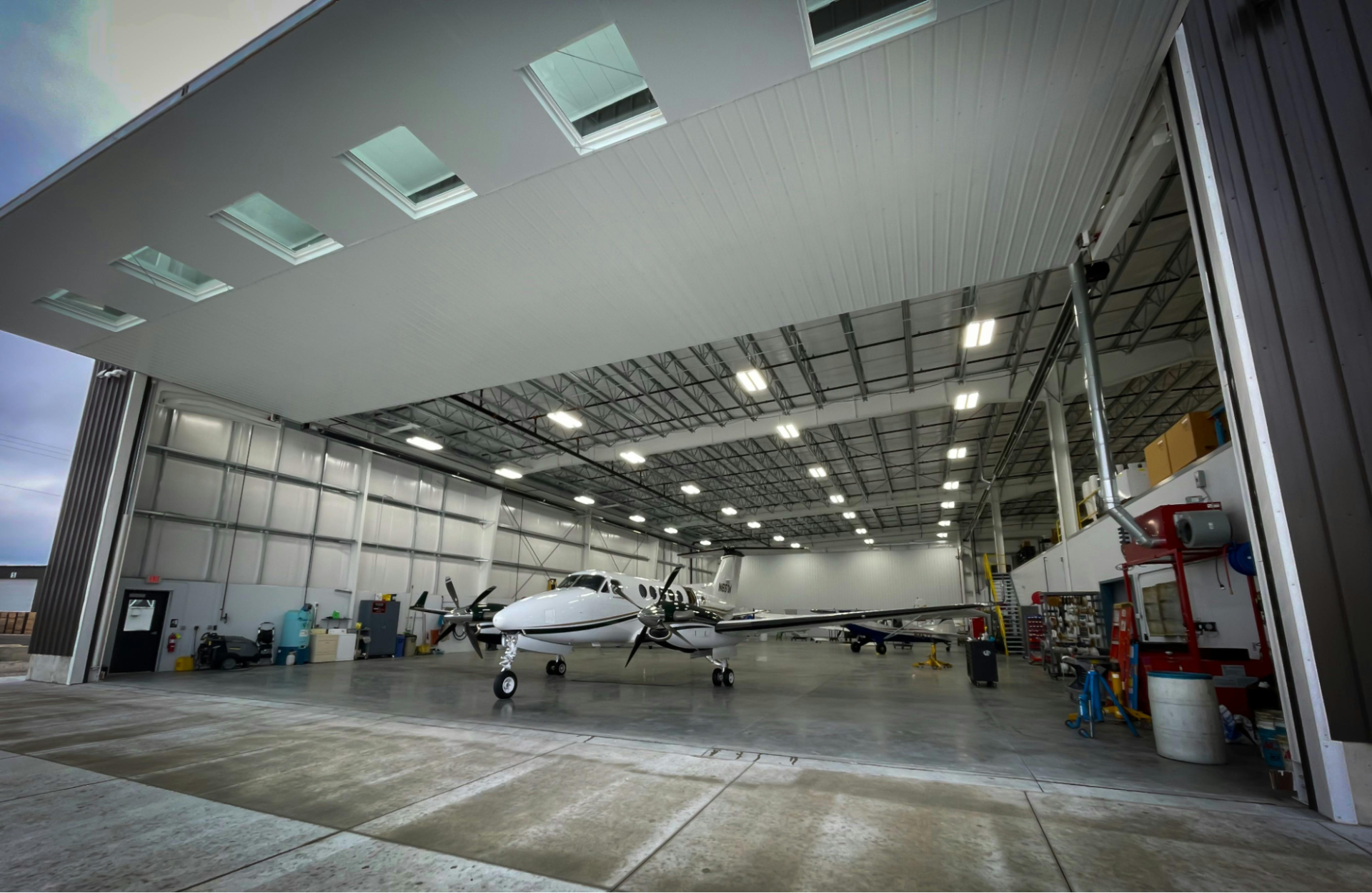
Airport terminals serve both operational and public-facing functions. While durability is essential, appearance remains equally important.
Travelers often form impressions of an airport within minutes of arrival. Faded, damaged, or poorly maintained surfaces can negatively affect perceptions of cleanliness and professionalism.
Maintaining Visual Consistency Across Large Spaces
Modern terminals often feature expansive open areas, large windows, decorative architectural elements, and branded design schemes. Maintaining visual consistency across these surfaces can be challenging when exposure conditions vary throughout the facility.
Quality aviation surface coatings provide color stability, uniform finishes, and long-lasting performance that support the overall design objectives of airport management teams.
Addressing Frequent Cleaning Requirements
Airport surfaces are cleaned repeatedly throughout the day to maintain hygiene and appearance standards. Harsh cleaning chemicals and aggressive maintenance routines can gradually damage conventional coatings.
Specialized aviation surface coatings are formulated to withstand frequent cleaning while preserving their appearance and protective qualities.
Environmental Factors That Affect Airport Coatings
Airport terminals are exposed to a variety of environmental conditions that can accelerate coating deterioration.
Areas near entrances experience constant temperature fluctuations as exterior air enters the building. Large glass facades can increase UV exposure, while baggage handling zones may encounter moisture, chemicals, and mechanical impacts.
UV Exposure and Color Retention
Natural sunlight can cause fading and discoloration in certain coating systems. This issue is particularly noticeable in terminals with extensive glass architecture.
Advanced aviation surface coatings are designed with UV-resistant technologies that help preserve color consistency and finish quality even in brightly lit environments.
Moisture and Chemical Resistance
Spills, cleaning agents, de-icing materials, and other contaminants can compromise surface integrity if coatings lack sufficient protection.
Selecting aviation surface coatings with strong chemical and moisture resistance helps airport operators minimize maintenance needs and extend service life.
Operational Constraints During Coating Projects
Applying coatings in active airport environments presents logistical challenges that are rarely encountered in traditional commercial buildings.
Terminal operations cannot simply stop for maintenance projects. Passenger safety, security protocols, airline schedules, and facility accessibility must all be considered when planning coating work.
Minimizing Downtime
Coating projects often need to be completed during overnight hours or scheduled maintenance windows. Fast-curing systems are frequently selected to reduce disruptions and return areas to service quickly.
Many aviation surface coatings are specifically formulated to achieve rapid cure times without sacrificing long-term performance.
Meeting Safety and Regulatory Standards
Airport environments are governed by strict safety regulations. Coating materials must comply with requirements related to slip resistance, fire safety, indoor air quality, and environmental performance.
Professional coating contractors understand how to select aviation surface coatings that meet these demanding standards while delivering reliable protection.
The Importance of Long-Term Asset Protection
Airport infrastructure represents a significant financial investment. Protecting that investment requires more than routine cleaning and repairs.
Well-designed coating systems serve as a protective barrier against physical wear, environmental exposure, and operational stress. When properly specified and maintained, aviation surface coatings can significantly extend the lifespan of terminal surfaces and reduce lifecycle maintenance costs.
Supporting Sustainable Facility Management
Many airports are pursuing sustainability initiatives that focus on reducing resource consumption and extending asset life. Durable coating systems contribute to these goals by minimizing the frequency of repainting, repairs, and material replacement.
Modern aviation surface coatings often incorporate advanced technologies that support both performance and sustainability objectives.
Choose Socium Coatings for Advanced Aviation Coatings
At Socium Coatings, we deliver advanced aviation coating solutions engineered for high-traffic, high-visibility facilities, helping airport operators protect critical assets while maintaining a professional, welcoming environment. Whether you’re upgrading terminal surfaces, improving long-term maintenance performance, or planning a large-scale infrastructure project, our team provides the technical expertise and high-performance systems needed to meet the unique demands of modern aviation facilities.
Contact us today to discuss a customized solution for your airport coating requirements.




Leave A Comment