
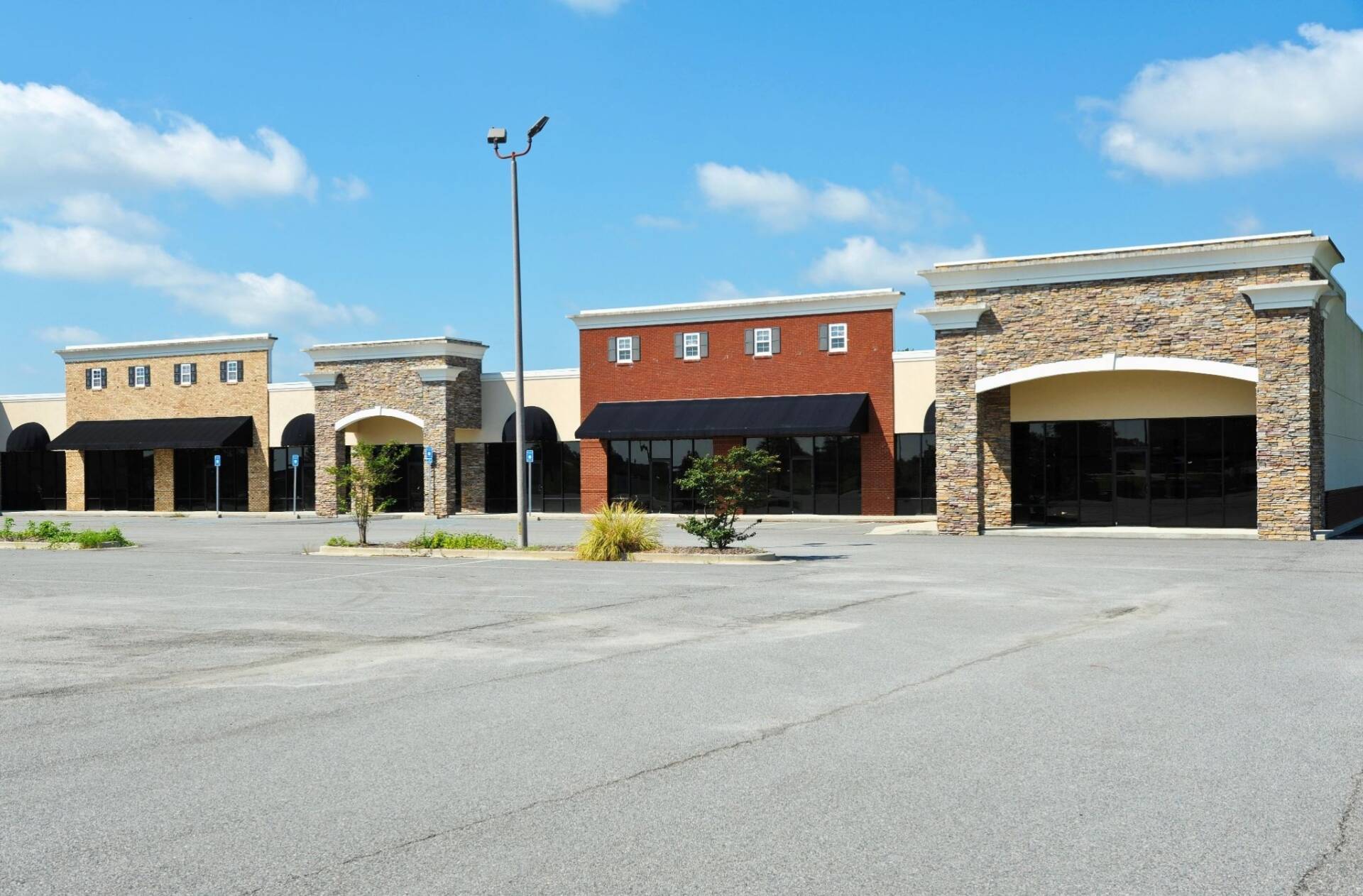
Managing large scale painting projects across multiple facilities is a complex undertaking that requires far more than scheduling painters and selecting paint colors. Whether an organization oversees office buildings, industrial facilities, educational campuses, healthcare properties, or retail locations, every project must be coordinated carefully to minimize disruptions while maintaining consistent quality.
Successful large scale painting projects rely on detailed planning, clear communication, and experienced project management. When each facility has different operating hours, building conditions, and occupancy requirements, a structured approach ensures every location receives the same level of attention without affecting day-to-day operations.
Why Large Scale Painting Projects Require Strategic Coordination
Unlike a single-building renovation, large scale painting projects involve multiple moving parts. Different facilities often have unique maintenance schedules, varying surface conditions, and separate decision-makers. Without proper coordination, delays at one site can quickly impact the overall timeline.
Professional project managers begin by assessing every facility individually while developing a unified plan for the entire portfolio. This allows contractors to anticipate challenges before work begins and maintain consistency from the first location to the final walkthrough.
Careful planning also helps organizations budget effectively, allocate resources efficiently, and reduce unexpected downtime throughout the project.
Creating a Unified Project Plan
Every successful large scale painting project initiative begins with a comprehensive project roadmap. Before the first surface is prepared, timelines, material requirements, staffing levels, and site priorities should all be clearly established.
Evaluating Each Facility Individually
Although multiple properties may fall under the same ownership, no two buildings are exactly alike. Some facilities may require extensive surface preparation, while others only need cosmetic improvements.
Evaluating each location independently helps determine the scope of work, identify repairs, estimate labor requirements, and develop realistic completion schedules.
Establishing Project Priorities
Not every facility carries the same operational importance. High-traffic buildings, customer-facing locations, or production facilities may need to be completed before lower-priority properties.
Prioritizing facilities ensures resources are deployed efficiently while reducing interruptions to critical business operations.
Maintaining Consistent Quality Across Every Location

One of the biggest challenges in large scale painting projects is delivering the same finish quality regardless of which crew completes the work.
Consistency requires standardized processes, approved color specifications, detailed surface preparation guidelines, and regular quality inspections throughout the project.
Standardized Materials and Color Matching
Using consistent paint products and approved color palettes ensures every facility maintains a unified brand appearance. Accurate color matching becomes especially important for organizations with multiple public-facing locations where branding consistency influences customer perception.
Maintaining detailed product records also simplifies future maintenance and repainting efforts.
Routine Quality Inspections
Regular inspections allow project managers to verify workmanship before crews move to the next location. Addressing minor concerns immediately prevents larger issues from developing later and keeps large scale painting projects progressing according to schedule.
Coordinating Around Daily Operations
Most facilities cannot simply close while painting work is completed. Schools continue teaching, offices remain occupied, warehouses operate around the clock, and healthcare facilities must remain accessible.
Successful large scale painting projects are designed around each facility’s operating schedule rather than forcing operations to adapt to the project.
Scheduling During Low-Activity Periods
Painting may be scheduled during evenings, weekends, seasonal shutdowns, or planned maintenance windows to reduce disruptions. Flexible scheduling allows work to progress efficiently while minimizing inconvenience for employees, customers, and visitors.
Clear Communication With Stakeholders
Facility managers, maintenance teams, department leaders, and contractors all play important roles during multi-site projects. Regular updates regarding schedules, completed work, upcoming phases, and potential adjustments help prevent confusion throughout the project lifecycle.
Open communication also allows organizations to respond quickly if operational needs change unexpectedly.
Managing Resources Efficiently
Proper resource allocation is essential for completing large scale painting projects on time and within budget. Materials, equipment, and skilled crews must be available at the right locations without unnecessary delays.
Coordinated logistics reduce idle time and help maintain productivity across multiple job sites simultaneously.
Experienced contractors often stagger crews between facilities so completed locations transition smoothly into the next phase while new sites begin preparation work.
Addressing Site-Specific Challenges
Even with careful planning, unexpected conditions can arise. Water damage, deteriorated substrates, weather-related delays, or previously hidden repairs may require adjustments to the original schedule.
The most successful large scale painting projects incorporate contingency planning from the beginning. Flexible scheduling, realistic timelines, and proactive communication allow project managers to resolve issues without compromising the overall project.
Having experienced supervisors oversee multiple sites also helps maintain momentum when unforeseen challenges occur.
Long-Term Benefits of Professional Multi-Facility Painting
Well-coordinated large scale painting projects deliver value beyond refreshed aesthetics. Consistent maintenance protects building materials, extends the life of exterior and interior surfaces, and creates a professional environment for employees and visitors alike.
Organizations also benefit from simplified future maintenance because standardized products, documented color selections, and organized project records make future touch-ups significantly easier.
Perhaps most importantly, a coordinated approach minimizes operational disruptions while ensuring every facility reflects the same high standards of quality and professionalism.
Partner With Socium Coatings for Seamless Large Scale Painting Projects
Coordinating painting work across multiple locations requires experience, precision, and a team that understands the demands of complex commercial environments. Socium Coatings specializes in large scale painting projects, delivering consistent quality, efficient scheduling, and clear communication from planning through completion. Whether managing industrial facilities, distribution centers, manufacturing plants, or commercial properties, our team works to minimize operational disruptions while keeping every project on schedule.
Contact us today to discuss your upcoming multi-site painting project and discover how a coordinated approach can deliver lasting results across every facility.




Leave A Comment